

@Plasma 's Settlement Infrastructure: How Sub-Second Finality Changes Stablecoin Economics
#Plasma is not attempting to replace Ethereum or compete with general-purpose Layer 1s. Plasma is doing something more specific and more important: building the first blockchain where stablecoins settle like actual money.
That precision matters. Most chains treat stablecoins as just another token—subject to the same congestion, the same unpredictable fees, the same multi-block settlement uncertainty that makes institutional adoption impossible. Plasma reverses this. Every design choice, from PlasmaBFT consensus to gasless USDT transfers, exists to make stablecoin settlement fast, cheap, predictable, and final.
The result is infrastructure where USDT behaves like dollars should: moving instantly, settling with certainty, and costing nearly nothing.
The Settlement Problem No One Talks About
When you send USDT on Ethereum, you're not just paying gas fees. You're accepting uncertainty.
The transaction appears in a block. But is it final? Validators could reorg. MEV bots could extract value. Network congestion could spike fees mid-transaction. Institutions call this "settlement risk"—the gap between initiating a transfer and knowing with certainty it cannot be reversed.
Traditional finance eliminated most settlement risk through centralized clearing houses. Crypto promised to eliminate it through decentralization. Most blockchains delivered neither—just different tradeoffs between speed, cost, and finality.
Plasma solves all three simultaneously.
PlasmaBFT, Plasma's consensus mechanism, achieves sub-second finality. When a transaction is confirmed, it is final. No waiting for block depth. No probabilistic settlement.
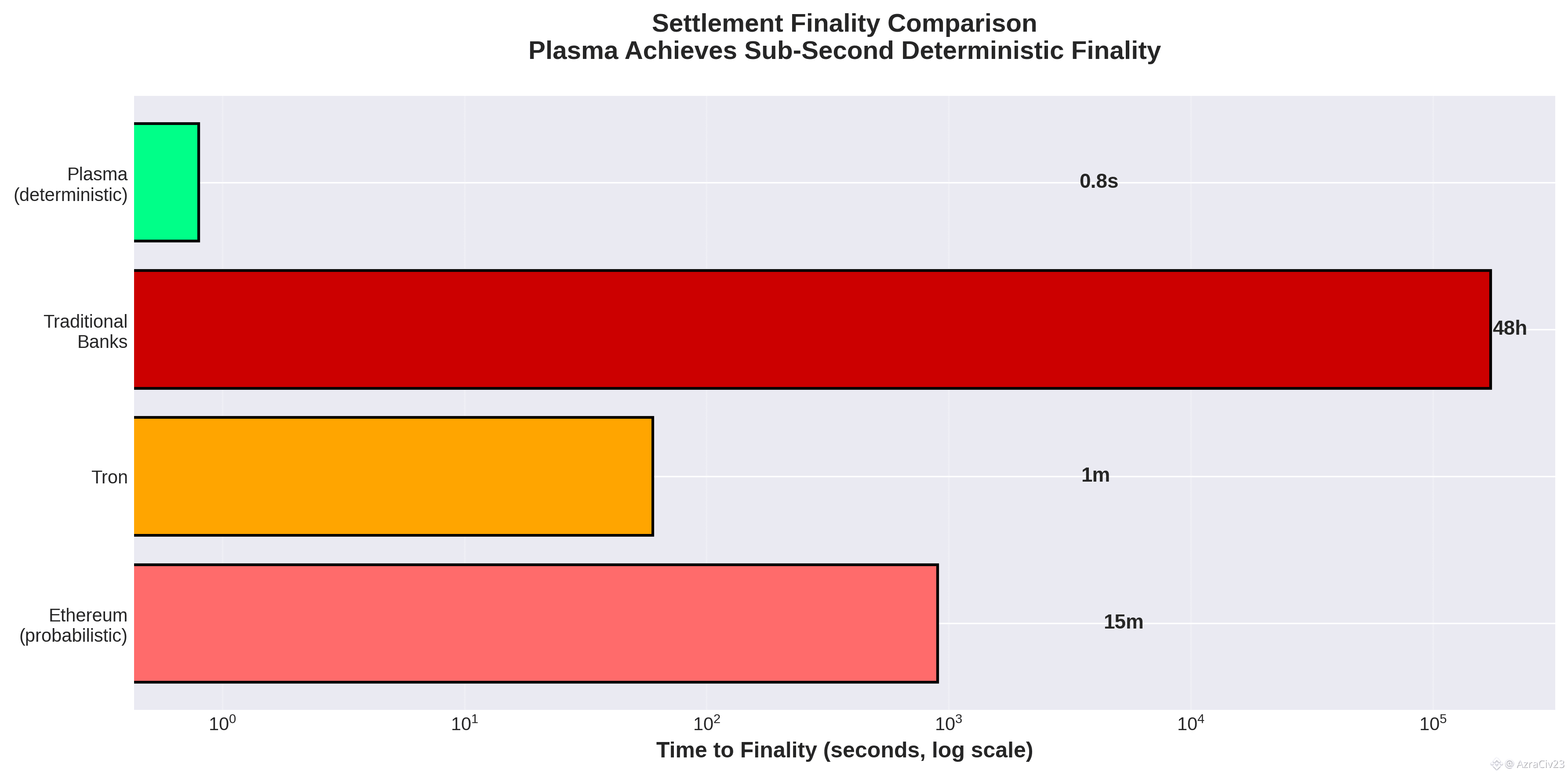
This changes risk models completely. Institutions can trade, lend, and settle with the certainty they expect from traditional rails—without the delays, intermediaries, or opacity.
The Cost Structure That Institutions Actually Need
Ethereum's gas model makes sense for a general-purpose compute layer. It does not make sense for stablecoin settlement.
A $1,000 USDT transfer and a complex DeFi transaction are fundamentally different operations. One moves value. The other executes logic. Charging both the same variable gas fee creates economic inefficiency.
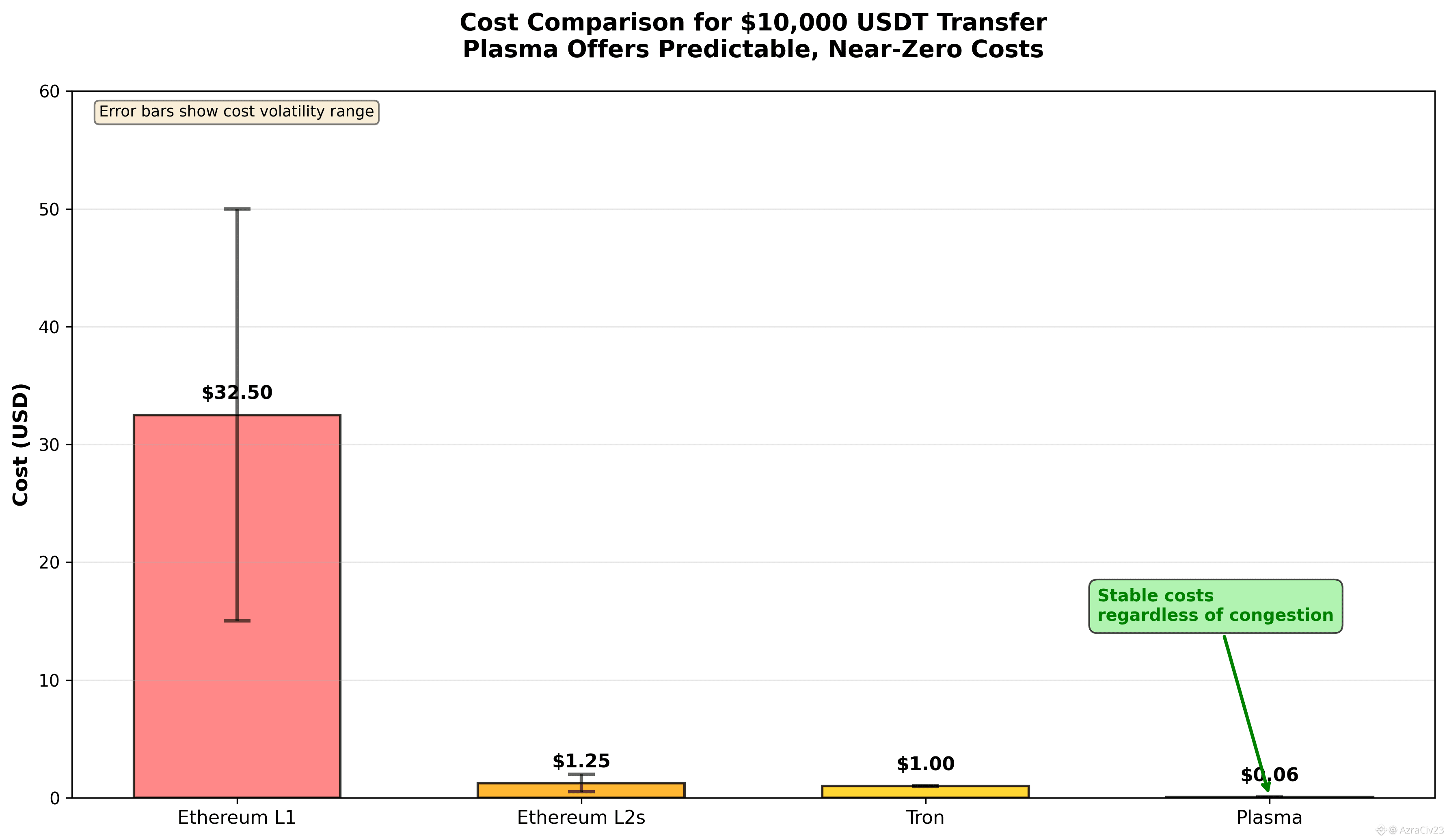
Plasma introduces stablecoin-first gas: transactions paid in USDT rather than requiring users to hold and manage a separate native token. For an institution moving $50 million in stablecoins, this eliminates a major operational friction point. Treasury teams don't need to forecast volatile token holdings for gas. They pay directly from the stablecoin balance being transferred.
Even better: Plasma enables gasless USDT transfers for specific use cases. When settlement speed and finality matter more than complex execution, Plasma removes the gas layer entirely. The economic model optimizes for what stablecoins actually do—move value—rather than forcing them into a gas system designed for computation.
Bitcoin-Anchored Security Without Bitcoin's Limitations
Plasma's security model does something unusual: it anchors to Bitcoin's security without inheriting Bitcoin's speed or cost limitations.
This matters because Bitcoin represents the most neutral, censorship-resistant settlement layer in existence. By anchoring Plasma's state to Bitcoin, the network gains Bitcoin's security guarantees while maintaining EVM compatibility and sub-second finality.
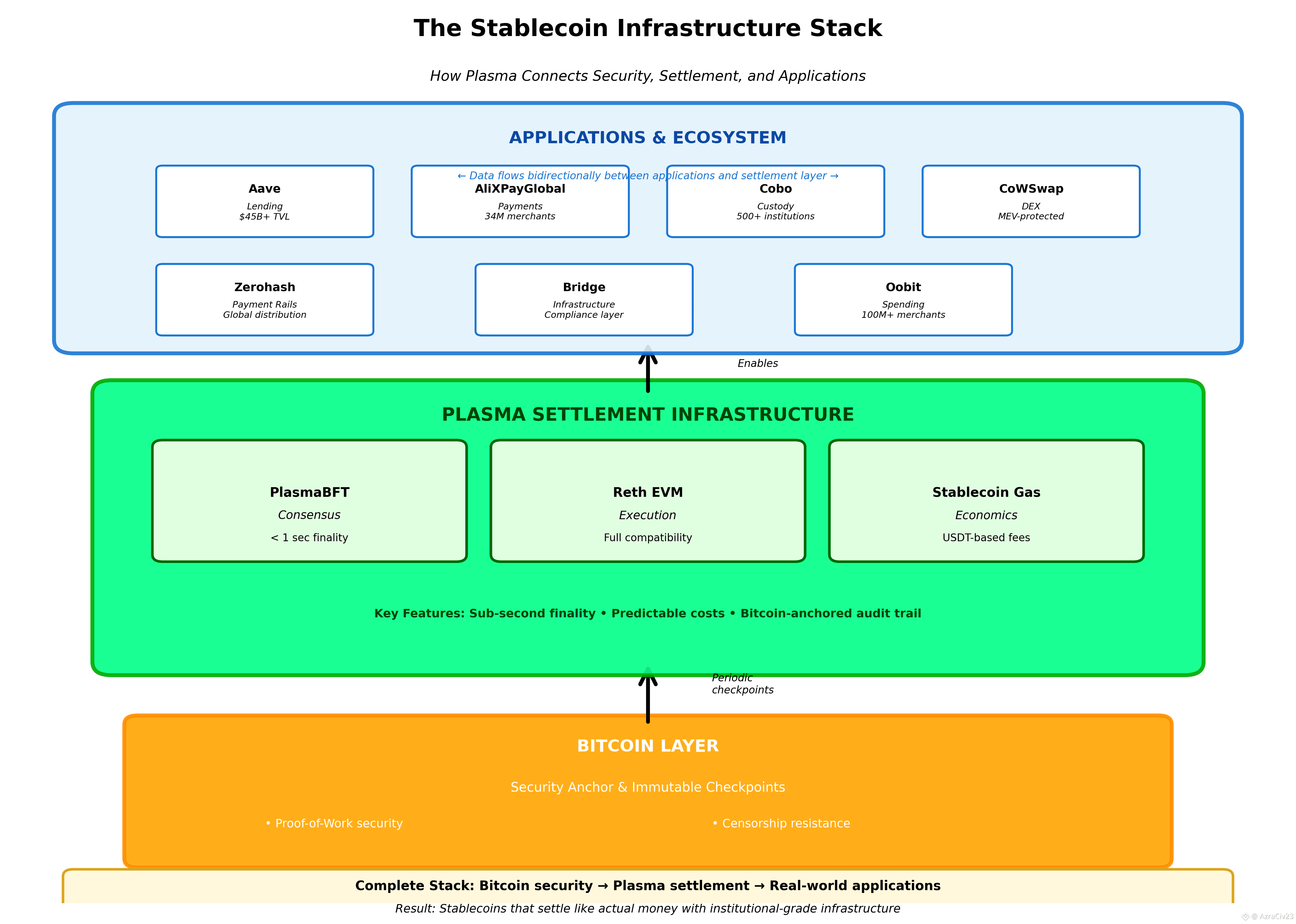
The mechanism works through periodic state commitments to Bitcoin.
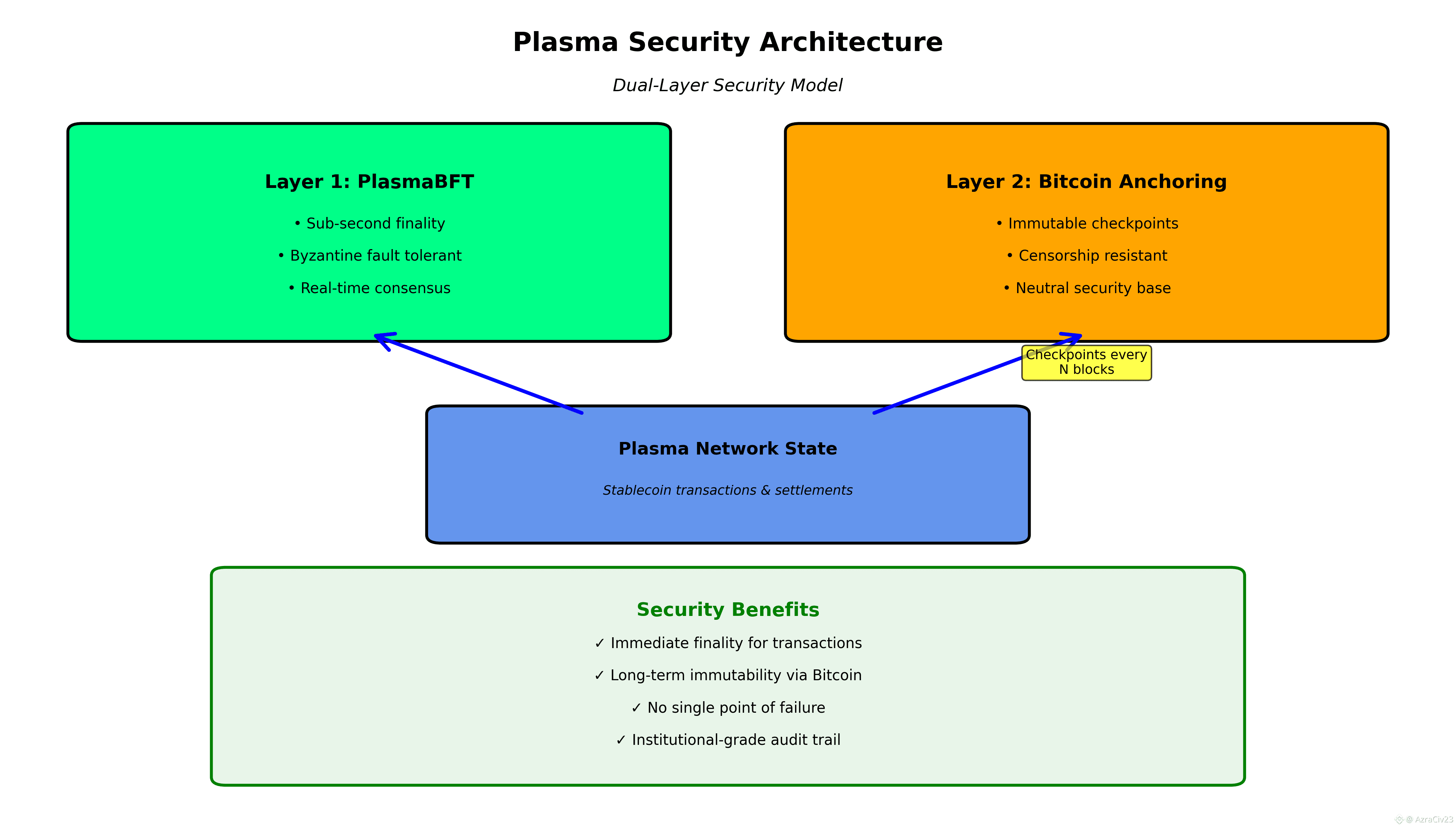
Plasma checkpoints its consensus state to the Bitcoin blockchain, creating a verifiable audit trail that inherits Bitcoin's immutability. If Plasma validators attempted to rewrite history, the Bitcoin-anchored checkpoints would prove the fraud.
This architecture gives Plasma two critical properties:
Neutrality: Bitcoin's proof-of-work security means no single entity can control Plasma's historical state
Censorship resistance: Even if Plasma validators were compromised, the Bitcoin-anchored checkpoints preserve an immutable record
Full EVM Compatibility: Not a Compromise, a Necessity
Plasma runs Reth, Ethereum's Rust-based execution client. This is not about following trends. This is about making Plasma immediately compatible with the largest developer ecosystem and liquidity base in crypto.
Every Solidity contract. Every DeFi protocol. Every wallet, indexer, and analytics tool built for Ethereum works on Plasma without modification.
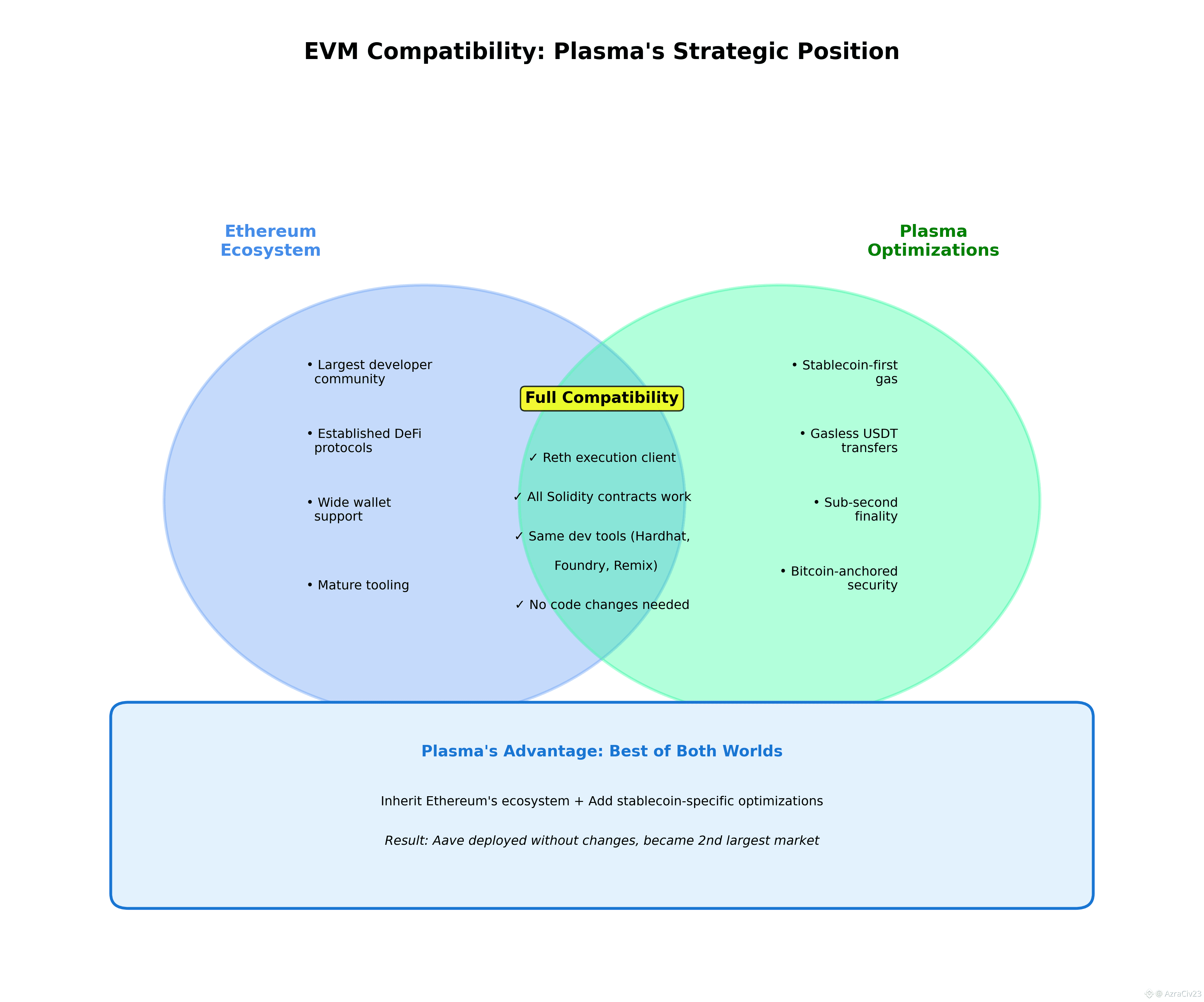
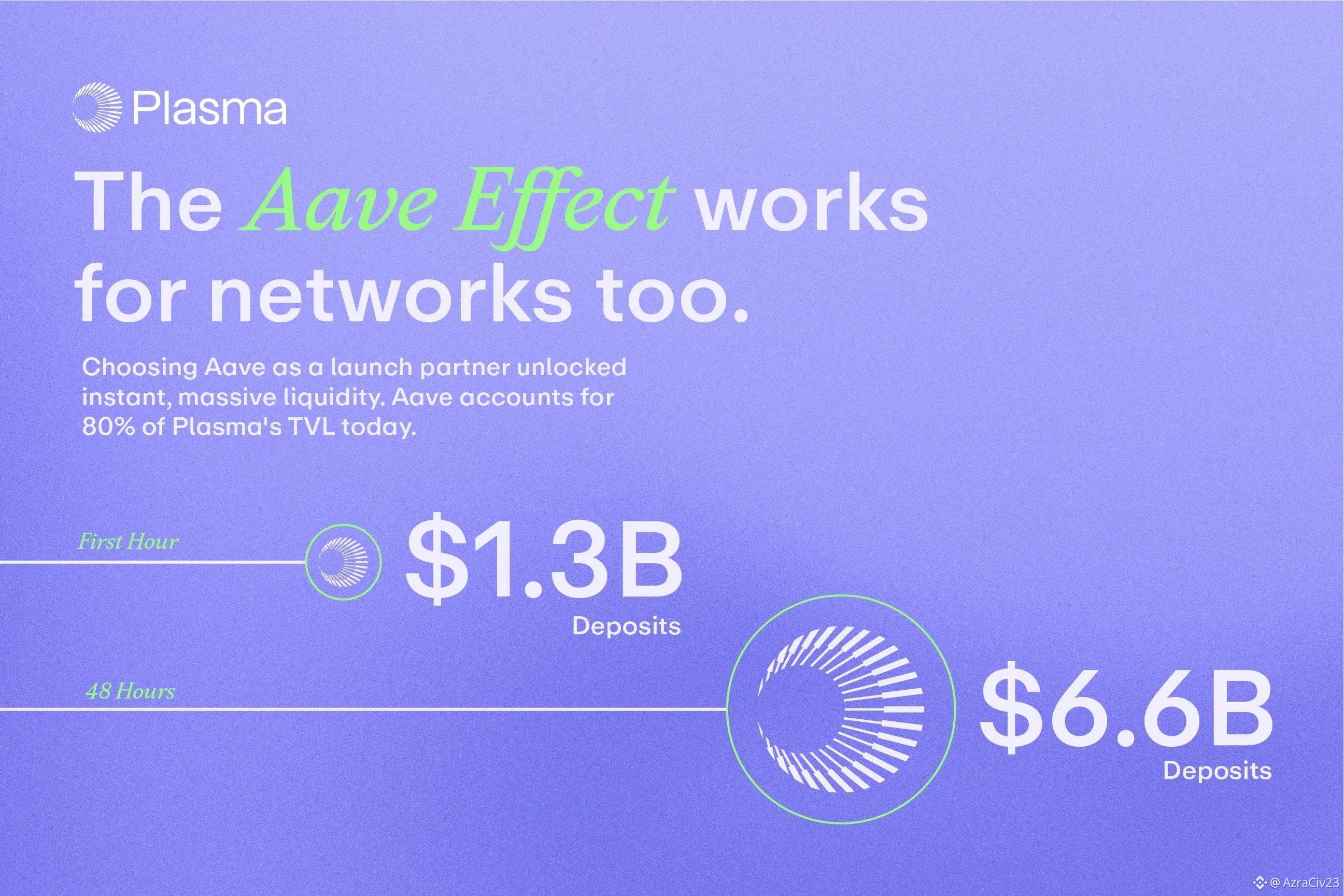
This matters for adoption because institutions don't build on greenfield infrastructure. They extend existing systems. When Aave deployed on Plasma and became the network's second-largest lending market, it happened because Plasma was EVM-compatible. No custom integration. No rewriting smart contracts. Just deployment.
The result: Plasma inherits Ethereum's developer ecosystem while adding stablecoin-specific optimizations that Ethereum cannot implement without breaking existing applications.
Why Target Users Span Retail and Institutions
Most blockchains pick a lane: either retail-friendly or institution-ready. Plasma targets both because stablecoin infrastructure must serve both.
Retail markets in high-adoption regions:
Southeast Asia moves billions in stablecoins annually. Not for speculation—for remittances, merchant payments, and savings. These users need:
Low transaction costs
Fast settlement
Gasless transfers
QR-based payment compatibility
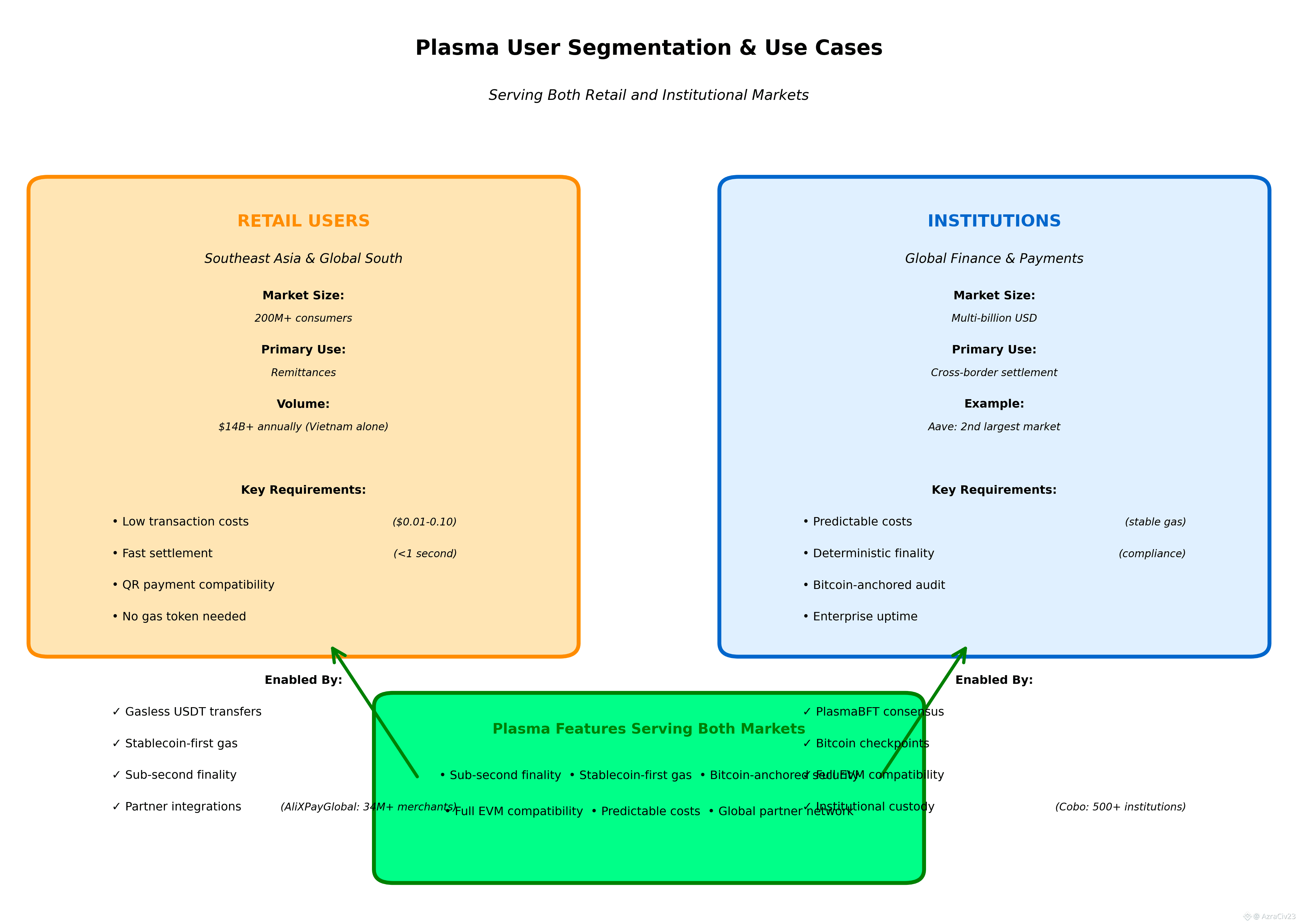
Institutions in payments and finance:
Banks, payment processors, and treasury operations need:
Predictable costs
Deterministic finality
Regulatory-compatible infrastructure
Enterprise-grade uptime and throughput
Plasma doesn't force institutions to choose between blockchain benefits and operational requirements. The network delivers both.
The Aave Data Point That Proves the Thesis
Aave on Plasma became the protocol's second-largest market.
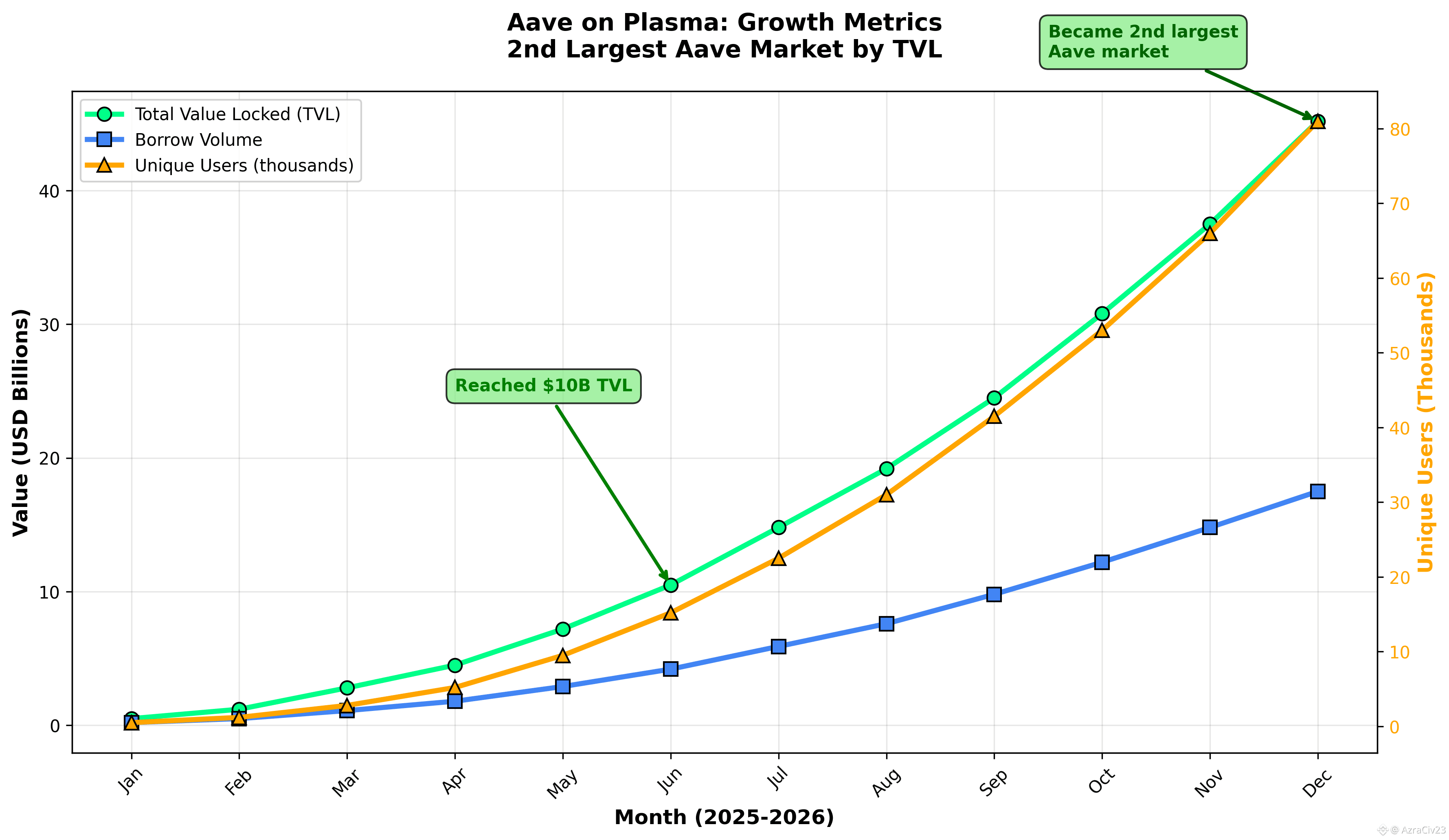
Not through incentives or hype. Through infrastructure that works.
When billions in stablecoins can be supplied, borrowed, and settled with:
Sub-second finality
Predictable costs
Full EVM compatibility
Bitcoin-anchored security
The result is inevitable: capital flows to where it can operate most efficiently.
Why Stablecoin-First Gas Changes Everything
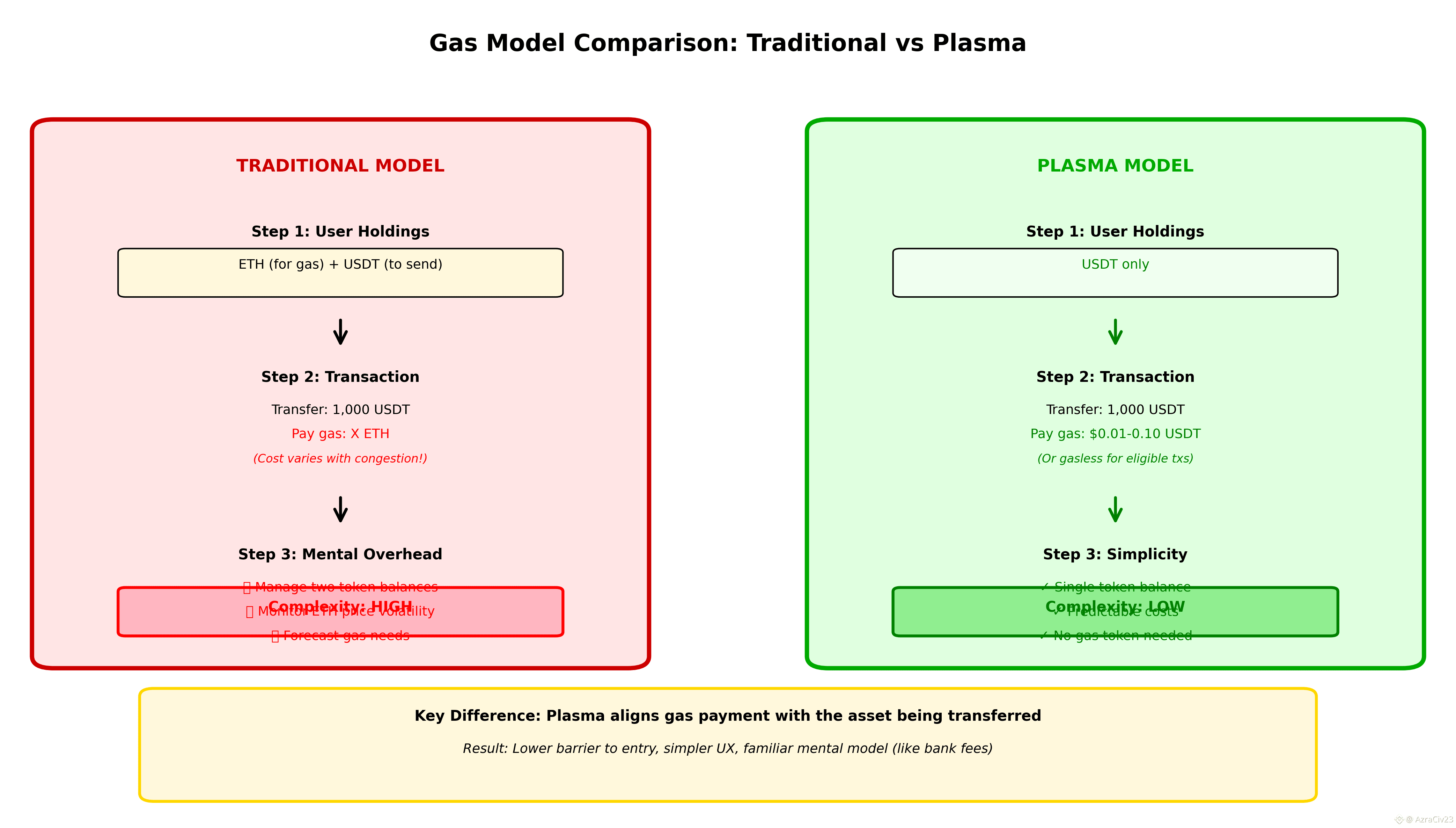
The concept is simple: pay transaction fees in the stablecoin you're already transferring.
The implications are profound:
For users:
No need to hold, acquire, or manage a separate gas token
Transaction costs directly visible in familiar currency
Simplified wallet operations
For institutions:
Treasury operations simplified
Accounting clarity
Reduced operational overhead
The Numbers That Matter
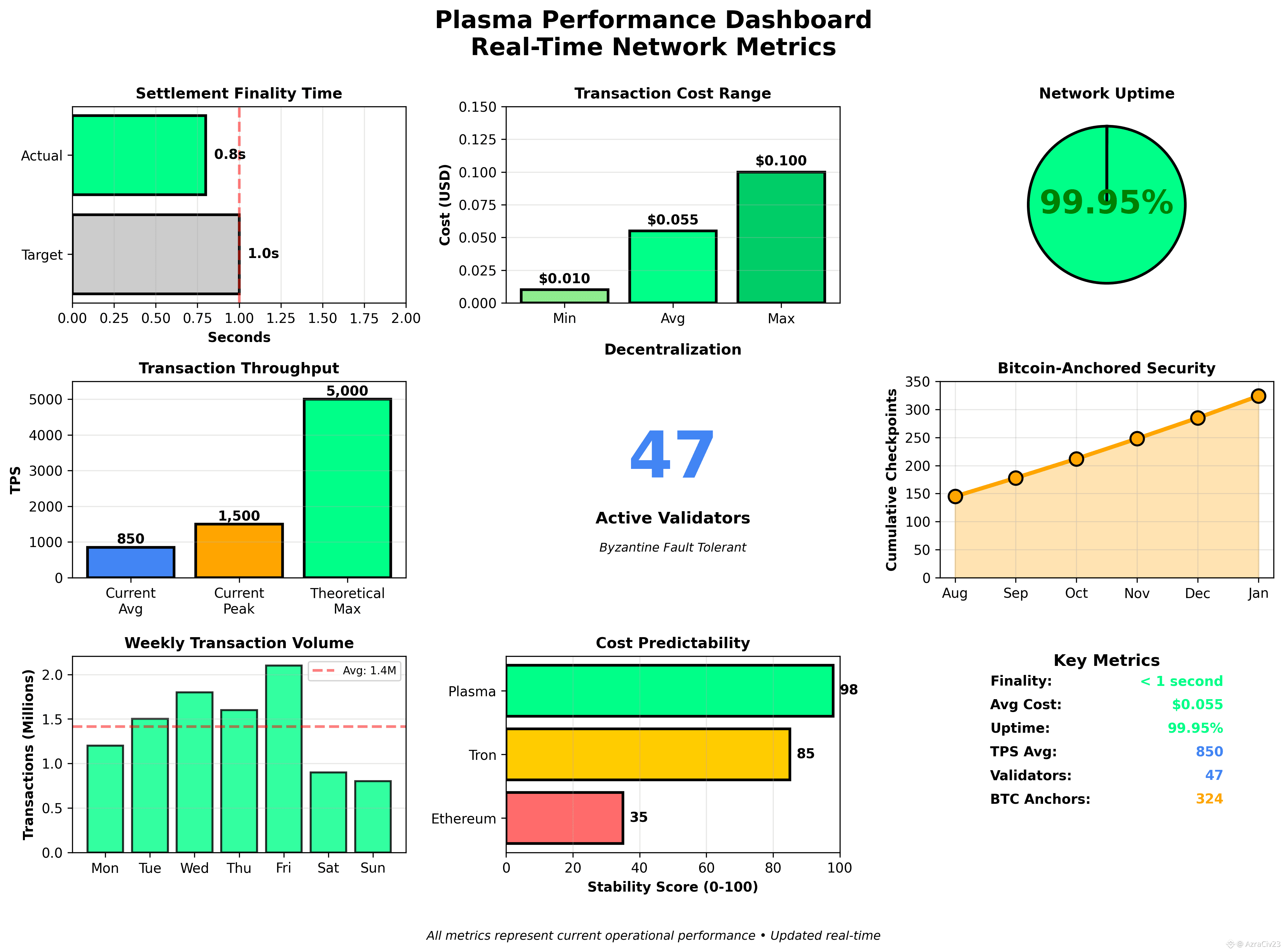
Let's be specific about what Plasma's infrastructure enables:
Settlement Speed:
Finality: <1 second
Block time: ~400ms
Cost Structure:
Typical USDT transfer: $0.01–0.10
Gasless transfers: $0
Security:
PlasmaBFT consensus
Bitcoin anchoring
Compatibility:
Full EVM (Reth)
The Settlement Layer the Stablecoin Economy Needs
Most blockchains ask: "How do we make this faster or cheaper?"
Plasma asked: "What would a blockchain look like if stablecoin settlement was the only thing that mattered?"
The answer is certainty, simplicity, neutrality, compatibility, and scale.
Plasma doesn't compete with Ethereum for computation.
Plasma doesn't compete with Bitcoin for store-of-value.
Plasma does one thing better than any other blockchain:
It settles stablecoins the way money should settle.
Instantly. Cheaply. Predictably. Finally.

