

If you’ve traded long enough, you learn that “privacy” isn’t a moral luxury, it’s market plumbing. Big players don’t hesitate to use crypto rails when the trade makes sense, but they do hesitate when every move becomes a billboard. That’s the heart of why privacy networks are vital for institutional adoption: institutions can’t operate at scale if counterparties can map their positions, inventory, and strategy in real time.
Most traders first meet “privacy” through the messy stuff mixers, sanctions headlines, and exchange delistings. But privacy networks are broader than that. Think of them as systems designed to hide sensitive details (who is transacting, how much, and why) while still proving to the network that the transaction is valid. The key technical idea powering the newer wave is the zero-knowledge proof. In plain English, it’s a cryptographic receipt that says “this trade follows the rules” without showing the underlying private data. That matters because institutions don’t just want secrecy; they want confidentiality with verifiability.
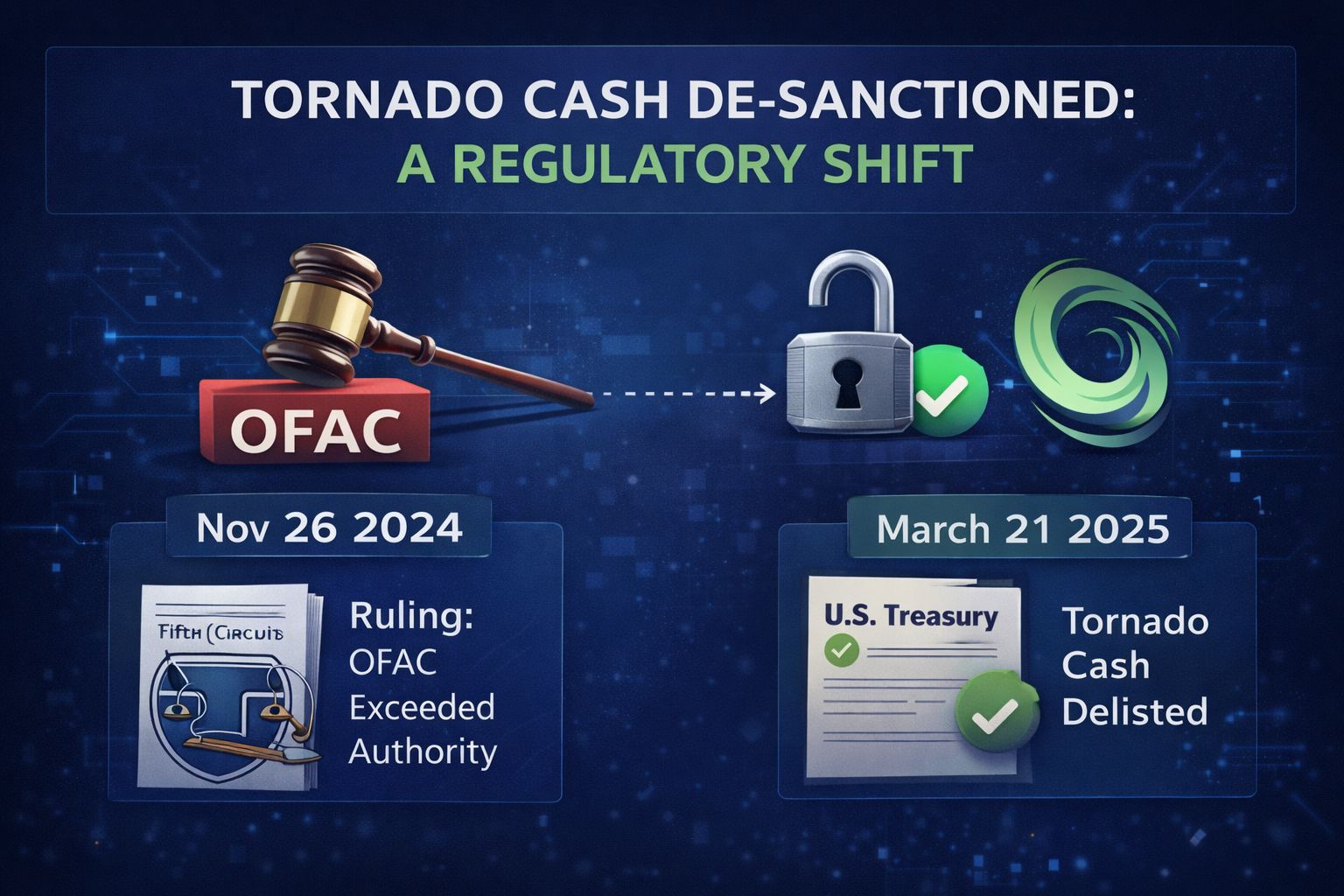
It’s trending again now because the regulatory conversation has started to separate tools from intent, even if the line is still fuzzy. In the U.S., Tornado Cash became the test case for whether code can be treated like a sanctioned “entity.” A major turning point was the Fifth Circuit’s November 26, 2024 decision saying OFAC exceeded its authority by sanctioning immutable smart contracts. Then on March 21, 2025, the U.S. Treasury formally removed Tornado Cash related addresses from the sanctions list. That delisting didn’t magically make all privacy tech “safe,” but it did signal that policy is being forced to grapple with nuance instead of blanket reactions.
At the same time, compliance requirements are tightening in a way that paradoxically increases demand for better privacy design. The FATF updated its Recommendation 16 standards in June 2025 to streamline “payment transparency” rules for cross border payments this is the backdrop to what traders call the Travel Rule, where identifying information is expected to accompany transfers through regulated intermediaries. Institutions live in that world. They need to satisfy these obligations, but they also need to avoid leaking client and trading data on a public ledger. The answer isn’t “no privacy.” The answer is selective disclosure: keep most information private by default, and reveal specific proofs or fields only to auditors, regulators, or approved counterparties when required.
Progress has been real on the tech side. Privacy-first networks and layers are moving from theory into deployable infrastructure. Aleo, for example, launched mainnet on September 18, 2024, aiming to make zero-knowledge applications practical at the base-layer level. On Ethereum’s side of the world, projects like Aztec are explicitly building “programmable privacy,” meaning private smart contracts rather than just private transfers. That distinction is huge for institutions, because institutional workflows aren’t just “send coin A to wallet B.” They’re collateral management, RFQs, netting, settlement, and reporting lots of logic, not just movement.

From a trader’s seat, the institutional problem is simple: information leakage is a cost. If your fund is building a position and the chain broadcasts every accumulation address, you’re inviting front running, copycat flows, and worse pricing. If you’re a market maker, broadcasting inventory can be like posting your limit order book to competitors. And if you’re a corporate treasurer moving size, you may not want suppliers, rivals, or even customers watching cash management in public. Traditional finance solved this with private venues and confidentiality agreements. Public blockchains flipped the default. Privacy networks flip it back without giving up cryptographic finality.
There’s still a hard conversation underneath: privacy can protect legitimate business activity, and it can also protect criminals. That tension isn’t going away. What I’m watching, and what I think institutions are watching, is whether privacy networks can make compliance a built in feature rather than an afterthought auditable proofs, permissioned viewing keys, and clear rules for selective disclosure. If that design pattern wins, privacy stops being a “controversy trade” and becomes the boring requirement it always was: the ability to transact efficiently without broadcasting your entire playbook to the world.