



Quantum computing has long been treated as a distant, almost academic threat to blockchain cryptography. But over the past few months, that assumption has begun to break down.
What was once theoretical is now moving into engineering reality — and the Ethereum Foundation is responding by making post-quantum security a top strategic priority.
Earlier in January, the foundation formally created a dedicated Post-Quantum (PQ) team, signaling a shift from background research to active, long-term engineering.
From Theory to Urgency

“Quantum computing is moving from theory into engineering,” said Thomas Coratger, who leads the new PQ team.
“That changes the timeline, and it means we need to prepare.”
While the Bitcoin community has debated quantum risks for over a year, Ethereum’s ecosystem entered 2026 taking its first concrete steps toward mitigation. The concern isn’t panic , it’s timing. Decentralized networks move slowly, and cryptographic transitions can take years.
The worst outcome, Coratger stressed, would be realizing the threat is real after it’s already too late to upgrade safely.
Post-Quantum Security Becomes an Engineering Project
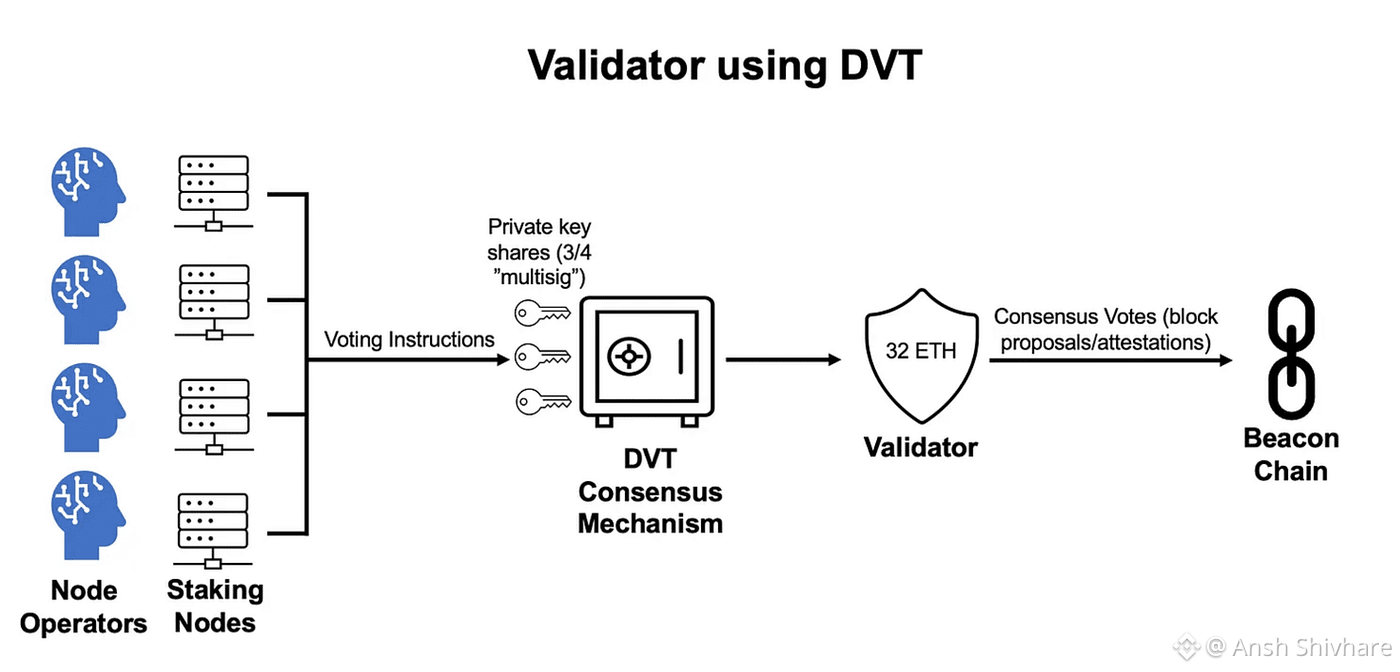
For now, Ethereum’s post-quantum efforts are focused on the consensus layer , the system that allows thousands of validators to agree on valid transactions and blocks.
Today’s cryptography works extremely well, but powerful quantum computers could eventually break the digital signatures that secure validator approvals and wallet keys.
“One of the biggest challenges,” Coratger explained, “is that Ethereum’s current signature aggregation works beautifully at scale and post-quantum alternatives don’t yet.”
leanVM: Rebuilding Signatures for the Quantum Era
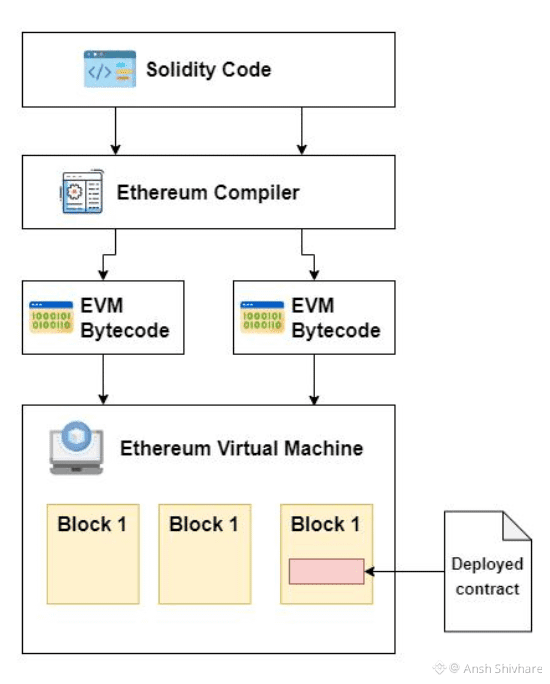

To address that challenge, the Ethereum Foundation is developing leanVM, a specialized execution environment designed to support post-quantum signatures at Ethereum’s scale.
The idea is to bundle many post-quantum approvals into a single compact proof, preventing the blockchain from being overwhelmed by heavier cryptographic data.
While complex under the hood, the goal is straightforward:
👉 Allow Ethereum to upgrade its cryptography without breaking performance or usability.
Importantly, this isn’t theoretical work.
“We already have test networks running with post-quantum signatures,” Coratger said.
From Research to Public Engineering


EF researcher Justin Drake described the shift clearly: Ethereum is moving from quiet research into public engineering mode.
Key initiatives now underway include:
Biweekly developer sessions focused on post-quantum transactions
Multi-client post-quantum consensus test networks
Wallet safety upgrades and account abstraction paths
Active funding of cryptographic research
The foundation is also backing its commitment with capital, announcing two $1 million research prizes , including the Poseidon Prize and the Proximity Prize , aimed at hardening cryptographic primitives.
Preparing Early Is the Real Defense


Despite the urgency, Ethereum leaders are careful to emphasize that there is no immediate danger. Quantum computers capable of breaking blockchain cryptography do not yet exist at scale.
But that’s precisely the point.
Because upgrading wallets, validators and user infrastructure across a global network takes years, Ethereum is acting before the threat materializes , not after.
“The worst-case scenario,” Coratger said, “is that quantum computers arrive and we’re not ready.”
The Bigger Picture
Post-quantum security has crossed a critical threshold for Ethereum. It’s no longer a distant thought experiment or a purely academic debate. It’s becoming a long-term engineering effort that will shape how the network evolves over the next decade.
In 2026, Ethereum isn’t reacting to a crisis , it’s preparing to avoid one.