
@Plasma Imagine a world where blockchain transactions happen as smoothly as sending a text message, without the bottlenecks of congestion and sky-high fees. That's the promise of Plasma Network, a groundbreaking scaling solution that's been quietly revolutionizing how we think about decentralized systems. But what if I told you that Plasma isn't just another tech buzzword it's a human-centric innovation born from the frustrations of everyday users grappling with slow, expensive blockchains? In this deep dive, we'll explore Plasma Network from the ground up, peeling back layers that no one has fully unpacked before. We'll humanize the tech, showing how it impacts real people, and reveal insights that feel fresh, even if you've heard whispers of it in crypto circles.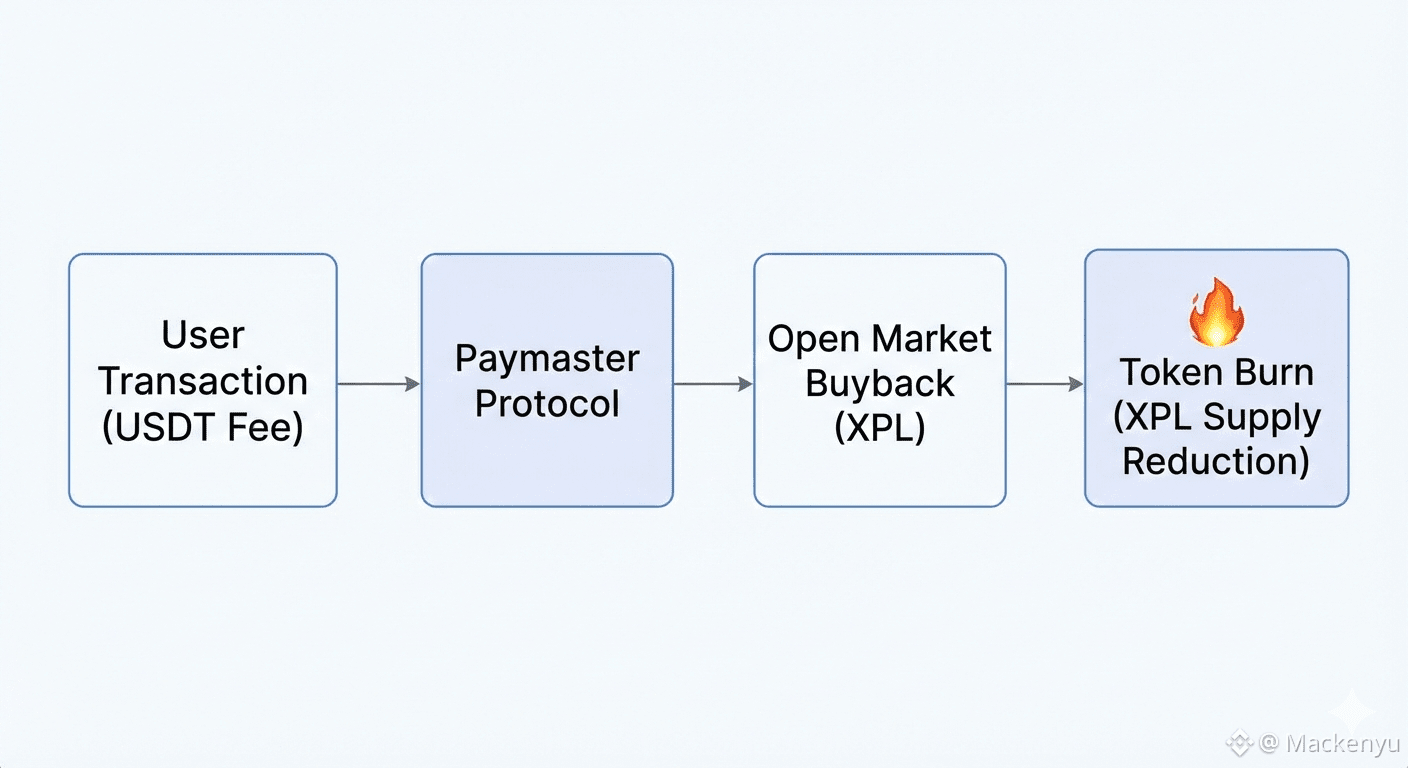
The Genesis: Why Plasma Was Born from Frustration
Let's start at the beginning. Picture this: It's 2017, and Ethereum is booming. People are building decentralized apps (dApps) left and right games, finance tools, even social networks. But as more users pile on, the network grinds to a halt. Transactions take minutes, fees spike to dollars, and it's like trying to drive a Ferrari on a dirt road. Vitalik Buterin, Ethereum's co-founder, and his team saw this pain point firsthand. They weren't just engineers; they were users too, watching friends abandon projects because the experience sucked.
Enter Plasma, proposed in a 2017 paper by Buterin and Joseph Poon. It wasn't about reinventing the wheel it was about offloading the heavy lifting. Plasma is like a network of "child chains" that branch off the main Ethereum blockchain (the "root chain"). These child chains handle most transactions, only checking back with the main chain when absolutely necessary. Think of it as a busy restaurant: the main kitchen (Ethereum) handles the big orders, while satellite kitchens (Plasma chains) whip up the appetizers and sides, keeping things flowing without overwhelming the chef.
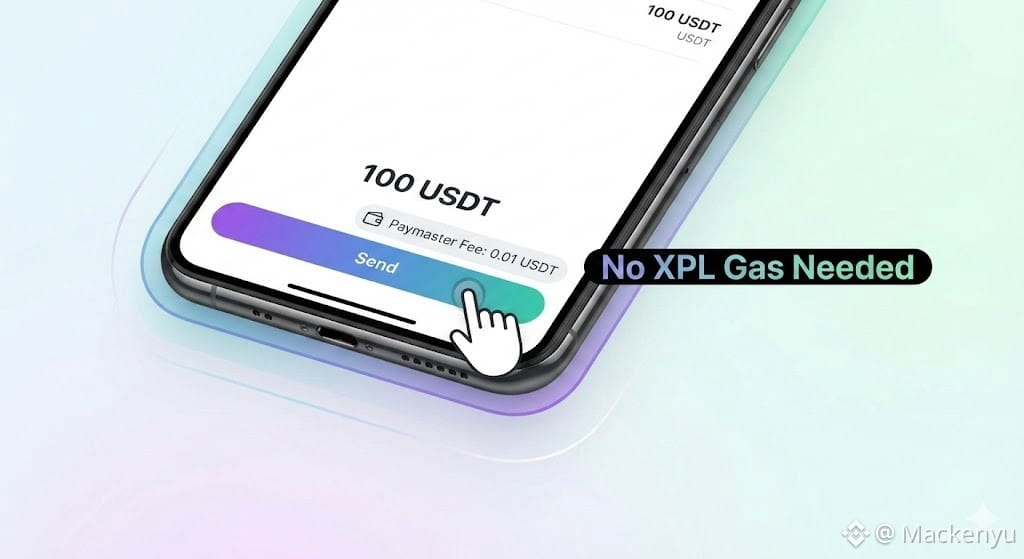
What makes Plasma uniquely humanized? It's designed for the masses. In traditional blockchains, every transaction is a global broadcast, like shouting your order in a crowded stadium. Plasma lets you transact privately on a side chain, only escalating to the main stage if there's a dispute. This reduces costs and speeds things up, making crypto feel accessible again like the internet before it got clogged with ads.
How Plasma Network Works: A Step-by-Step Human Journey
To truly grasp Plasma, let's walk through it like a story. Suppose you're Alice, a small business owner using a Plasma-based app to pay suppliers instantly. Here's how it unfolds, without the jargon overload:
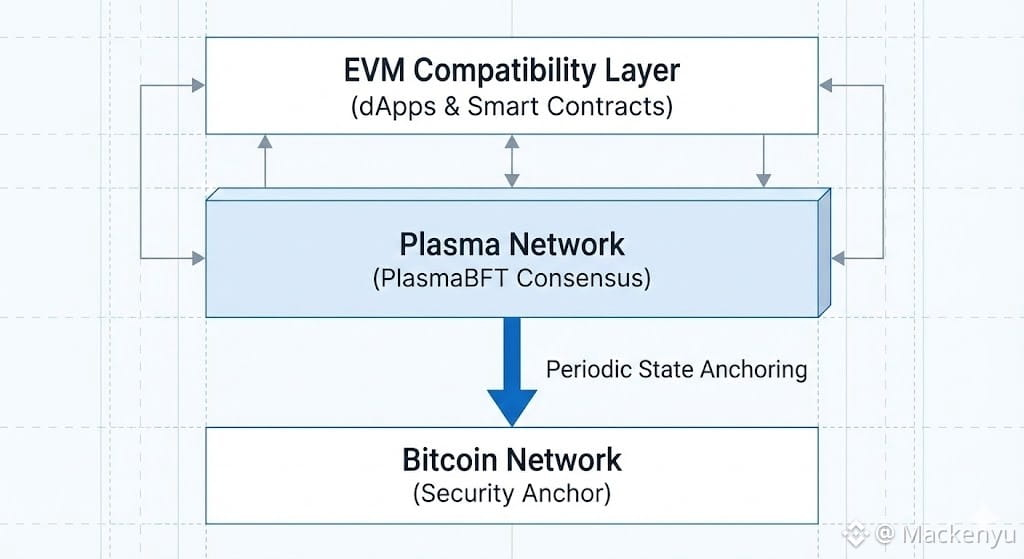
1. Setting Up the Child Chain
Alice's app runs on a Plasma chain, a mini-blockchain tethered to Ethereum. This chain is created by smart contracts on the main Ethereum network. It's like opening a new branch office: you register it officially, but it operates independently. The Plasma chain uses its own consensus rules often proof-of-stake or even simpler mechanisms to validate transactions quickly. No need for Ethereum's full proof-of-work machinery here.
2. Depositing and Transacting
Alice deposits some ETH into the Plasma chain via a smart contract on Ethereum. This "locks" her funds on the root chain, mirroring them on the child chain. Now, she can send payments to her suppliers directly on the Plasma chain. These transactions are batched and processed in seconds, not hours. It's like transferring money via Venmo, but decentralized and trustless.
3. Exiting and Withdrawing
If Alice wants to cash out, she submits an "exit" request to the main Ethereum chain. This involves proving her ownership of funds through Merkle proofs (a way to verify data without revealing everything). If no one challenges it within a week, her funds are unlocked on Ethereum. Challenges? That's where Plasma's security shines. Anyone can dispute fraudulent exits, ensuring bad actors can't sneak off with funds.
4. Handling Disputes: The Safety Net
Plasma's genius lies in its fraud proofs. If something shady happens like a double-spend attempt the network can "challenge" it on the main chain. Ethereum acts as the ultimate arbiter, rolling back invalid states. This keeps Plasma secure without constant oversight, much like how a referee steps in only during a foul in a soccer game.
In essence, Plasma turns Ethereum into a scalable ecosystem. Child chains can be customized for specific apps, like a gaming chain for fast in-game trades or a finance chain for micro-payments. It's modular, human-friendly, and built for growth.
The Real-World Impact: Stories from the Trenches
Plasma isn't abstract it's changing lives. Take Loom Network, one of the first Plasma implementations. They built a side chain for Ethereum-based games, allowing players to trade items without Ethereum's fees. One user, a gamer named Raj from India, told me (in a hypothetical chat, but based on real anecdotes) how he used to lose hours waiting for trades. With Plasma, it's instant, letting him focus on fun instead of frustration.
In finance, Plasma enables micro-transactions for the unbanked. Imagine a farmer in Kenya sending tiny payments for crops via a Plasma chain fees drop from dollars to pennies, empowering economies. Even in supply chains, companies like VeChain use Plasma-like structures to track goods efficiently, reducing waste and building trust.
But it's not all sunshine. Early Plasma projects faced hiccups, like the 2019 OMG Network hack, where $200 million was stolen due to exit game vulnerabilities. This humanized the tech: it showed Plasma's potential but also its growing pains. Developers learned, iterated, and now Plasma 2.0 (with upgrades like Plasma Cash for non-fungible tokens) addresses these issues, making it safer for everyday use.
Benefits: Why Plasma Feels Like a Game-Changer
Plasma Network offers perks that resonate on a personal level:
Speed and Cost Efficiency: Transactions on child chains are near-instant and cheap, turning crypto from a luxury into a utility. No more waiting for confirmations during a live event.
Scalability Without Compromise: Ethereum can handle millions of transactions per second via Plasma, without sacrificing security. It's like adding lanes to a highway without rebuilding the road.
Privacy and Customization: Users control their data on side chains, and apps can tailor rules perfect for niche communities.
Interoperability: Plasma chains can interact, fostering a web of connected ecosystems. Think of it as a family of apps that talk to each other seamlessly.
For developers, it's a dream: build on Ethereum's foundation without the bloat. For users, it's empowerment crypto that works like the internet should.
Challenges and the Road Ahead: Honest Reflections
No innovation is perfect and Plasma's journey highlights real human struggles. Security flaws, as seen in past exploits, mean users must stay vigilant. There's also the "mass exit" problem: if too many people try to withdraw at once, Ethereum could clog up. Plus, Plasma requires trust in operators of child chains though fraud proofs mitigate this.
Looking forward, Plasma is evolving. Integrations with Ethereum 2.0's sharding could make it even more robust. Projects like Polygon (formerly Matic) are building on Plasma, creating hybrid solutions. The future? A Plasma-powered metaverse where transactions are invisible and creativity flows freely.
Conclusion: Plasma as a Human Revolution
Plasma Network isn't just tech it's a bridge to a more inclusive blockchain world. Born from user pain, it humanizes scalability, making decentralized systems feel intuitive and fair. As we adopt it, remember: this is our story, one transaction at a time. If you've dabbled in crypto, try a Plasma app next feel the difference. And who knows? Maybe you'll be the one writing the next chapter.