

For years, crypto has talked about “bringing institutions on-chain,” but most attempts stopped at surface-level integrations. A token here, a bridge there, maybe a compliance wrapper bolted on after the fact. What Dusk and NPEX are doing feels fundamentally different. This isn’t a crypto platform trying to look regulated. It’s a licensed exchange stepping directly on-chain—and that distinction matters more than most people realize.
NPEX is not just another crypto-native partner. It’s a regulated Dutch exchange with MTF, broker, and ECSP licenses. When an entity like that chooses to build on a blockchain, it’s effectively stress-testing the chain against real regulatory standards, not hypothetical ones. Reporting obligations, audit trails, investor protections, settlement finality—these are non-negotiable requirements. Dusk wasn’t adapted to meet them; it was designed for them.
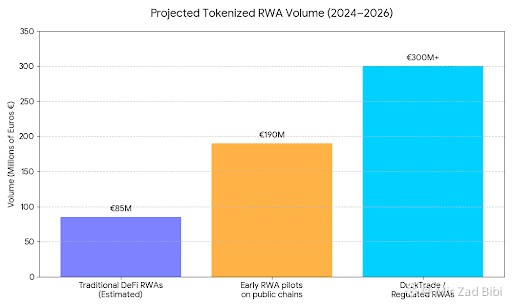
The result is DuskTrade, a regulated on-chain trading and investment platform expected to bring over €300M in tokenized securities on-chain. This is where the conversation shifts from narratives to infrastructure. Tokenized RWAs aren’t just being issued—they’re traded, settled, and audited within a compliant framework. That’s a major leap from the “RWA pilots” we’ve seen across the industry.
What stands out to me is how Dusk reframes compliance. On most chains, regulation is friction. It slows things down, adds cost, and often pushes activity back off-chain. On Dusk, compliance is part of the execution environment itself. Trades settle only when rules are satisfied. Privacy is preserved without breaking auditability. Institutions don’t need parallel systems to reconcile on-chain activity with regulators—it’s already built in.
This is especially important in the MiCA era. Europe is moving from regulatory ambiguity to clarity, and that clarity favors infrastructure that was designed with regulators in mind from day one. Many DeFi platforms now face a painful retrofit phase. Dusk doesn’t. Its architecture already assumes regulated actors, licensed venues, and real-world liabilities.
The NPEX partnership also highlights something subtle but critical: liquidity quality. Institutional liquidity behaves differently from speculative capital. It’s larger, slower-moving, and far more sensitive to compliance risk. By enabling licensed exchanges to operate on-chain, Dusk is positioning itself where this type of liquidity can actually live long term.
Zooming out, this isn’t just about one exchange or one product launch. It’s a signal of where on-chain finance is heading. The future won’t be anonymous pools competing for yield at any cost. It will be regulated venues, tokenized securities, private yet auditable transactions, and settlement layers that regulators can trust.
Dusk + NPEX shows what “institutional adoption” looks like when it’s real. Not marketing partnerships. Not pilot dashboards. But licensed financial infrastructure choosing a blockchain because it already speaks the language of compliance. That’s not just progress—it’s a structural shift in how on-chain markets will be built.
