

Most blockchain projects begin with technical whitepapers circulated among developer communities before product ever gets built. Vanar’s story started differently in late twenty seventeen when Jawad Ashraf living in Dubai tracked down Gary Bracey in England after hearing repeatedly from multiple sources that Bracey was exactly the person he needed to find. They’re finally meeting outside car park in Staines at Starbucks where Ashraf laid out vision for what Virtua could become. The chemistry proved immediate and electric. Within single week they incorporated company that would eventually transform from NFT gaming metaverse into AI-native blockchain infrastructure challenging assumptions about what Layer One chains can be.
The partnership brought together complementary expertise spanning decades of technology evolution. Ashraf carried more than thirty years building and selling technology companies across anti-terrorism software, energy trading systems, mobile gaming platforms, and virtual reality experiences. His entrepreneurial journey started decades earlier as child in UK creating games on ZX Spectrum computer, passion that led him through computer science degree and brief stint in traditional employment before discovering freelance software development offered freedom he craved. The ventures he built and sold included notable exit with Entertainer Dubai valued at one hundred million dollars, demonstrating ability to identify market opportunities and execute at scale.
Bracey brought different but equally crucial perspective from spending more than thirty-five years inside gaming industry trenches. He joined Ocean Software during its dominance of home PC and console gaming markets in nineteen eighties, accumulating credits on major franchises including contributions to Tomb Raider development. The BAFTA award recognition validated his industry standing among peers who built foundations of modern gaming. His network extended across entertainment intellectual property holders, game developers, and platform operators who would become critical as Virtua attempted bridging blockchain technology with mainstream entertainment brands reluctant to touch anything associated with cryptocurrency’s speculative reputation.
The Entertainment Vision That Preceded Blockchain Infrastructure
The Terra Virtua formation in twenty eighteen focused squarely on creating gamified metaverse delivering immersive NFT gaming experiences. This wasn’t abstract concept but concrete platform where users could trade, display, share, and interact with collectibles within PC, mobile, and virtual reality environments. The team recruited Doug Dyer who worked at Warner Digital along with community managers distributed globally, building what Ashraf describes as complete platform rather than fragmented experience requiring users cobble together multiple services. The emphasis on building first then talking contrasted sharply with countless projects announcing grand visions without shipping actual products users could touch.
The intellectual property partnerships demonstrated how gaming industry relationships created competitive advantages impossible for purely technical teams to replicate. They’re securing collaborations with Shelby for racing content, Yorkshire County Cricket Club for sports experiences, and various entertainment franchises each bringing existing fan communities numbering thousands or millions. Every IP partnership came with comprehensive program outlining how that property would manifest across multiple touchpoints. The Shelby partnership meant not just collectible drops but racing game, virtual garages, dedicated metaverse tower, and freemium upgrade model creating recurring engagement beyond one-time purchases.
The platform philosophy centered on utility and meaningful activity rather than empty virtual spaces. Ashraf emphasized that metaverse needs interesting things to do catering to different tastes while each experience brings relevant fan communities. This insight emerged from observing World of Warcraft players grinding months to acquire assets they could never truly own or use outside that specific game environment. The blockchain promise meant digital assets users genuinely controlled, transferable across experiences and platforms, retaining value independent of any single company’s decisions. If it becomes that Terra Virtua succeeded in vision, users would inhabit rich immersive environments transitioning seamlessly between augmented reality light experiences, full VR immersion, and mobile accessibility.
The March Twenty Twenty-Four Partnership Catalyzing Market Recognition
The announcement on March thirteenth twenty twenty-four that Vanar joined NVIDIA Inception program created immediate market response demonstrating how strategic partnerships with established technology giants validate blockchain projects for investors uncertain about separating legitimate innovation from hype. The VANRY token surged fifty-six percent within twenty-four hours, price jumping from around twenty cents to thirty-six cents as trading volume on VANRY USDT pair reached eighty-eight point two million dollars. This represented more than temporary speculation because NVIDIA Inception represents selective program nurturing startups reshaping industries through technological innovation rather than generic accelerator accepting anyone willing to pay.
The resources becoming available through NVIDIA Inception extended far beyond marketing value of association with recognized brand. Vanar gained access to CUDA-X AI comprehensive toolkit for services and applications including intellectual property tracking, analytics, and metaverse creation tools that would have required years of independent development. The NVIDIA Tensor technologies for AI workloads, Omniverse for collaborative three-dimensional design, and Gameworks for advanced graphics all became accessible to entire Vanar developer ecosystem. This meant anyone building on Vanar could craft engaging immersive innovative experiences across diverse platforms and devices leveraging cutting-edge technology typically available only to well-funded studios with direct NVIDIA relationships.
The timing of NVIDIA partnership aligned perfectly with Vanar’s evolution from entertainment-focused blockchain toward AI-native infrastructure. Ashraf’s statement about joining program emphasized building faster more scalable platform unlocking full potential of decentralized applications for mainstream users through tapping NVIDIA’s expertise in AI and deep learning. We’re seeing recognition that entertainment applications require sophisticated AI capabilities for creating believable non-player characters, procedural content generation, real-time graphics optimization, and personalized user experiences. The infrastructure Vanar was building to support next-generation gaming would necessarily possess capabilities valuable for broader AI-powered applications beyond entertainment vertical.
The market response extended beyond immediate price movement. Addresses associated with QCP Capital accumulated fifty-five point seven six million VANRY tokens worth nineteen point seven two million dollars with average acquisition cost of five point six cents, resulting in floating profit of sixteen million dollars within months. This institutional accumulation signaled sophisticated investors believed Vanar represented more than short-term trading opportunity. The positioning at top of holder rankings indicated conviction that platform would capture meaningful value as ecosystem developed. The perpetual contract launch on major exchange with fifty-times leverage offering further validated that Vanar achieved sufficient liquidity and institutional interest to support derivatives products typically reserved for established projects.
The Philosophical Shift From Visible Entertainment To Invisible Infrastructure
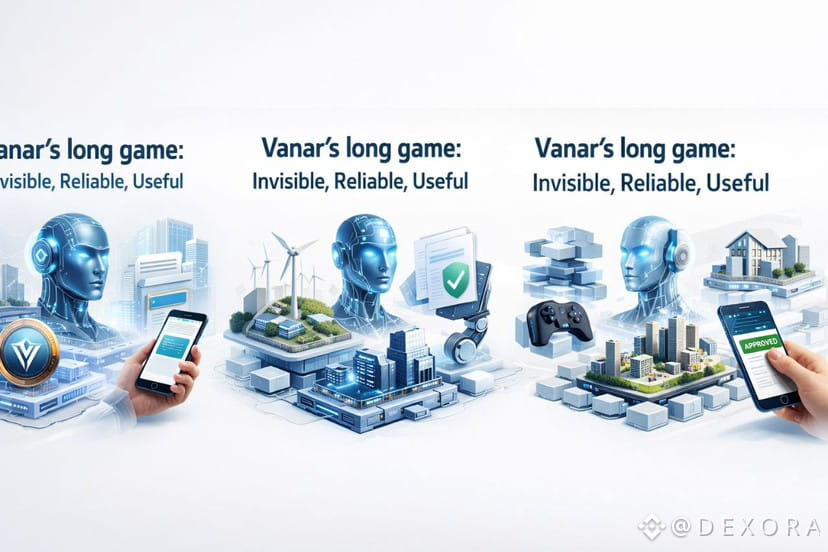
The transformation from Virtua focused on visible branded metaverse experiences to Vanar emphasizing invisible infrastructure represented profound philosophical evolution. Ashraf articulated goal that Vanar should become world’s biggest blockchain nobody knows about, comparing it to AWS or Google Cloud where products running on infrastructure matter more than underlying technology. This contrasts dramatically with typical blockchain project marketing emphasizing technical superiority and encouraging users to consciously choose their chain. The vision meant billions of people might interact with applications powered by Vanar daily without ever hearing project name or understanding blockchain involvement.
This infrastructure-first mentality required different technical decisions than entertainment platform would make. The choice to fork Ethereum then lock gas fees to fraction of cent addressed predictability concerns where entertainment applications with tight margins can’t tolerate variable costs destroying business models. Traditional gas auction mechanisms where users bid against each other during congestion periods create situations where successful game becomes victim of its own popularity, with transaction costs spiking precisely when most users want to play. The fixed fee structure meant developers could calculate exact costs per user interaction and price products accordingly without maintaining reserve budgets for unexpected fee explosions.
The carbon neutrality emphasis emerged from recognition that entertainment brands and mainstream corporations considering blockchain face intense scrutiny around environmental impact. Ashraf acknowledged no blockchain is green out the gate, leading to partnership with Google Cloud leveraging renewable energy data centers and creating measurable framework for energy consumption rather than vague neutrality claims. The collaboration with BCW Group hosting validator nodes in Google facilities powered by renewable sources created operational proof rather than just stated intention. This matters enormously when negotiating with major entertainment IP holders whose brand reputation could suffer from association with environmentally destructive technology.
The Founder Dynamics Enabling Sustained Execution Through Market Cycles
The endurance of partnership between Ashraf and Bracey through multiple market cycles and strategic pivots reflects unusual founder dynamics where complementary skills create more than sum of individual contributions. Ashraf brings entrepreneurial instinct for identifying market shifts and willingness to fundamentally reinvent product when evidence suggests original direction proves insufficient. The ability to abandon Virtua branding despite years building recognition and start fresh as Vanar demonstrates rare ego-free pragmatism prioritizing winning over being right about initial thesis. This matters because most founders become emotionally attached to original vision, doubling down on failing approaches rather than acknowledging market moved differently than anticipated.
Bracey provides grounding in entertainment industry realities that prevent purely technical team from building impressive technology nobody actually wants to use. His decades navigating franchise licensing, platform politics, and developer relations inform product decisions in ways impossible to learn from whitepapers or developer documentation. The gaming industry taught him that technical superiority loses to distribution advantages and brand recognition, lessons directly applicable to blockchain where best technology frequently fails while inferior solutions with better go-to-market strategies succeed. The willingness to maintain dual responsibilities running both Vanar infrastructure and Virtua entertainment experiences reflects understanding that credible blockchain needs actual applications demonstrating capabilities rather than just promising future adoption.
The geographic separation with Ashraf based in Dubai and Bracey in England while building distributed global team demonstrates adaptation to remote collaboration long before pandemic made it mandatory. The acknowledgment that no such thing as weekend exists when running your own business reflects realistic assessment of commitment required for blockchain project competing against hundreds of well-funded alternatives. The exhaustion Ashraf mentions when discussing balancing responsibilities highlights that success requires more than good ideas, demanding sustained execution through inevitable obstacles and setbacks that eliminate most projects long before they reach meaningful scale.
The Technical Architecture Decisions Enabling AI-Native Capabilities
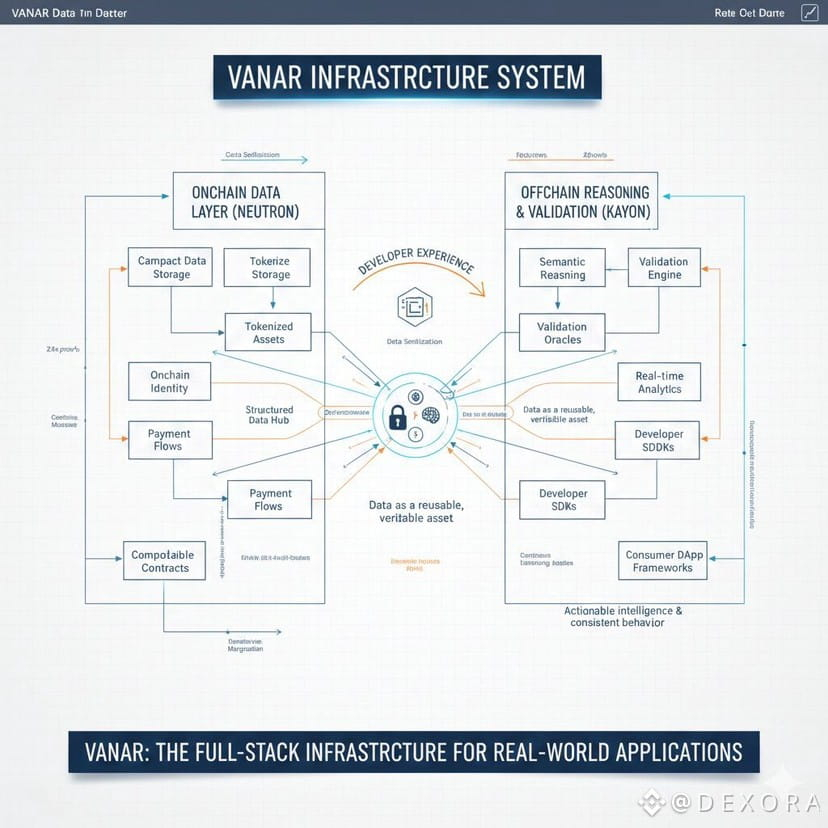
The decision to build as Layer One rather than Layer Two solution or sidechain reflected specific convictions about requirements for supporting AI workloads that original Virtua entertainment focus anticipated without fully understanding. The five-layer architecture transforming applications from simple smart contracts into intelligent systems required full control over base protocol rather than accepting constraints of existing chains. They’re customizing GETH codebase with meticulous precision where every modification undergoes rigorous audit ensuring changes align with objectives while maintaining compatibility with broader blockchain ecosystem. This commitment to perfection rather than rapid iteration distinguishes mature engineering culture from move-fast-break-things mentality that works for consumer applications but fails for financial infrastructure.
The emphasis on EVM compatibility despite building custom chain recognized that developer adoption requires minimizing switching costs. If talented Solidity developers must learn entirely new programming languages and frameworks to build on Vanar, most won’t bother regardless of technical superiority. The ability to use standard tools like Hardhat, Foundry, and Remix without modification means developers can experiment with Vanar without abandoning existing expertise or rewriting codebases from scratch. This pragmatic recognition that ecosystem matters more than raw performance acknowledges lessons from countless technically superior chains that failed because they couldn’t attract developer mindshare.
The Proof of Reputation consensus mechanism combining with Delegated Proof of Stake reflects lessons from entertainment industry about importance of brand and credibility. The Vanar Foundation selecting validators based on established reputation in Web2 and Web3 rather than just financial stake or computational power creates accountability structure where validators risk broader business reputation beyond just staked capital. The gaming industry partnerships demonstrated that major brands won’t associate with anonymous validators whose behavior might damage partner reputation. The validator selection process requiring proven track records, market position, customer reviews, and industry certifications means only credible entities participate in consensus, addressing mainstream concerns about blockchain governance by unaccountable parties.
The Reality Check Facing Entertainment-To-Infrastructure Evolution
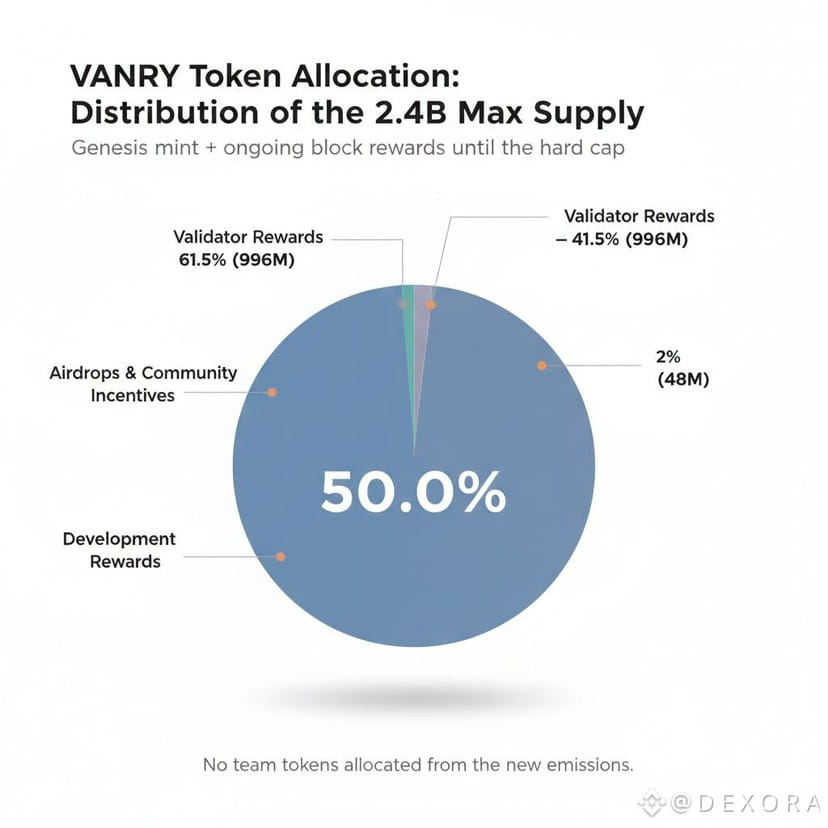
The fundamental question confronting Vanar involves whether infrastructure built for entertainment applications actually attracts developers and users in sufficient numbers to justify valuation implied by token price and market positioning. The current price trading below one cent despite technical capabilities, strategic partnerships, and founder credentials suggests market remains skeptical that vision translates into measurable adoption. The impressive features around data compression, AI reasoning, environmental sustainability, and gaming-optimized architecture don’t automatically create network effects if developers choose established chains with larger ecosystems despite inferior technology.
The challenge becomes particularly acute given original Virtua entertainment focus hasn’t disappeared but continues parallel to Vanar infrastructure development. This creates execution risk where attempting to succeed at both blockchain infrastructure and gaming metaverse platform means neither receives full organizational focus and resources. The balancing act Ashraf describes as tiring might become untenable if market conditions force prioritization decisions between maintaining entertainment applications demonstrating Vanar capabilities versus pure infrastructure play competing with established Layer Ones. If it becomes necessary to choose, abandoning either direction means admitting years of effort produced limited results.
The NVIDIA partnership validation and institutional investor accumulation provide evidence that sophisticated parties believe in thesis, but belief doesn’t guarantee outcome. Countless well-funded blockchain projects with impressive partnerships and technical achievements failed to achieve meaningful adoption because the fundamental problem they solved proved less urgent than founders imagined. The specific bet Vanar makes involves mainstream entertainment applications requiring blockchain infrastructure purpose-built for their needs rather than adapting to general chains. This thesis might prove correct in which case Vanar captures enormous value, or it might prove that entertainment applications don’t actually need blockchain at all beyond limited NFT use cases better served by existing infrastructure.
Reflecting On Starbucks Meeting That Sparked Unlikely Journey
The image of two gaming industry veterans meeting in parking lot Starbucks outside London deciding within week to build company that would eventually become AI-native blockchain reveals how consequential entrepreneurial decisions often happen through combination of preparation and serendipity. Neither founder could have predicted in twenty seventeen that entertainment metaverse would evolve into infrastructure for intelligent blockchain applications. The willingness to fundamentally transform vision when evidence suggested market wanted different solution demonstrates adaptability that separates projects achieving sustained relevance from those clinging to original ideas despite changing conditions.
The trajectory from ZX Spectrum childhood game creation through decades building technology companies to co-founding blockchain project attempting to serve billions of mainstream users illustrates how seemingly disconnected experiences prepare founders for challenges impossible to anticipate. Ashraf’s background in anti-terrorism software, energy trading, mobile gaming, and virtual reality created pattern recognition around what mainstream users actually adopt versus what technologists build hoping for adoption. Bracey’s thirty-five years navigating gaming industry politics, franchise licensing, and platform dynamics provided complementary wisdom about distribution advantages mattering more than technical superiority.
Whether Vanar ultimately succeeds in becoming invisible infrastructure powering next generation of applications remains uncertain. The technical foundations appear solid, strategic partnerships validate approach, and founder capabilities suggest team that will persist through inevitable obstacles. But blockchain projects don’t fail because founders lack intelligence or technical capability. They fail because the specific problem being solved proves less urgent than alternative uses of developer time and user attention. The next several years will reveal whether entertainment applications truly need purpose-built blockchain or whether Vanar joined long list of impressive technical achievements that never found their market.