

The concept of privacy on blockchains is typically couched in a defensive posture, as if the ultimate purpose of privacy is obfuscation. This is a mischaracterization of the underlying mechanism. On VANRY, private and secure interaction removes behavioral friction from decision-making. When agents know that every move will not be picked apart, strategy emerges. Behavior becomes cleaner, less performative, and more economically truthful.
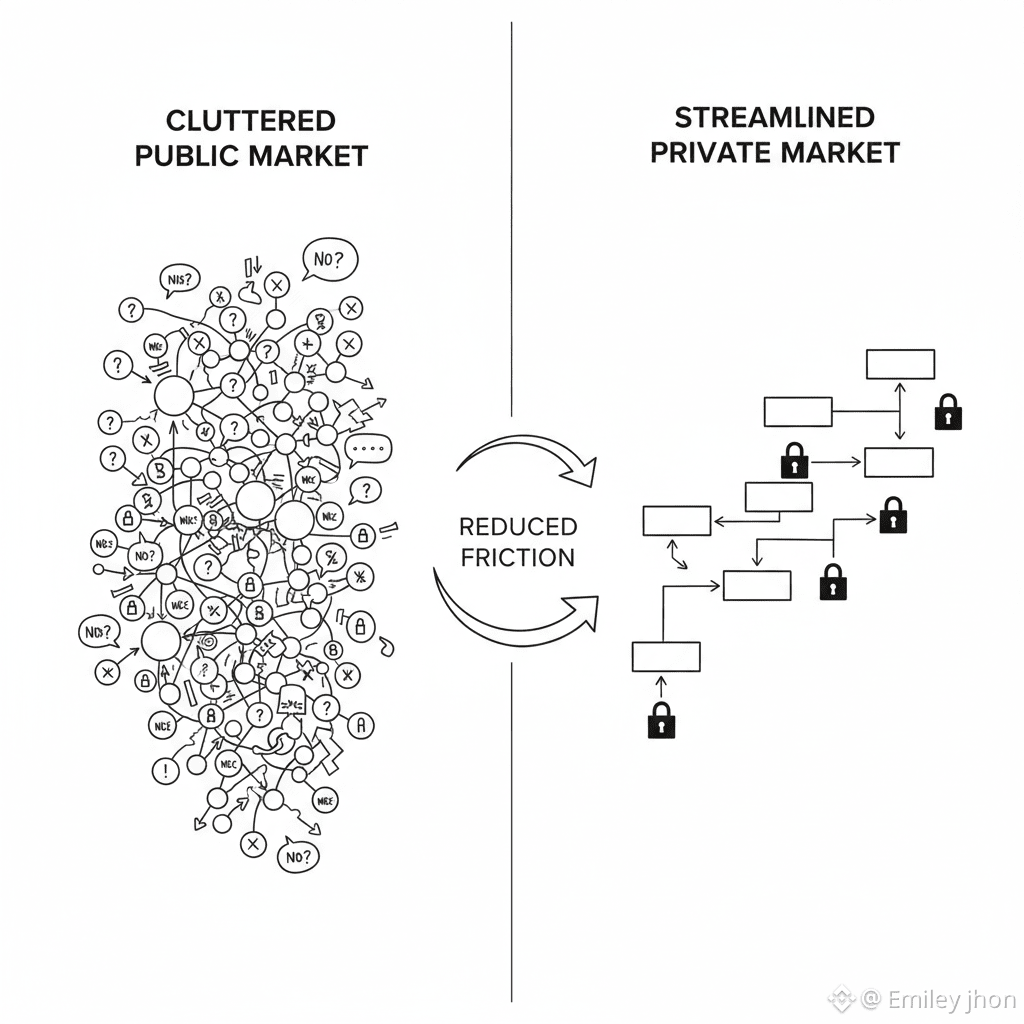
Public blockchains inadvertently create a system of signaling. Wallet watching, copy trading, and anticipatory front-running of trades turn normal interaction into strategic performance. Privacy undermines this performance. The VANRY system architecture subtly discourages speculative copy trading by making it more difficult to reverse-engineer intent. The effect is not darkness but a reduction in noise. Markets function more like dialogue than broadcasting.
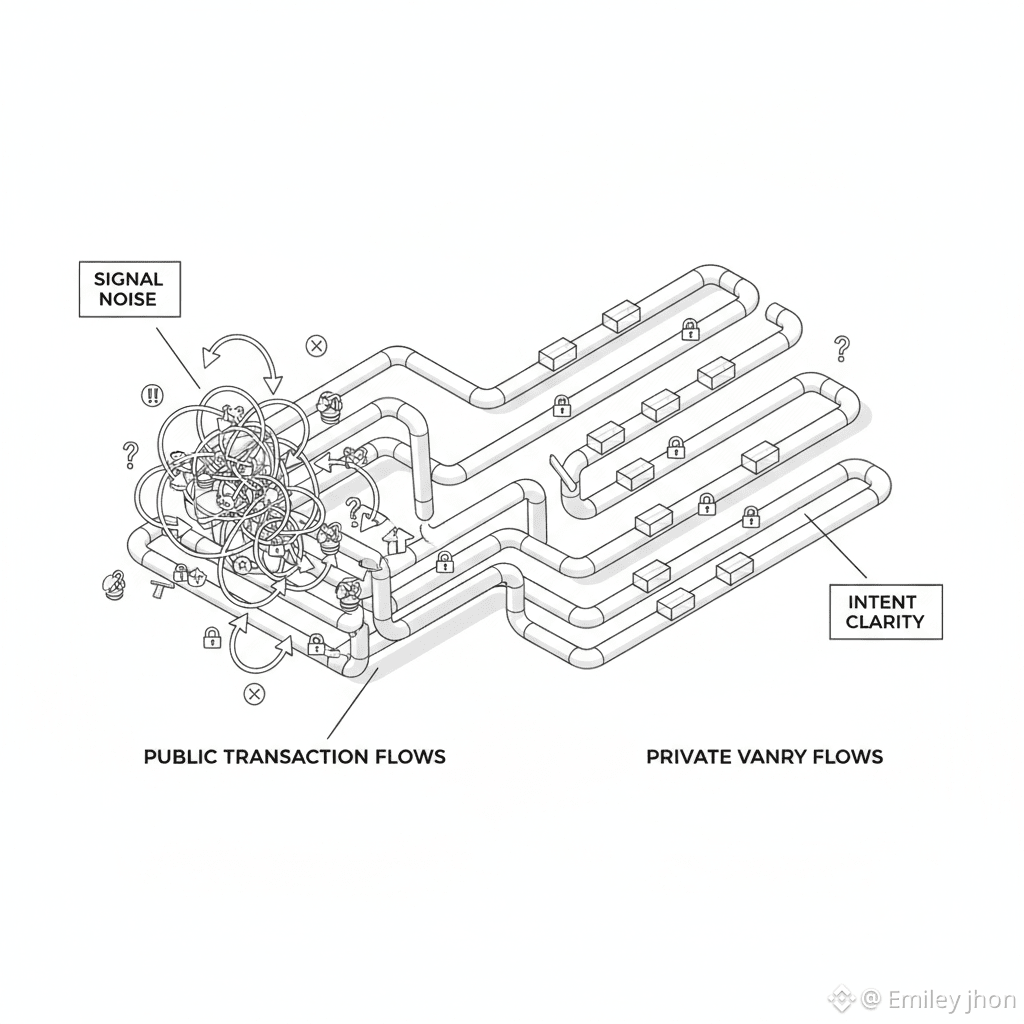
This has secondary effects. Pricing becomes more stable when fewer agents respond to shadows rather than substance. Trades happen quicker when agents do not posture for an audience. Governance models even out, as proposals are assessed on their merits rather than inferred power dynamics. Privacy becomes a coordination mechanism, not a secrecy mechanism.
Over time, secure interaction layers change culture. Agents behave rather than signal. Builders build for outcomes, not appearances. VANRY’s impact is not about louder infrastructure but about quieter economics, where the speed of meaning is greater because there is less irrelevant information being sent.
The long-term value of privacy will not be measured by what it protects but by what unnecessary complexity goes away when trust is no longer performative.#vanar
