There comes a point in trading where everything feels too fast. Candles print one after another headlines pull price in every direction and emotions sneak into decisions before you even notice. Most losses do not come from a lack of knowledge. They come from reacting instead of observing. Moving averages were never meant to be flashy tools. They exist to bring calm into chaos and to remind traders to look at the bigger picture.
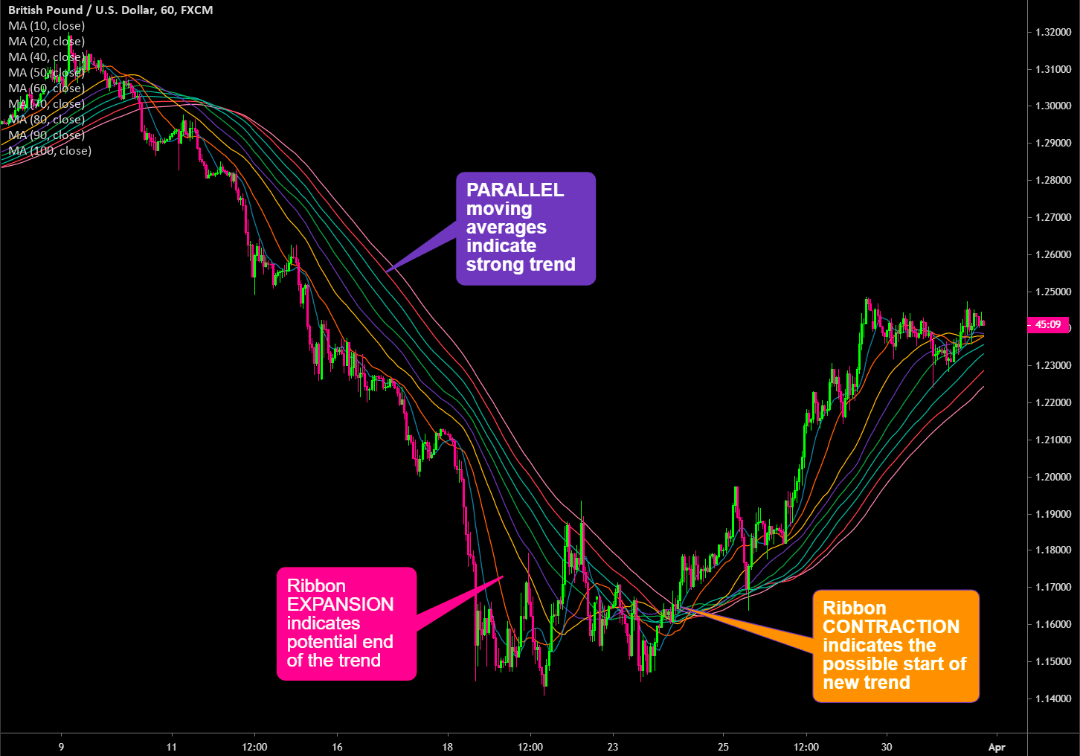
A moving average is simply the market taking a breath. It smooths out price over time so you can see where value is actually leaning. Instead of chasing every move you begin to notice direction rhythm and balance. Traders use moving averages to understand whether a market is trending drifting or quietly preparing for a shift. Over time they become less about signals and more about awareness.
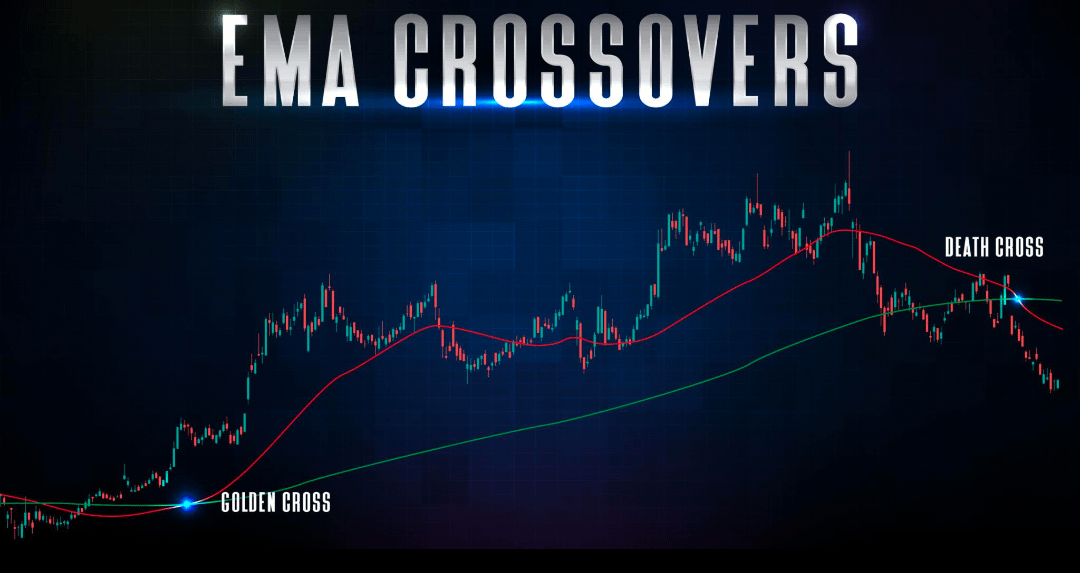
One of the first strategies traders encounter is the double moving average crossover. Two averages are placed on the chart one faster and one slower. When the faster average rises above the slower one it often means momentum is waking up. Buyers are starting to commit and price may be ready to travel. When that faster average falls below the slower one the opposite is true. Energy fades sellers gain confidence and risk increases. This approach works best when the market already has direction. It is not about catching bottoms or tops. It is about aligning yourself with momentum once it proves itself.
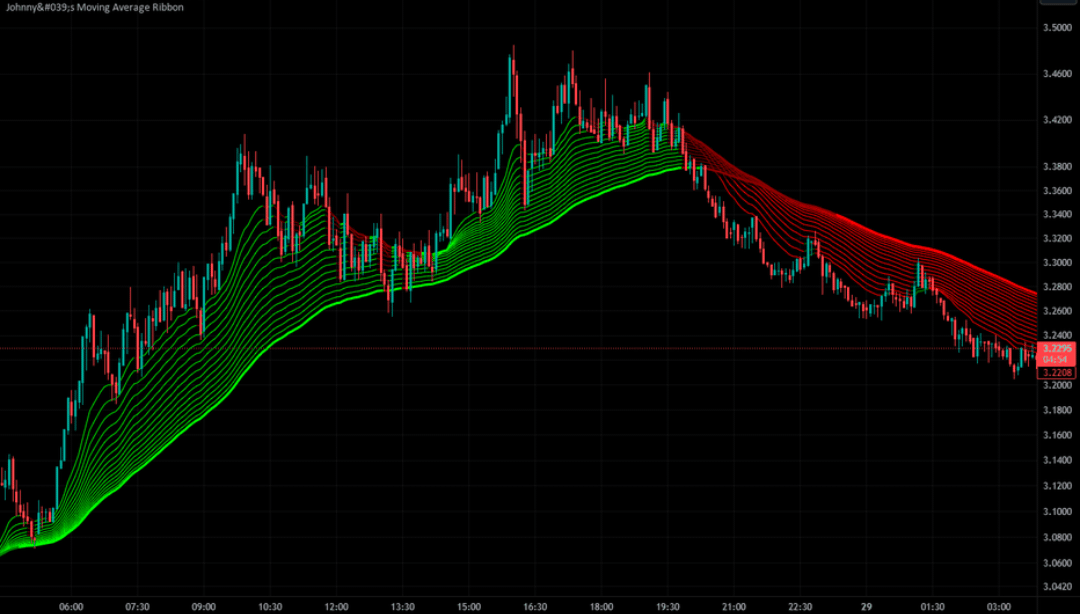
The moving average ribbon takes this idea further. Instead of two lines you watch several moving averages flow together. When they spread out and move in harmony the trend feels clean almost effortless. Price respects structure and pullbacks feel controlled. When those lines bunch together the market is uncertain. Direction is missing and patience becomes more valuable than action. The ribbon helps traders avoid forcing trades when the market has nothing to offer.
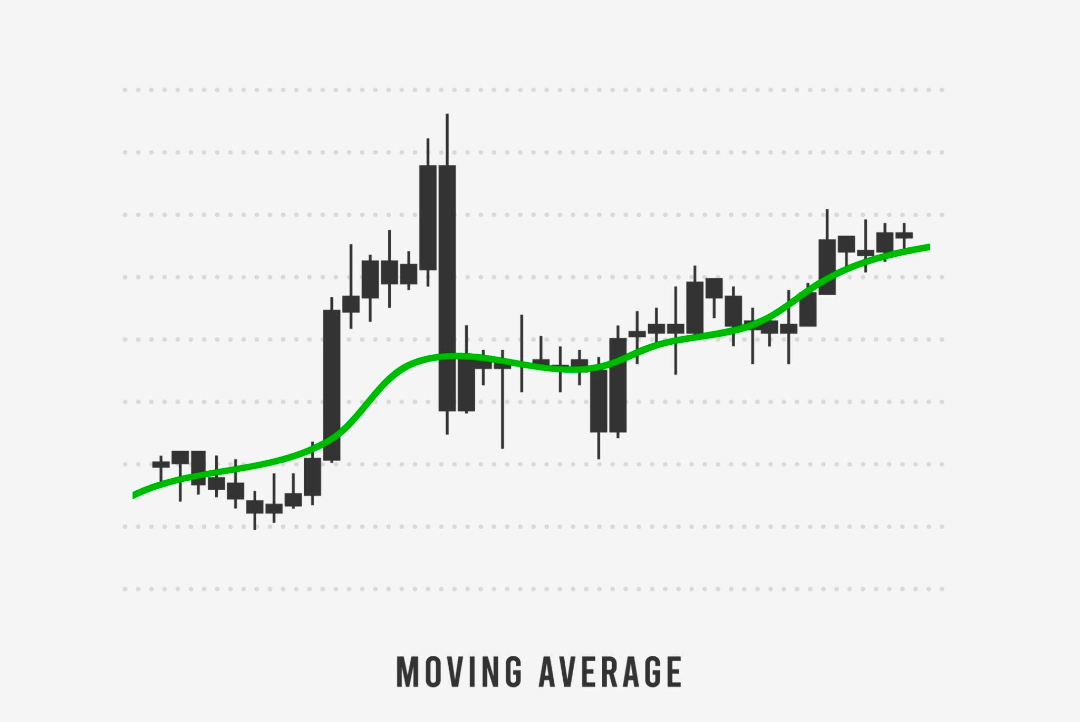
Moving average envelopes focus on emotion. They wrap price with boundaries above and below a central average. When price stretches too far beyond those limits it often reflects excitement or fear rather than balance. Markets rarely stay emotional forever. Eventually price drifts back toward its average. Envelopes help traders recognize when emotion may be running ahead of logic and when restraint can be more profitable than participation.
MACD looks beneath price and listens to momentum itself. It compares moving averages to reveal whether strength is building or fading. Sometimes price continues higher while momentum quietly weakens. Other times price drops but selling pressure loses force. These moments matter. They often appear before the crowd notices a change. MACD does not shout. It whispers. And traders who learn to listen gain an edge rooted in timing rather than prediction.
Moving averages will never remove uncertainty. Trading will always involve risk doubt and patience. What they offer is perspective. They slow your thinking. They replace impulse with structure. Over time they help you trade less but trade better. In a market that constantly tests discipline that quiet clarity can make all the difference.
#MarketClarity #TradingWithCalm
#MovingAverageMindset #PriceOverNoise