

The illusion of “using” stablecoins
Most people think they understand stablecoins because they have sent one.
They open a wallet, paste an address, confirm the transaction, and see the balance update on the other side. From a user perspective, it feels simple. Almost trivial.
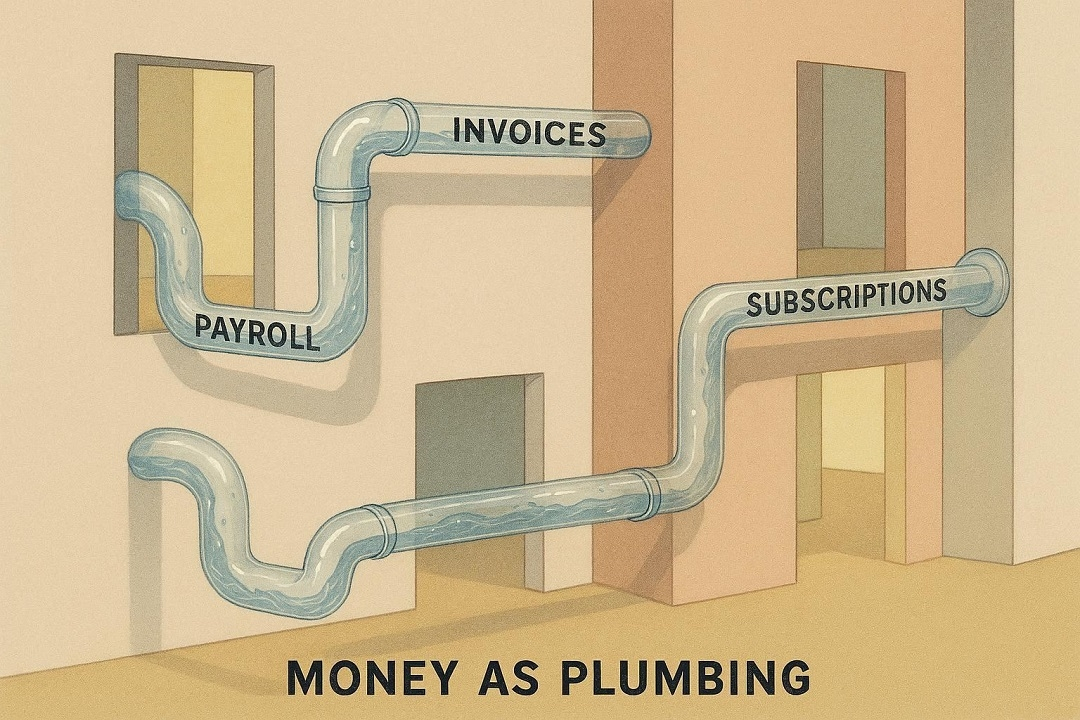
But businesses do not “send stablecoins.” They run payroll, pay suppliers, manage subscriptions, reconcile reports, and track treasury movements. And this is where stablecoins stop behaving like simple tokens and start colliding with operational reality.
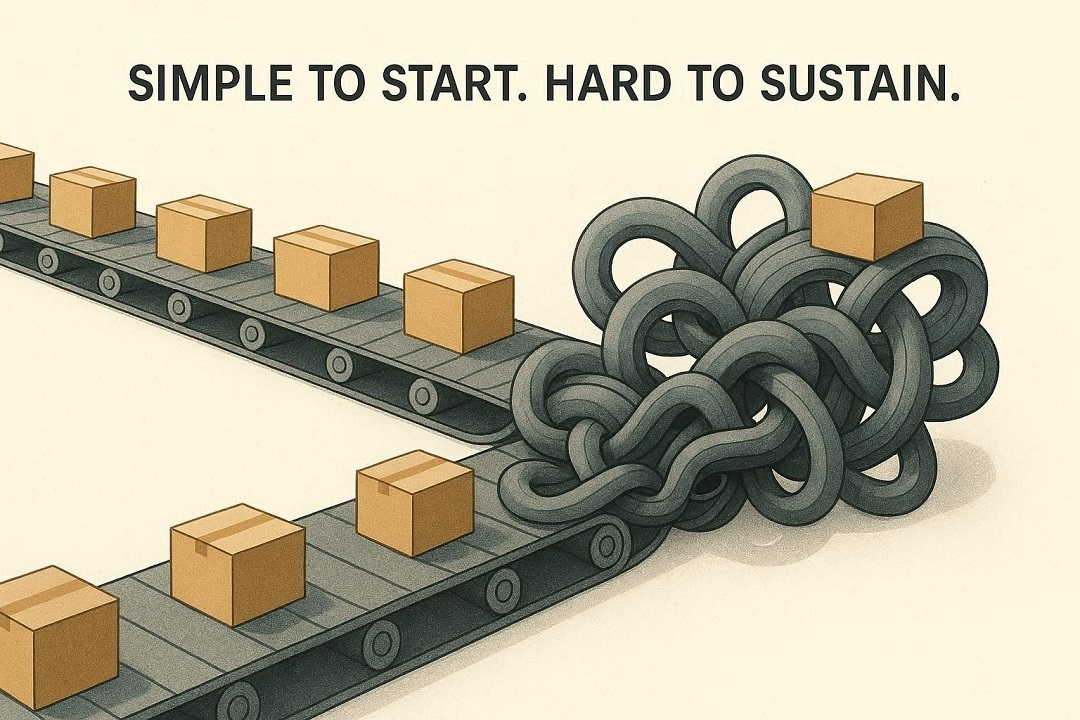
A transfer is easy. Repeating that transfer every day inside a business environment is not.
Where stablecoins stop feeling like products
In crypto, stablecoins are treated like assets.
In operations, they must behave like money.
That difference is subtle but critical. Assets are moved occasionally. Money moves constantly. Assets tolerate friction. Money cannot.
The moment stablecoins enter accounting systems, ERP tools, payroll flows, and reporting dashboards, their behavior matters more than their existence.
This is where many blockchains start to feel impractical.
The hidden cost of every payment
Payments don’t end at confirmation.
They continue in reconciliation, balance checks, invoice matching, and reporting updates. If any of these require manual intervention, the system does not scale.
This is why finance teams do not ask how fast a network is. They ask how often it creates problems after the transaction.
Reliability is measured in how little noise a payment creates in daily operations.
From wallets to workflows
When payments are built as token transfers, users must think about wallets, gas, signatures, and confirmations.
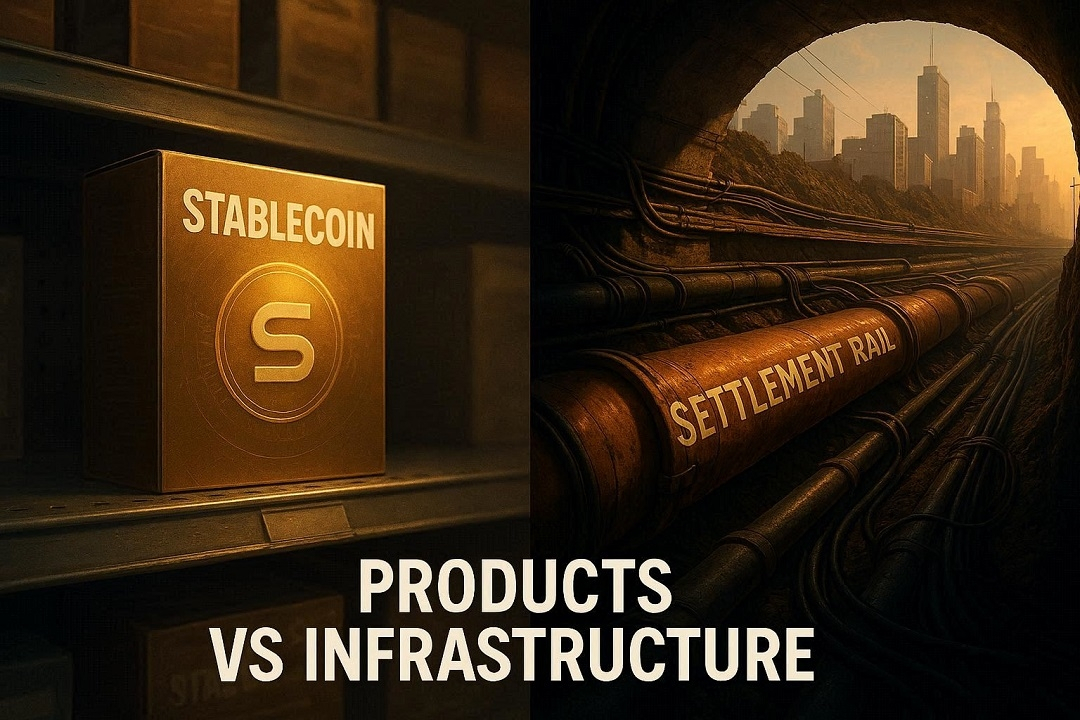
When payments are built as settlement rails, they integrate into existing tools. They feel like part of business logic rather than blockchain mechanics.
This is the moment when stablecoins stop feeling like crypto and start behaving like infrastructure.
Why Plasma is aligned with this shift
Plasma’s design reflects this operational reality described in its payments architecture and tools.
Stablecoin-native contracts, zero-fee USDT transfers, custom gas tokens, account abstraction, and confidential payments are not isolated features. They exist so stablecoin movements can integrate into real workflows without forcing teams to manage blockchain complexity.
The focus is not on showcasing transactions. It is on removing friction from repeated settlement.
When infrastructure becomes invisible
The best payment systems are the ones nobody talks about.
Because they don’t create work.
They don’t require explanations.
They don’t introduce new operational steps.
They simply allow money to move as part of everything else a business already does.
That is when stablecoins stop being products and quietly become plumbing.

