

Plasma (XPL) isn’t trying to be another all-purpose blockchain like Ethereum or Solana. Instead, it’s built from the ground up as a Layer-1 chain focused on just one thing: stablecoin payments and settlement. Every piece of its design leans into this goal. That means speed, low costs, and making stablecoin transfers dead simple—all while giving up some other typical blockchain traits, like deep decentralization, a massive developer ecosystem, or explosive short-term liquidity.
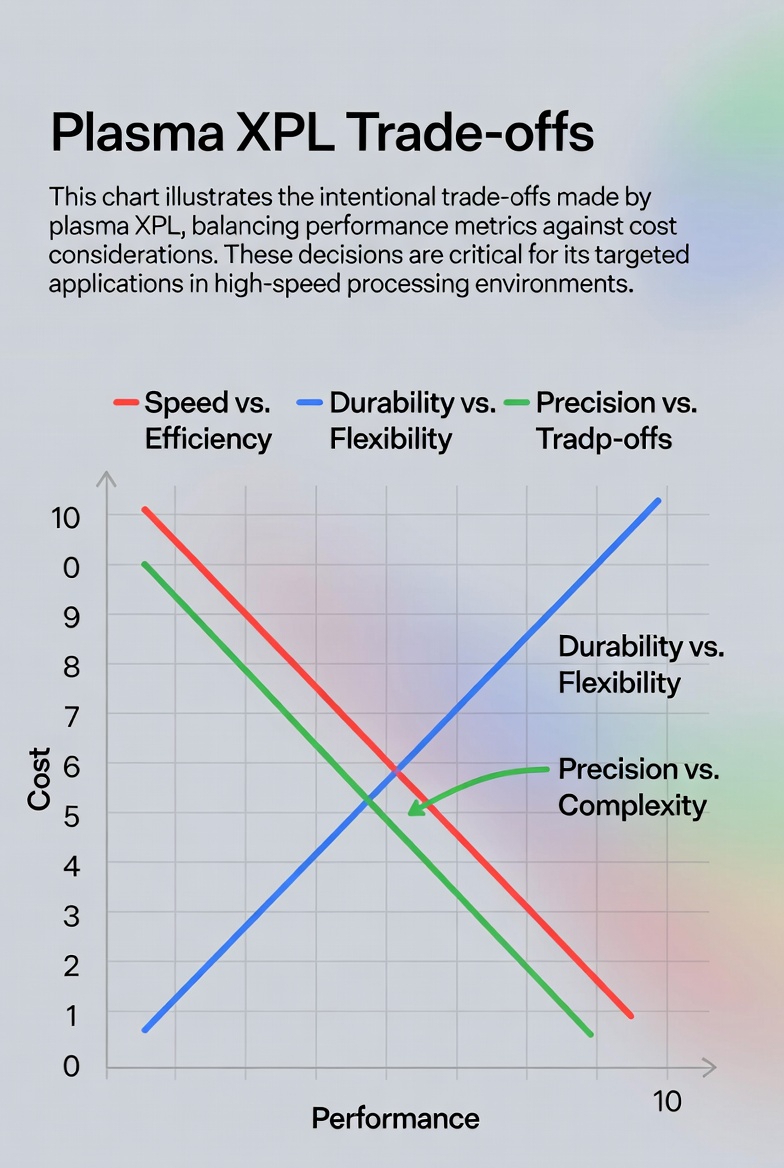
Let’s break down how that plays out.
First up: Plasma’s not interested in running every kind of dApp under the sun. The main thing that matters is handling a ton of stablecoin transactions fast. Its consensus mechanism, PlasmaBFT (a tweak on Fast HotStuff), locks in transactions at high speeds—over 1,000 TPS—with barely any lag. You won’t find many other blockchains that can keep up with that. But here’s the trade-off: if you’re building something outside the stablecoin niche, you won’t get the same support or tools you’d find on Ethereum. Plasma’s sticking to its lane, and at least for now, that lane is pretty narrow.
Then there’s the zero-fee angle. Plasma lets users send USDT without paying gas fees, thanks to a paymaster system that covers those costs. You don’t even need to hold the chain’s native token to move stablecoins around. That’s a huge improvement for anyone sick of juggling tokens just to send a few bucks. On the flip side, covering everyone’s fees gets expensive, especially if usage takes off faster than Plasma’s treasury can handle. If that happens, the no-fee model could start to wobble.
Security-wise, Plasma anchors itself to Bitcoin’s blockchain. This approach borrows Bitcoin’s legendary security by using a trust-minimized bridge but keeps things fast and flexible on Plasma’s own side. The catch? Withdrawing or verifying across chains gets trickier, and the whole system’s a bit more complicated than your average proof-of-stake setup. Plus, by leaning on Bitcoin, Plasma isn’t as decentralized as something like Ethereum.
For developers, Plasma offers a pretty soft landing. Its execution layer uses Reth, so it’s compatible with Ethereum—meaning you can deploy Solidity contracts with almost no tweaks. That’s great if you’re migrating from Ethereum, but it also means Plasma sticks with some of the EVM’s old baggage, which wasn’t really built for super-fast payments.
Finally, Plasma’s rolling out the red carpet for institutions. It’s got compliance features, privacy tools, and everything big players need to move money safely and legally. But by focusing on enterprise needs, Plasma attracts less of the retail crowd. You don’t see the same kind of wild trading or speculative frenzy here. That shows up in the numbers—despite a billion-dollar launch, the token’s price dropped fast, and on-chain activity hasn’t caught up with what the tech can handle.
Bo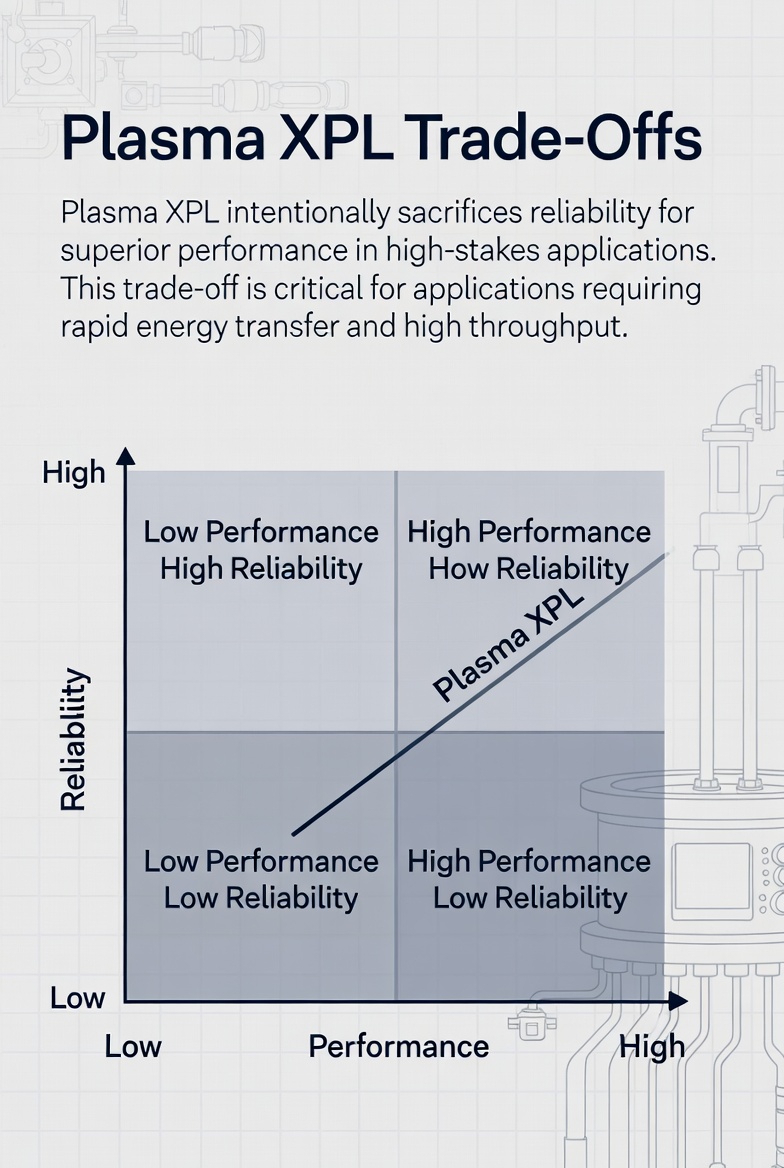 ttom line? Plasma made a series of conscious trade-offs. It’s betting on stablecoin efficiency, simple payments, and institutional trust, not trying to be everything for everyone. That focus helps it nail the user experience for its core audience, but it also means Plasma has a narrower appeal—at least for now.@Plasma #Plasma $XPL