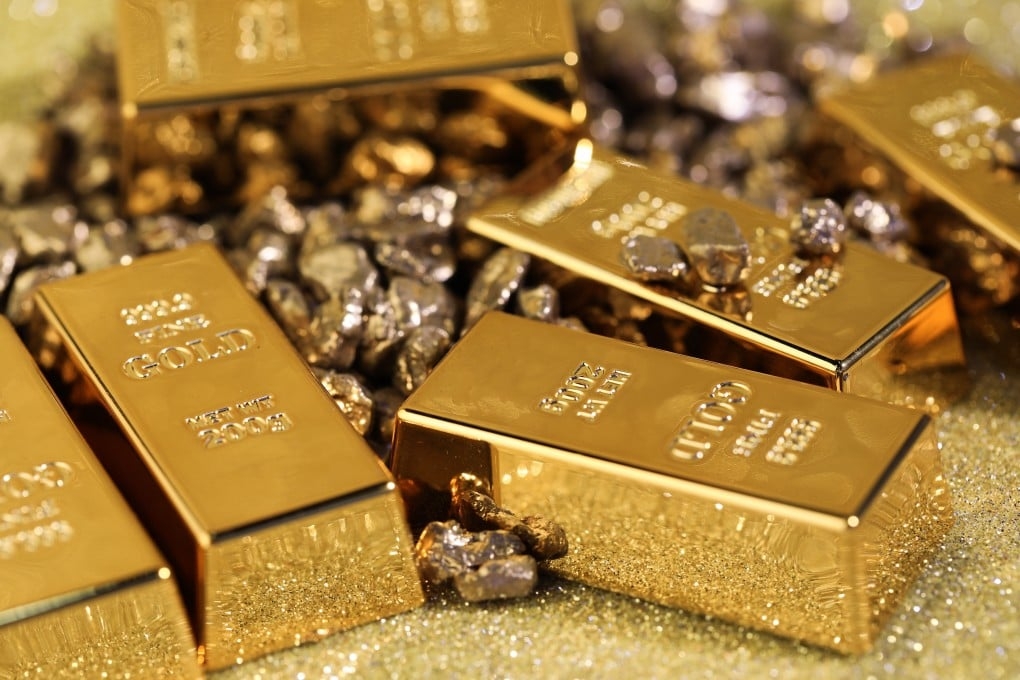
The global commodities market witnessed a dramatic resurgence on Wednesday as gold prices climbed back above the $5,000 per ounce threshold. This sudden rally follows a period of intense volatility and comes on the heels of renewed military friction in the Middle East. The catalyst for the latest spike was the U.S. military’s downing of an Iranian drone in the Arabian Sea after it reportedly approached an American aircraft carrier in an aggressive manner. This incident has reignited fears of a broader conflict, prompting investors to seek stability in traditional safe-haven assets.
A Year of Unprecedented Growth
The current price of $5,061 per ounce represents a staggering 80% increase compared to the same period last year. Throughout January 2026, the metal saw a meteoric rise, peaking at $5,500. However, the market faced a sharp correction last Friday—its biggest one-day decline since 1983—falling by 9%. This drop was largely attributed to President Donald Trump’s nomination of Kevin Warsh as the new chair of the Federal Reserve. Investors viewed Warsh as a stabilizing choice, which temporarily eased concerns regarding the independence of the central bank and the future trajectory of interest rate cuts.
Market Dynamics and Speculative Trading
The recent recovery is being characterized by some experts as a "buy the dip" phenomenon. Emma Wall, chief investment strategist at Hargreaves Lansdown, noted that while the recent slump was significant, the fundamental drivers supporting gold remain intact. She warned, however, that the market should brace for continued volatility. Factors such as upcoming interest rate decisions, the U.S. mid-term elections in November, and ongoing conflicts in both Ukraine and the Middle East are expected to keep the market on edge.
Silver Follows the Volatile Trend
Gold is not the only precious metal experiencing "rollercoaster" price movements. Silver also saw a recovery on Wednesday, climbing 5% to reach $92 an ounce. This follows a brutal 27% plunge last Friday. Despite these sharp fluctuations, silver remains a high-performer in the long term, currently valued at nearly three times its price from a year ago. The dramatic swings in both metals highlight a broader trend of market instability driven by global uncertainty.
Central Bank Influence and Future Outlook
Beyond geopolitical conflict, institutional buying remains a cornerstone of the high price floor for bullion. Central banks from nations such as China and Poland have continued to aggressively purchase gold to bolster their reserves. Additionally, Lindsay James, an investment strategist at Quilter, pointed out that emerging disruptions caused by AI in the technology and software sectors are adding to market jitters. As long as these technological and political "storms" persist, financial experts expect investors to continue flocking to gold as a primary shield against economic instability.
#ADPDataDisappoints #WhaleDeRiskETH #EthereumLayer2Rethink? #TrumpProCrypto