

Vanar Chain honestly feels like something you discover slowly, not something that shouts at you. The more time I spend in Web3, the more I realize that the loudest projects aren’t always the most usable ones. Mera khayal hai real value shows up when a chain feels natural to use, when you don’t have to overthink every transaction or interaction. That’s the vibe I get from Vanar Chain.
What makes Vanar different for me is how it treats AI as a foundation, not a feature. As an AI-native Layer-1 blockchain, it’s built to handle AI workloads from the start. Intelligent dApps, on-chain AI agents, and semantic memory aren’t just technical terms here, they’re about creating apps that actually remember users and adapt over time. In gaming and entertainment, this hits differently. Worlds feel more alive, interactions feel more personal, and experiences don’t reset every time you log back in. Bhaiyon, that’s the kind of detail users notice even if they don’t know the tech behind it.
Vanar Chain also seems very clear about where it wants to be used. Gaming, entertainment, the metaverse, PayFi, and tokenized real-world assets are areas where people already spend time and money. These sectors don’t need theory, they need speed, low costs, and reliability. Vanar being EVM-compatible makes it easy for builders, while its scalable, eco-friendly, high-speed, and low-cost design makes it comfortable for everyday users. You’re not constantly checking fees or waiting for confirmations, and that small comfort adds up fast.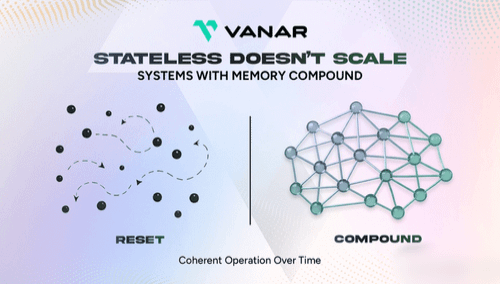
The VANRY token fits into this picture in a very practical way. It’s used for gas fees, smart contracts, staking, governance, and ecosystem rewards, so it actually moves with the network instead of sitting idle. I like when a token has a clear role because it keeps incentives aligned. For users in u s a markets, where efficiency matters more than hype, this kind of utility-first design feels realistic. I even tried it myself casually maine Binance pe VANRY trade kiya and the fast execution with low fees felt consistent with what Vanar aims to deliver on-chain.
Overall, Vanar Chain doesn’t feel rushed or forced. It feels like it’s being built with patience, focusing on real adoption instead of temporary attention. A Layer-1 that supports AI-driven apps, real user experiences, and long-term growth tends to earn trust slowly, and that trust usually lasts. If you’re watching how AI, gaming, and practical blockchain use are coming together, Vanar’s direction is genuinely interesting. Following @Vanarchain makes sense if you want to see how this story unfolds over time.
Do you think AI-native Layer-1 blockchains will change how users connect with dApps emotionally, not just technically? Which Vanar Chain use case feels most natural to you right now, gaming, PayFi, or tokenized real-world assets? How much do low fees and smooth speed affect whether you keep using a blockchain long term? And what would personally make you stick with one chain instead of hopping to the next new thing?