

I’ve watched countless crypto tokens rise on hype and fade just as fast. For a long time speculation was the dominant force price action mattered more than purpose. But as the market matures, I’m seeing a clear shift toward utility-first tokenomics. $VANRY is one of the clearest examples of this transition moving from speculative narratives to a subscription-driven economic model that actually makes sense for long-term adoption.
THE PROBLEM WITH SPECULATION-ONLY TOKENS
Most early-stage tokens rely heavily on market sentiment. Demand is emotional, cycles are brutal, and value isn’t anchored to real usage. I’ve learned that when a token’s only use case is trading sustainability becomes fragile. What’s missing is a recurring reason to hold and use the token something predictable measurable and tied to real activity.
That’s where subscription-based utility changes everything.
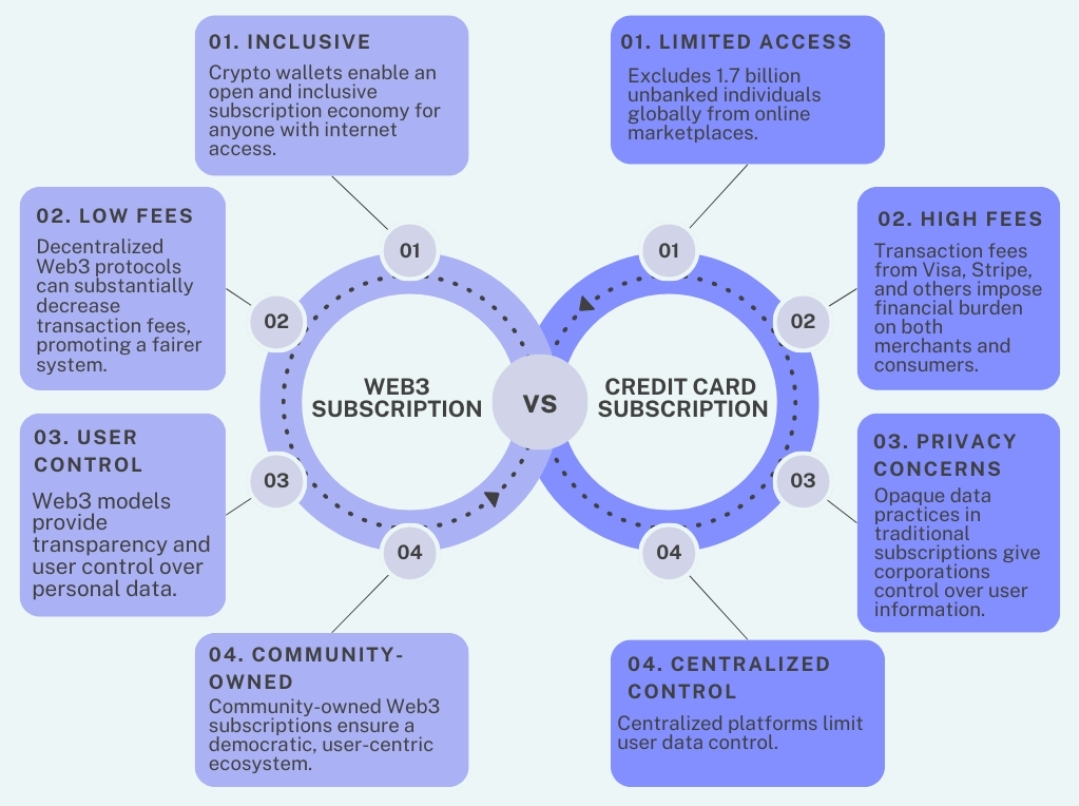
WHY SUBSCRIPTION MODELS MATTER IN Web3
In traditional tech, subscriptions power some of the most successful businesses. They create steady demand, predictable revenue, and long-term user relationships. Translating this idea into Web3 isn’t easy, but when it’s done right, it aligns incentives across users, builders, and token holders.
With $VANRY, I see a token that’s not just held but consumed as part of ongoing access to infrastructure tools and services. That alone changes the demand curve.
FROM HOLDING TO USING: VANRY’s UTILITY SHIFT.
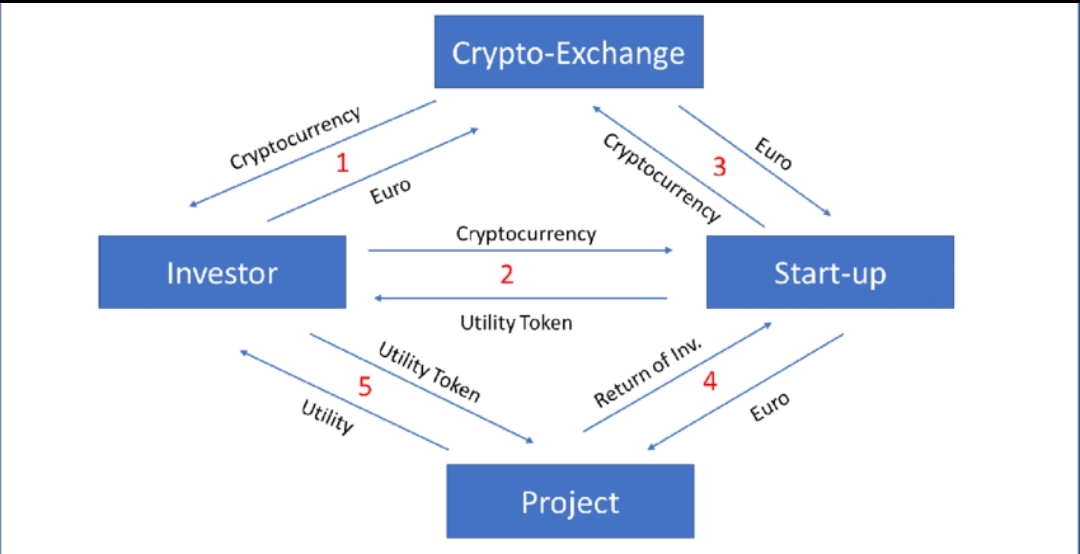
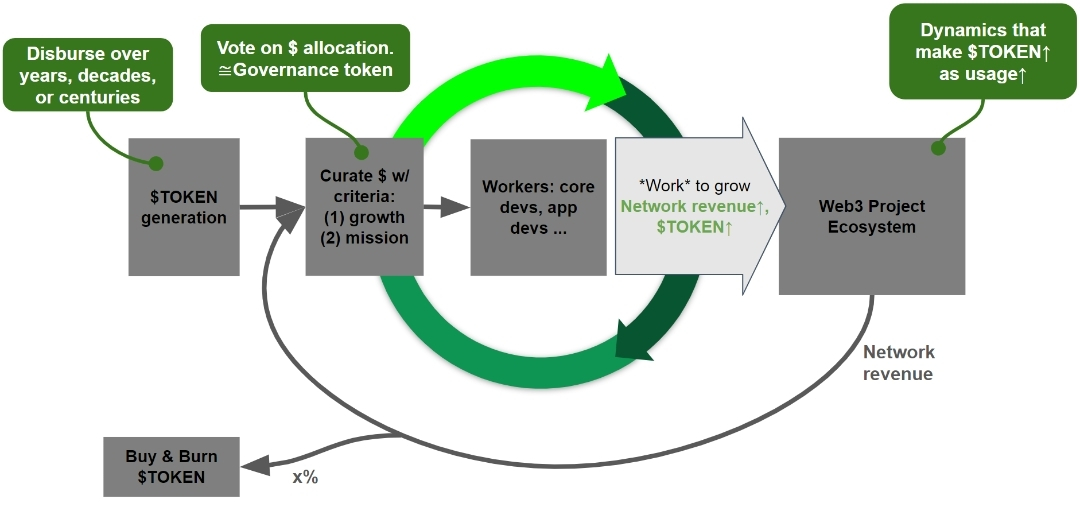
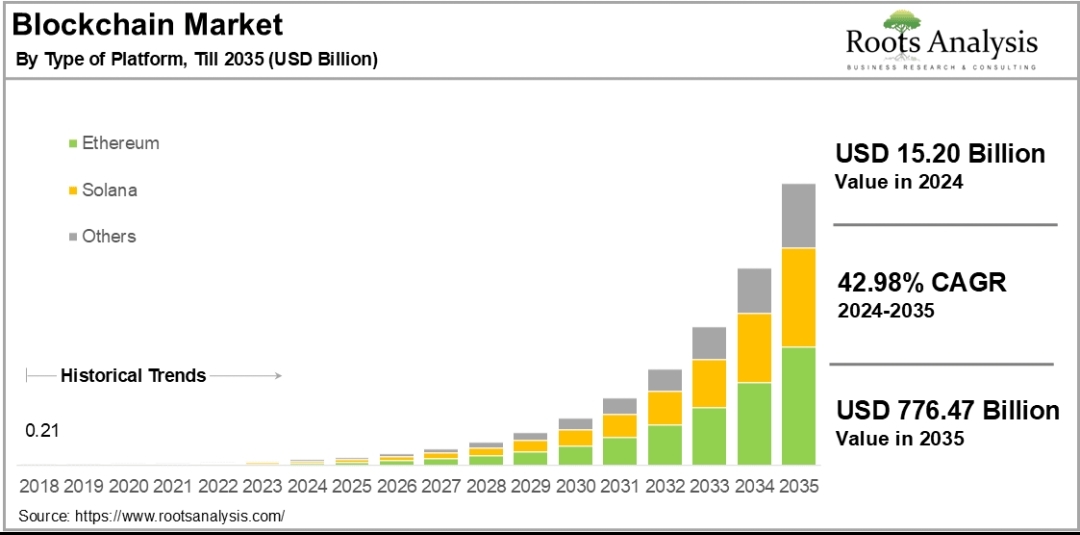
What stands out to me is how VANRY reframes token demand. Instead of relying on hype cycles, demand is generated through continuous usage. Developers, creators, and enterprises don’t just buy VANRY hoping for price appreciation—they need it to operate within the ecosystem.
This creates a powerful loop:
Users subscribe to services using VANRY
Tokens are continuously utilized, not just traded
Ecosystem growth feeds real demand
Long-term holders benefit from sustained utility
It’s a cleaner, more rational token economy.
SUBSCRIPTION UTILITY IN PRACTICE
When I look deeper, VANRY functions as access fuel. Whether it’s infrastructure usage platform tools, or ecosystem services the token becomes a gateway rather than a gamble. Subscriptions introduce time-based value users pay not once but continuously anchoring VANRY to real economic activity.
This model also reduces extreme volatility over time. Demand isn’t just event-driven; it’s ongoing.
COMPARING OLD vs NEW TOKENOMICS
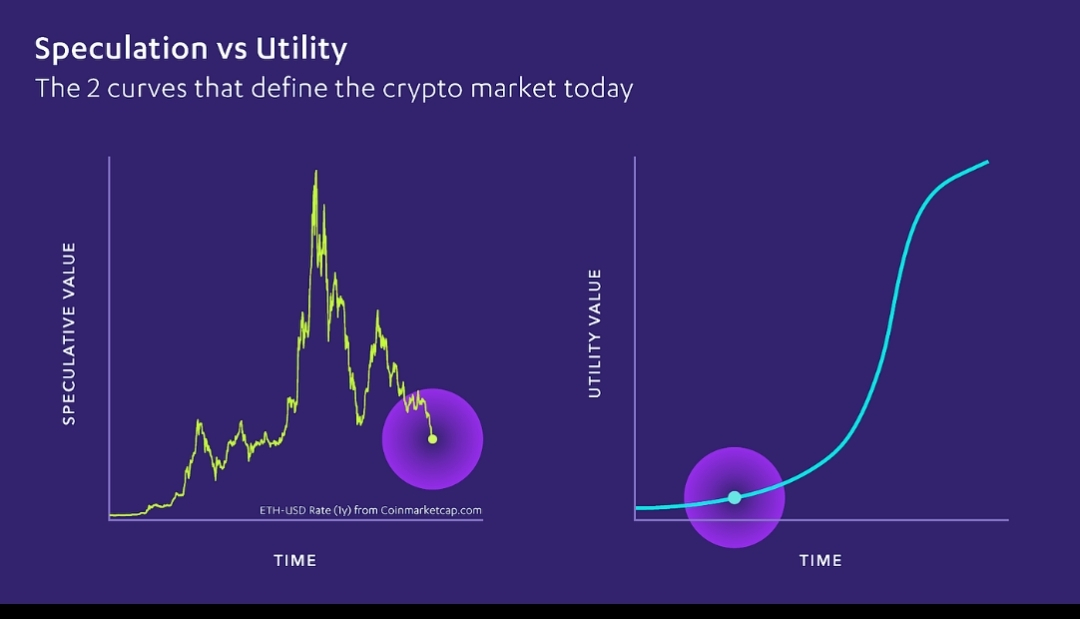
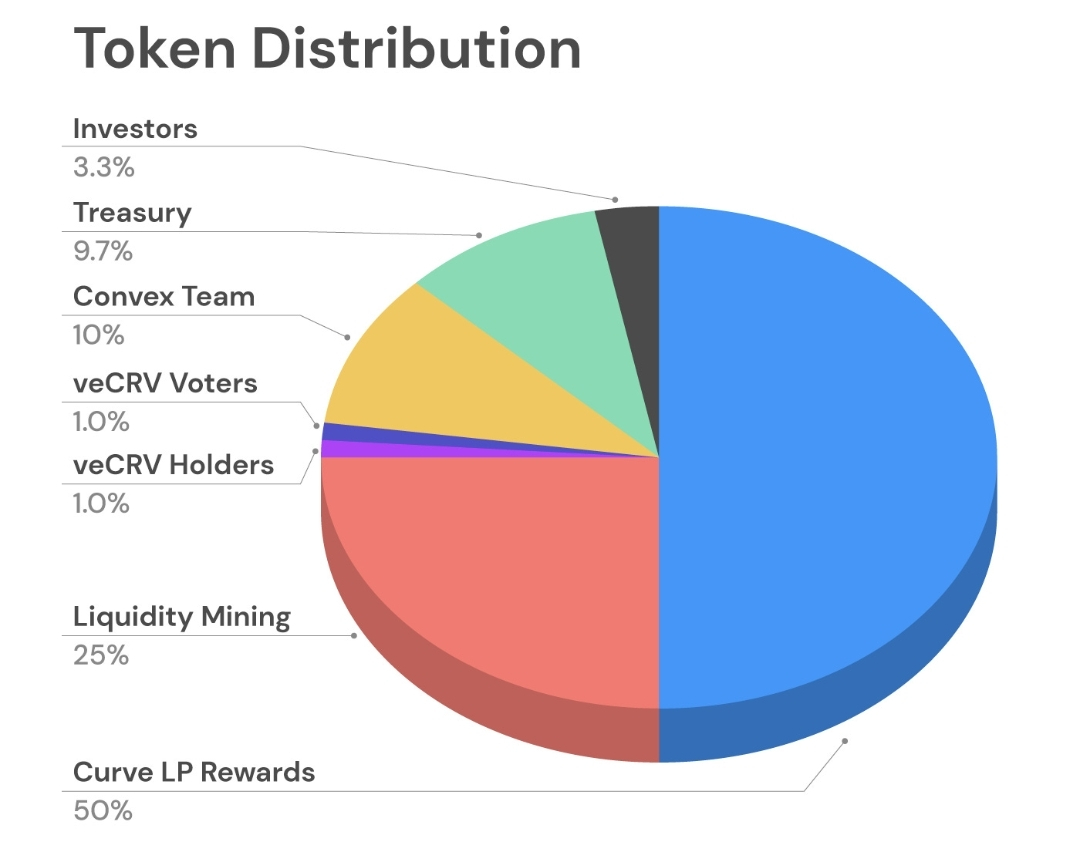
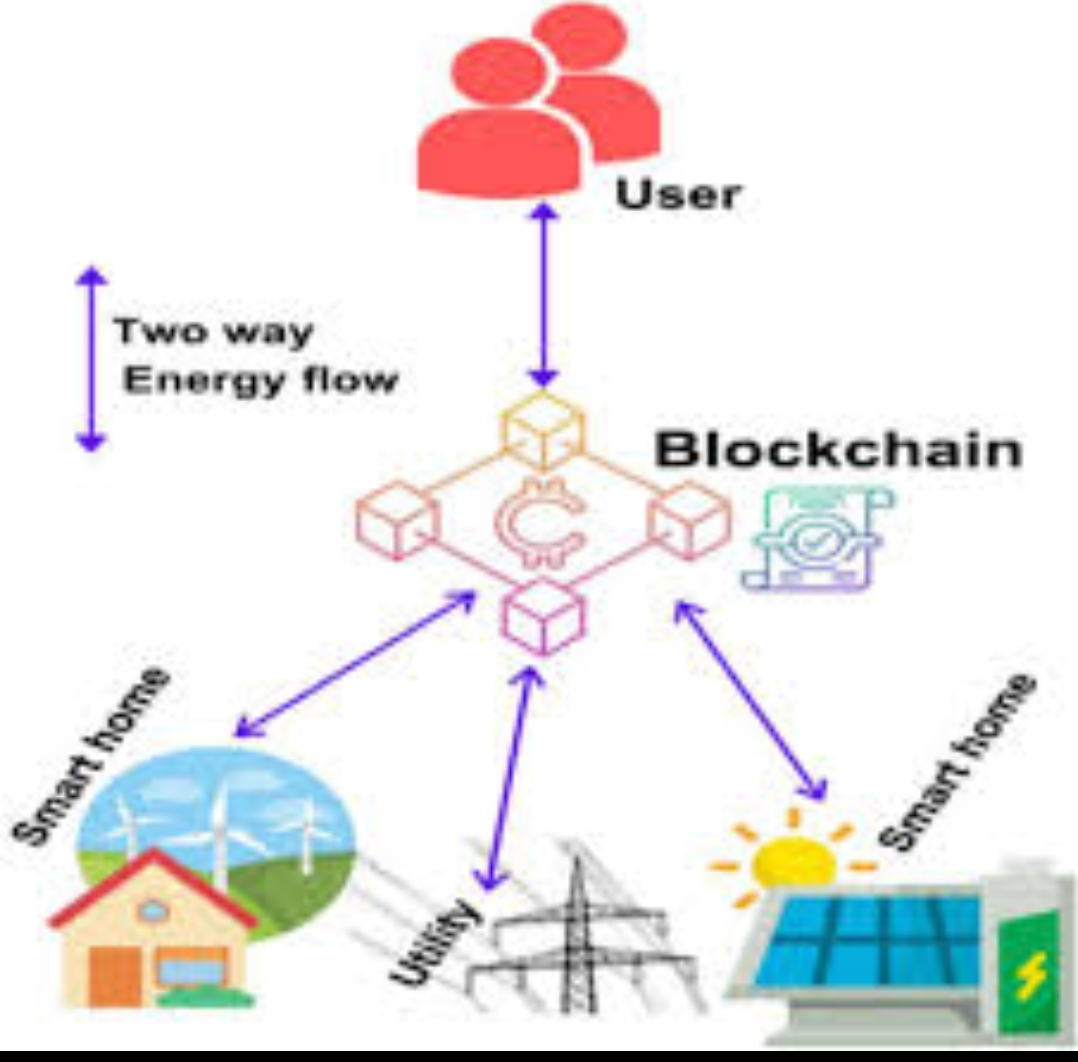
From my perspective, this is the real evolution:
Speculative Model: Buy → Hold → Sell
Utility Model: Buy → Use → Renew
That single shift changes everything. Tokens stop behaving like lottery tickets and start acting like digital commodities with clear purpose.
WHY THIS MATTERS FOR LONG-TERM VALUE
Sustainable value doesn’t come from attention—it comes from dependency. When users need VANRY to access services, the token earns relevance. Over time, that relevance compounds. Builders align with the ecosystem, users stay longer, and the network effect strengthens.
I also see this as a more regulation-friendly approach. Utility-based demand tied to real services is easier to justify than pure speculation especially as global frameworks mature.
THE BIGGER PICTURE FOR VANRY
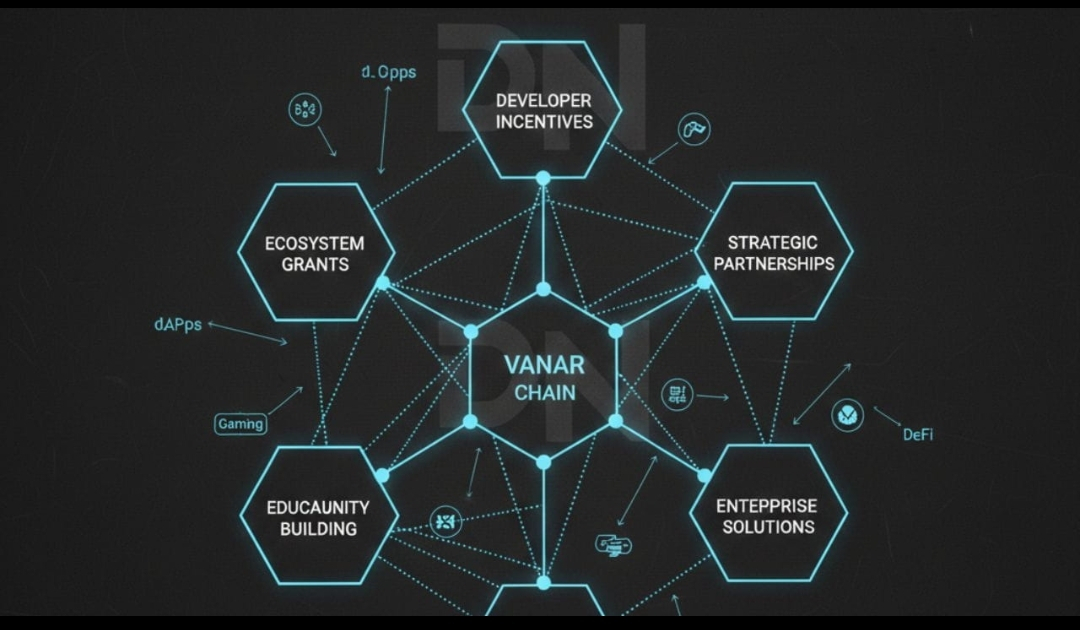
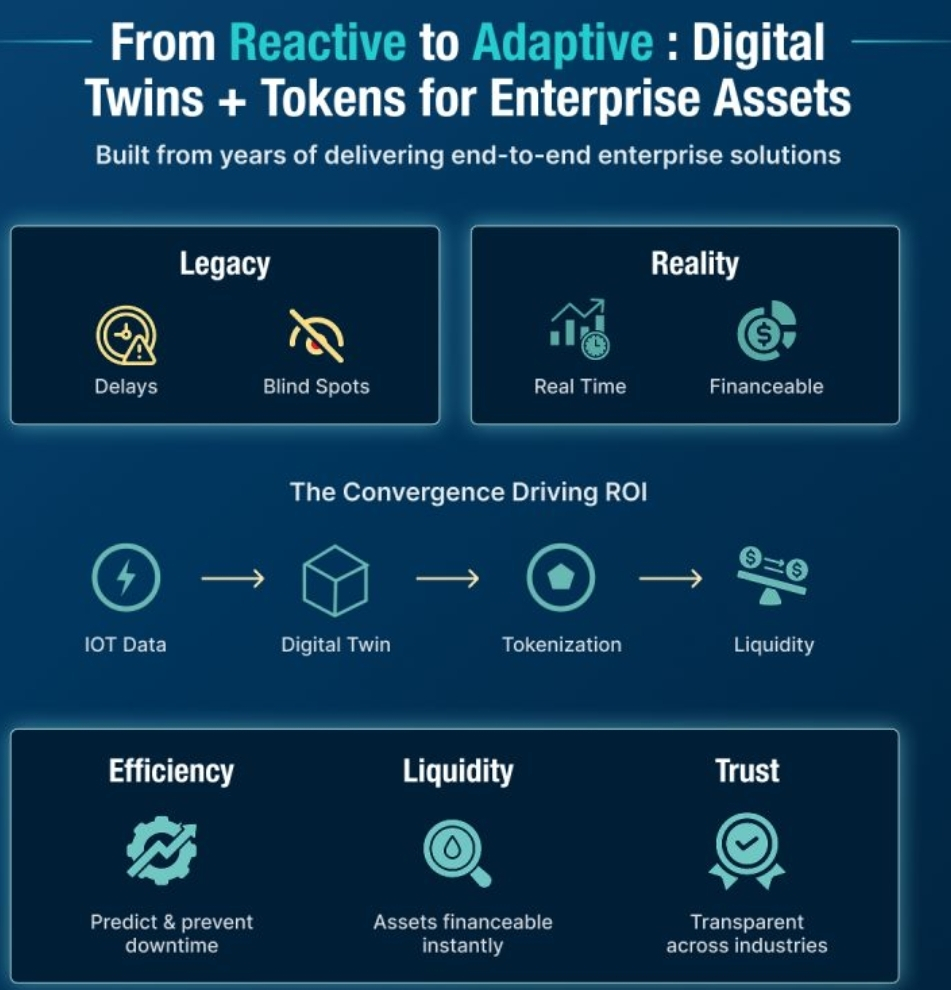
What excites me most is that VANRY isn’t trying to reinvent speculation it’s trying to outgrow it. By embedding subscriptions into tokenomics it positions itself closer to real digital infrastructure than a meme-driven asset.
In a market that’s slowly growing up, this shift feels inevitable.
FROM MY POINT OF VIEW $VANRY represents where token design is heading not where it’s been. Moving from speculation to subscription isn’t just a narrative upgrade it’s an economic one. Tokens backed by continuous utility will outlast hype cycles and VANRY is clearly building in that direction.
This is the kind of tokenomics I’m paying attention to now quietly practical structurally sound and designed for the long run.