
I have been watching Washington long enough to recognize the feeling in the air when a policy fight stops being about policy. This is one of those moments. The crypto bill moving through Capitol Hill should have been a technical debate about market structure, consumer protection, and how the United States wants to position itself in a rapidly changing financial world. Instead, it has turned into another reminder of how deeply politics, personality, and ethics are now intertwined. I have been watching lawmakers brace themselves not for amendments or hearings, but for the gravitational pull of Donald Trump and the questions his involvement always drags into the room.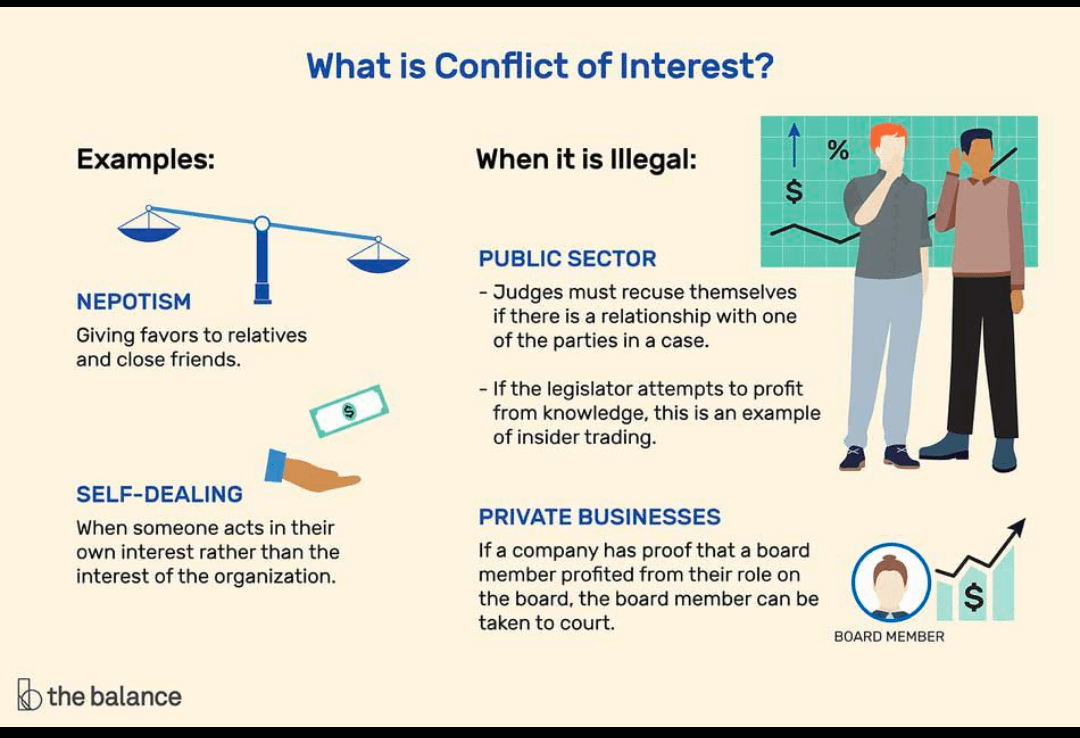
I spent weeks on research following how this bill evolved, and what stands out is how quickly the conversation shifted. At first, staffers and members spoke about clarity for innovators, guardrails for investors, and keeping crypto businesses from fleeing overseas. Quietly, the bill had momentum. Then Trump entered the frame, not directly writing legislation, but looming over it through his public embrace of crypto projects, NFTs, and political fundraising tied to digital assets. Almost overnight, a technical bill became an ethical stress test.
I have been watching Democrats argue that this is exactly why they warned against rushing crypto legislation without airtight rules. To them, Trump’s growing crypto footprint is not incidental, it is proof of concept for the risks they fear. When a former president, and possibly a future one, can personally profit from an industry while shaping the political narrative around it, the line between public policy and private gain starts to blur. They see the bill as vulnerable, not because of what is written in it, but because of who might benefit from its passage.
Republicans, meanwhile, sound torn in ways that feel familiar. I have been watching some defend the bill on principle, insisting that policy should not be frozen because of one political figure, even one as dominant as Trump. Others lean into the moment, framing Trump’s crypto enthusiasm as validation that digital assets are mainstream, patriotic, and aligned with American innovation. The ethical concerns, they argue, are either overblown or selectively applied, another weapon in a long-running political war.
What makes this standoff heavier is the memory it activates. I have been watching lawmakers recall the ethics fights of Trump’s presidency, the arguments over hotels, foreign spending, and conflicts of interest that never fully resolved. This crypto bill feels like a sequel to that era, not a new chapter. It revives the same uncomfortable question: can Congress realistically separate legislation from the financial interests of powerful political actors, or has that boundary already eroded beyond repair?
I spent time reading between the lines of committee statements and anonymous staff quotes, and the anxiety is unmistakable. Some lawmakers worry that even if the bill passes, it will be politically radioactive. Supporting it could later be framed as enabling Trump’s personal enrichment. Opposing it could be painted as anti-innovation or partisan obstruction. The policy details almost feel secondary to the optics, and that is what troubles many on the Hill most.
I have been watching crypto advocates grow increasingly frustrated. From their perspective, this industry has waited years for regulatory clarity, only to see the moment hijacked by politics yet again. They argue that ethical safeguards already exist, that personal business ventures should be handled through disclosure and enforcement, not by stalling legislation that affects millions of users and billions in economic activity. Still, even some of them admit privately that Trump’s presence complicates everything.
What strikes me, after all the time I spent on research, is how small the margin for trust has become. This debate is not just about crypto or Trump. It is about whether Americans believe Congress can act in good faith when money, power, and politics collide. Every side seems aware that whatever happens next will be interpreted through that lens. If the bill moves forward, critics will scrutinize every benefit, real or perceived. If it stalls, supporters will point to fear and dysfunction as the true enemy.
I have been watching Capitol Hill brace itself, not for a clean vote, but for fallout. This is another reminder that in today’s Washington, even the most technical legislation can become a mirror reflecting deeper fractures. Crypto just happens to be the surface where those fractures are visible right now. Whether the bill survives or not, the ethics standoff it has triggered will linger, shaping how future policy fights are framed whenever powerful figures stand to gain.