

When a new network launches, the first thing people usually ask about is price. I tend to look elsewhere. Liquidity tells a more honest story, especially in the early days. It shows not just who’s paying attention, but who’s willing to stay.
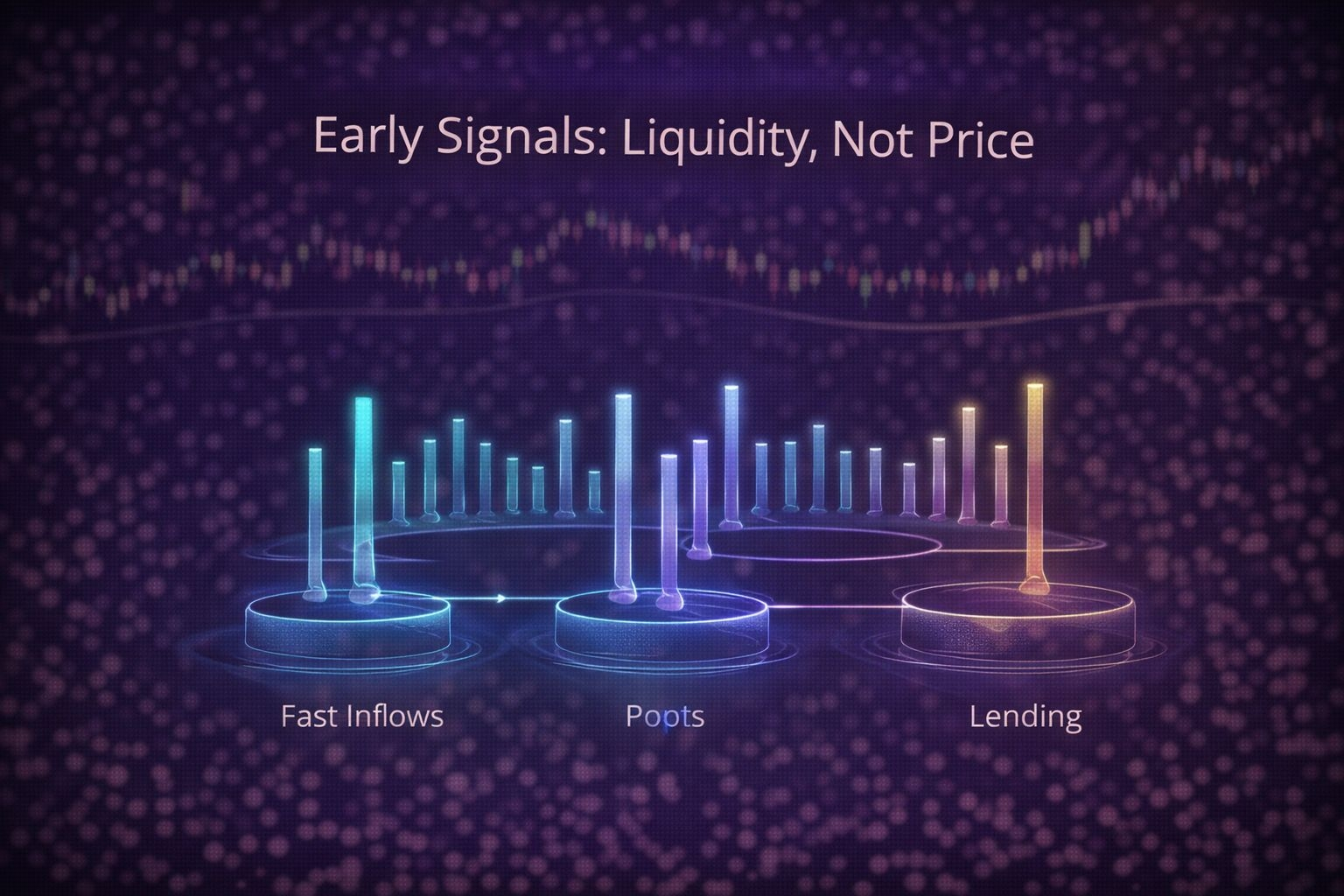
Watching Plasma after launch, what stood out wasn’t explosive numbers or dramatic headlines. It was how liquidity began to settle in rather than rush through. That distinction matters. Fast inflows followed by fast exits are easy to spot. What’s harder to fake is liquidity that sticks around long enough to be used.
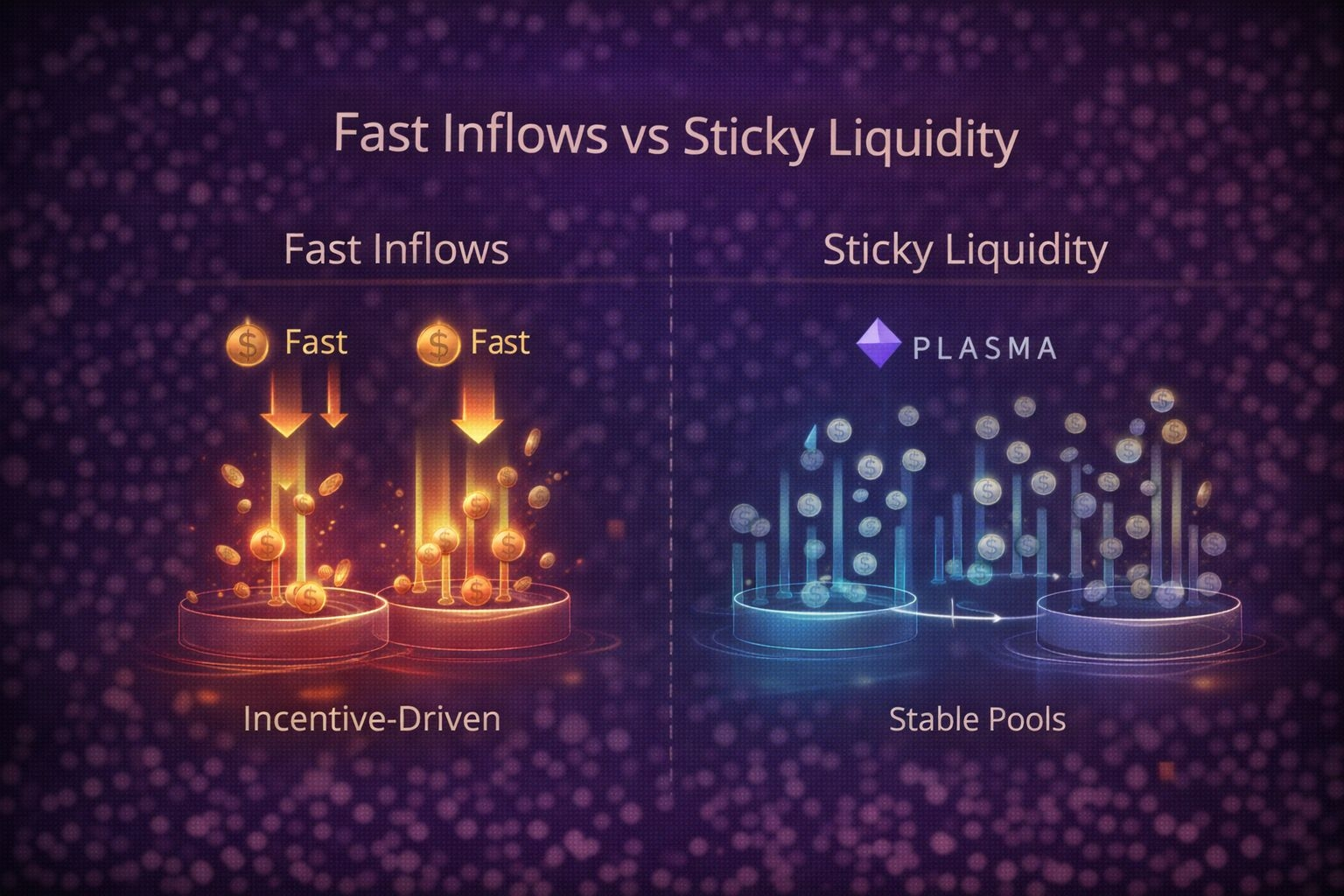
Early DeFi activity on Plasma feels like it’s forming with intention. Instead of dozens of protocols racing to deploy at once, what’s emerged so far looks more selective. A smaller set of applications is drawing capital, and that capital appears to be interacting rather than just parking temporarily. In the context of a new network, that’s usually a healthier signal than raw TVL alone.
I’ve noticed that post-launch environments often fall into one of two patterns. Either incentives dominate everything, pulling in liquidity that vanishes as soon as rewards taper off, or usage grows more slowly, shaped by actual demand. Plasma’s liquidity growth so far leans closer to the second pattern.
Part of that may be timing. The DeFi landscape today is less forgiving than it was a few years ago. Users are more cautious, and capital tends to wait for clearer signals before committing in size. That means early TVL numbers don’t need to be dramatic to be meaningful. What matters more is how liquidity behaves once it arrives.
On Plasma, liquidity appears to be interacting with core DeFi primitives rather than chasing short-term yield loops. Swaps, pools, and lending activity are forming the base layer which is usually where durable ecosystems start. Before complex strategies and composability can emerge simple functions need to work smoothly. That groundwork seems to be the focus here.
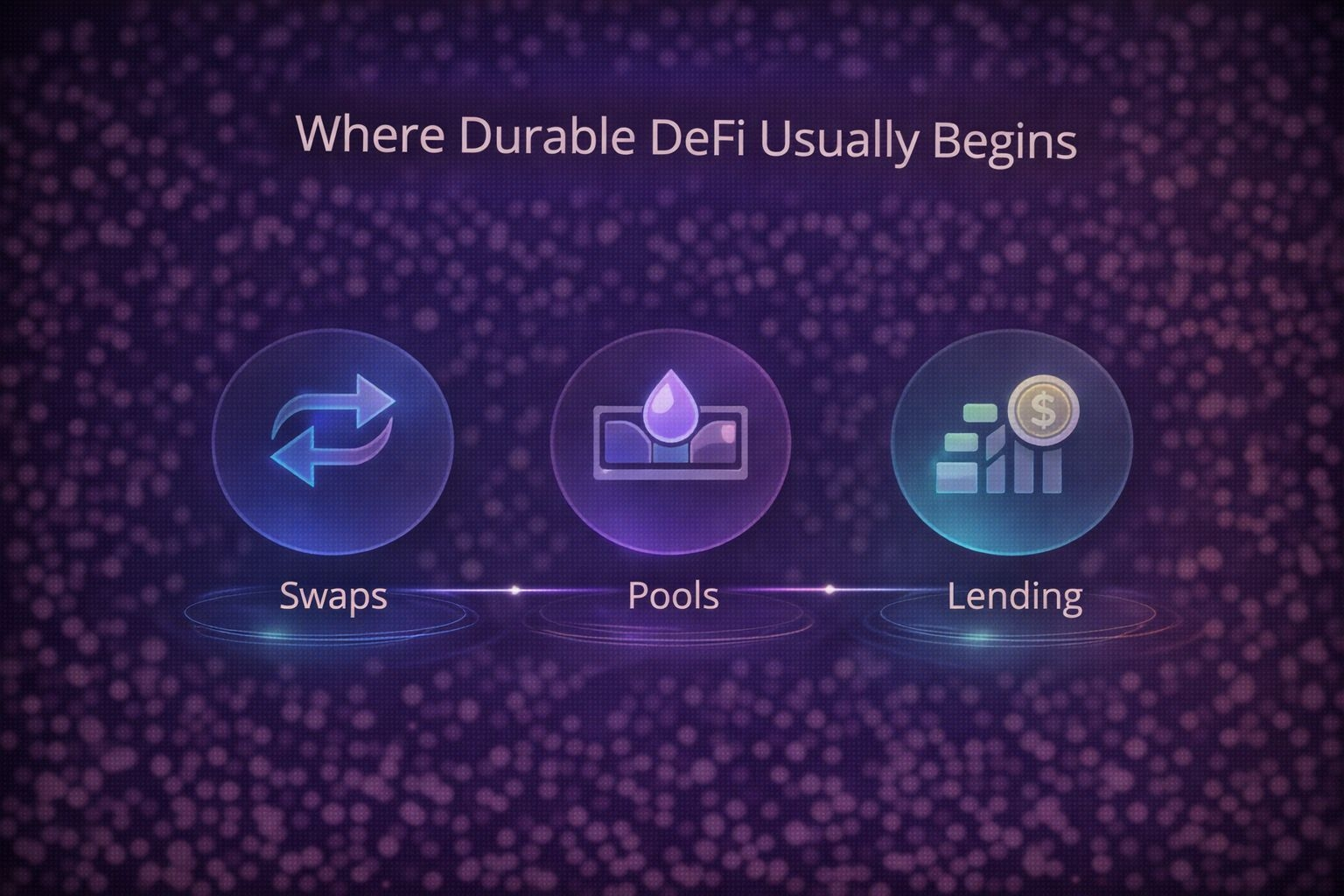
What’s also interesting is the pace. There’s no sense of urgency being manufactured. Protocols aren’t rushing to prove dominance, and liquidity providers don’t seem pressured into constant repositioning. That slower rhythm often reflects confidence that the network doesn’t need to force growth through incentives alone.
TVL, of course, is still an early metric. It’s tempting to compare Plasma’s numbers to more established networks, but that comparison rarely adds much insight. Context matters more than scale at this stage. The question isn’t how big the TVL is, but whether it’s being used in ways that make sense for the network’s goals.
From what I can see, Plasma’s TVL is distributed across a manageable number of protocols rather than fragmented across too many experiments. That concentration can be a strength early on. It allows liquidity to deepen instead of spreading thin, which improves user experience and reduces slippage two things that matter more to real users than theoretical growth curves.
Another thing worth paying attention to is how DeFi teams themselves are approaching the network. There’s a difference between deploying a protocol everywhere and choosing where to build meaningful integrations. The projects showing up on Plasma don’t feel like they’re just checking a box. They appear to be treating the network as a place to grow alongside, not just extract from.
That mindset influences liquidity behavior more than most people realize. When builders commit, liquidity tends to follow with more patience. When builders treat a chain as temporary, liquidity does the same.
What I find refreshing is the absence of exaggerated narratives. Plasma isn’t being framed as the “next everything,” and that restraint may actually help it. Liquidity providers are increasingly skeptical of grand claims. They’ve seen too many ecosystems burn brightly and fade just as fast. A quieter launch sets different expectations.
There’s also something to be said for how users interact with early DeFi protocols on Plasma. Activity feels exploratory rather than exploitative. People are testing, swapping, providing liquidity, and observing outcomes instead of aggressively farming and exiting. That kind of behavior doesn’t show up in marketing materials, but it shows up on-chain.
In many ways, this stage is the most important. Early liquidity patterns tend to shape how an ecosystem evolves. If incentives dominate too early, protocols struggle to transition later. If usage comes first, incentives can be layered in more thoughtfully. Plasma seems to be leaning toward the latter approach.
That doesn’t mean growth will be linear or smooth. New networks almost always experience pauses, rotations, and recalibrations. Liquidity moves as conditions change. But starting from a place where TVL reflects actual interaction rather than pure speculation gives the ecosystem more room to adapt.
It’s also worth remembering that DeFi doesn’t mature overnight. The most resilient ecosystems didn’t start with massive TVL. They started with a few core protocols, consistent usage, and liquidity that learned how to behave on that network. Plasma appears to be entering that phase now.
Stepping back, Plasma’s post-launch liquidity growth feels less like a rush and more like a process. DeFi protocols are establishing a base, TVL is forming around real use, and the ecosystem is beginning to find its rhythm. That may not grab attention immediately, but it’s often how sustainable systems are built.
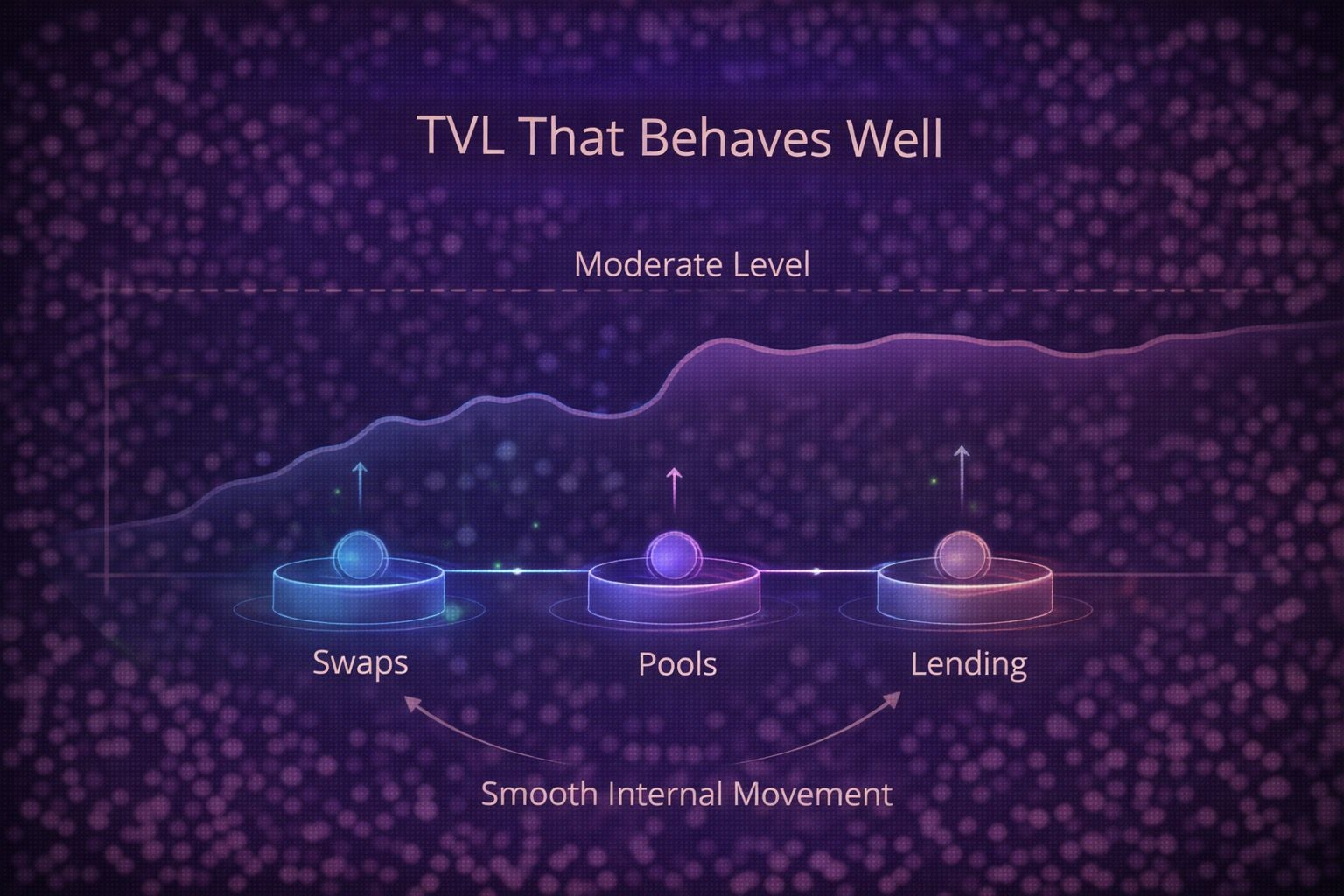
If this trajectory continues, Plasma’s DeFi landscape will likely be defined less by headline numbers and more by how comfortably liquidity moves within it. And in the long run, that comfort is what turns early interest into lasting participation.
For now, the most telling signal isn’t how high the numbers climb, but how steady they remain. That’s something worth watching as Plasma’s ecosystem continues to take shape.