
Introduction
Walrus (WAL) is built for a simple but urgent problem: today’s decentralized storage systems struggle to scale without becoming slow, expensive, or fragile. As more applications demand private, censorship-resistant storage, networks that mix heavy data storage with control logic hit performance ceilings. Walrus takes a different path. By separating where data lives from how it is verified and coordinated, it creates a leaner and more scalable architecture. Running on Sui blockchain, Walrus combines erasure coding and blob storage to spread large files efficiently across a distributed network. This design allows applications to store massive datasets while keeping verification fast, secure, and decentralized.
Problem with the Traditional Monolithic Model
Traditional decentralized storage platforms often follow a monolithic model where storage and control logic are tightly coupled. Every participating node is expected to store significant volumes of data while also validating transactions and executing protocol rules. At small scale this seems manageable, but as usage grows, inefficiencies compound.
Heavy storage requirements increase hardware costs and bandwidth consumption. Nodes spend more time synchronizing data than processing useful work, slowing the entire network. This creates bottlenecks that limit throughput and increase latency for applications that depend on real-time access.
Security is also affected. When a single layer handles both storage and control, vulnerabilities in one component can cascade into the rest of the system. Attackers may exploit storage inconsistencies to disrupt consensus or degrade performance. Over time, rising infrastructure demands discourage smaller participants from running nodes, concentrating power in the hands of a few operators and weakening decentralization.
Benefits of Separating Data Storage and Control Logic
Walrus addresses these limits by cleanly separating data storage from control logic. Storage nodes specialize in distributing and maintaining large datasets using erasure coding, which splits files into fragments and spreads them across the network. This approach increases redundancy while reducing the burden on any single participant.
Meanwhile, the control layer focuses on coordination and verification rather than bulk storage. Because it does not need to carry the full weight of stored data, it can process transactions faster and maintain a lighter state. This separation enables horizontal scalability: storage capacity expands by adding storage nodes, while computational performance scales independently.
Security improves through isolation. If a storage node fails or behaves maliciously, the control layer can detect inconsistencies without risking systemic collapse. The architecture also supports real-world robustness. Enterprises and developers can rely on predictable performance while benefiting from decentralized, censorship-resistant storage. By assigning clear responsibilities to each layer, Walrus builds an infrastructure that is easier to upgrade, audit, and maintain over time.
Role of Blockchain
In Walrus, the blockchain acts as a neutral control authority rather than a giant storage vault. Built on Sui, the blockchain manages consensus, verifies commitments to stored data, and enforces protocol rules. Instead of storing entire files on-chain, it records compact cryptographic proofs that reference off-chain data.
This design keeps the blockchain lightweight and efficient. A smaller on-chain footprint lowers the barrier to running validating nodes, which supports decentralization. At the same time, cryptographic links ensure that off-chain storage remains verifiable and tamper-resistant.
For developers, the blockchain becomes a coordination layer that guarantees integrity without sacrificing performance. Applications can retrieve large datasets from the storage network while trusting the blockchain to confirm authenticity and availability. This balance between minimal on-chain data and strong verification is central to Walrus’s scalability strategy.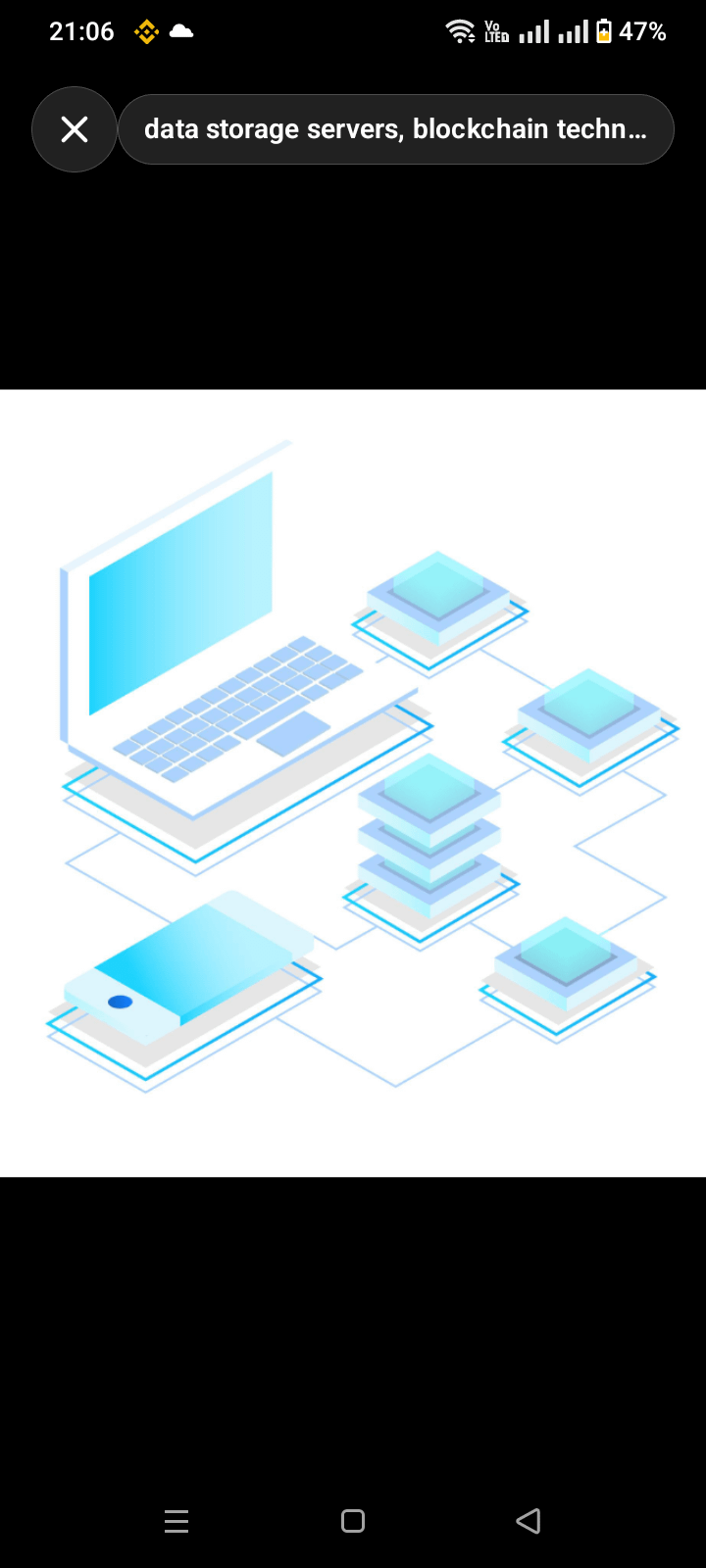
Asynchronous Challenges and Security
A key feature of Walrus’s architecture is its use of asynchronous challenge mechanisms. Rather than forcing every storage action to be verified instantly by the entire network, the system allows participants to challenge suspicious behavior within defined time windows.
Storage providers commit cryptographically to holding specific data. If another participant detects inconsistency or missing fragments, they can submit a challenge to the control layer. The protocol then evaluates evidence and applies penalties if misconduct is proven. Because verification is distributed over time, the network avoids constant heavy synchronization.
This asynchronous model improves both scalability and resilience. Nodes can operate efficiently without waiting for global confirmation of every operation. At the same time, the threat of economic penalties discourages malicious behavior. The result is a system that maintains strong security guarantees while supporting high throughput and tolerance for temporary network disruptions.
Conclusion
Walrus demonstrates how separating data storage from control logic can redefine decentralized infrastructure. By letting specialized layers focus on what they do best, the network achieves greater scalability, stronger security boundaries, and deeper decentralization. Its architecture supports large-scale, privacy-preserving storage without overloading the blockchain that governs it.
As decentralized applications continue to demand faster and more reliable data systems, modular designs like Walrus’s will become increasingly important. The future of decentralized storage depends on clear architectural separation, where verification and storage work together but remain independently optimized.