
The story of Web3 has long been told as a tale of opportunity, a technological frontier promising to decentralize power, transform finance, and reimagine digital ownership. Yet for all its revolutionary potential, the reality is that the average user remains largely alienated. Wallets are confusing, gas fees unpredictable, and the sheer number of networks and tokens can feel like a labyrinth designed for specialists rather than humans who just want things to work. Enter Vanar, a project that doesn’t ask people to learn Web3—it asks them to forget it exists entirely.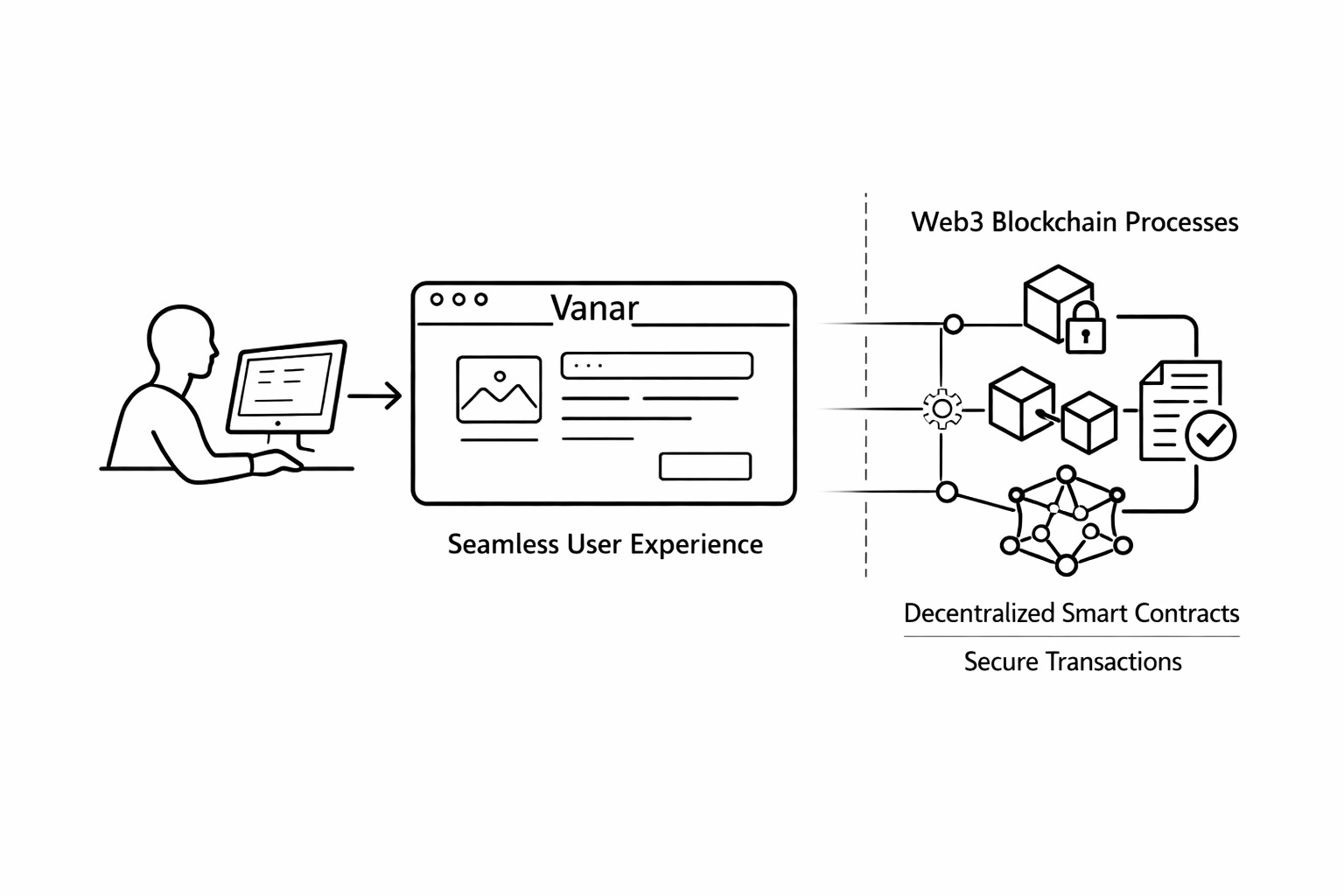
Vanar is a subtle rebellion against complexity. It understands that mass adoption of blockchain technology cannot be achieved by evangelizing the intricacies of consensus algorithms or layered tokenomics. Instead, it focuses on human-centered design, where every feature is built to remove friction and deliver utility without the cognitive overhead. In Vanar’s vision, a person sending a payment, accessing digital content, or participating in a DAO should feel as natural as scrolling through a familiar app. The underlying blockchain, its nodes, its smart contracts—all these become invisible scaffolding rather than obstacles to entry.
This philosophy is more than just convenience; it reflects a deep insight into user behavior. Research in human-computer interaction consistently shows that people resist technologies that demand steep learning curves or constant attention to abstract rules. The more a system requires memorization or technical literacy, the more it excludes a vast portion of the population. Vanar flips the script by prioritizing context over mechanics, abstraction over exposure. Users are given meaningful outcomes—secure payments, verified content, frictionless identity—without ever seeing the layers of code that make it possible.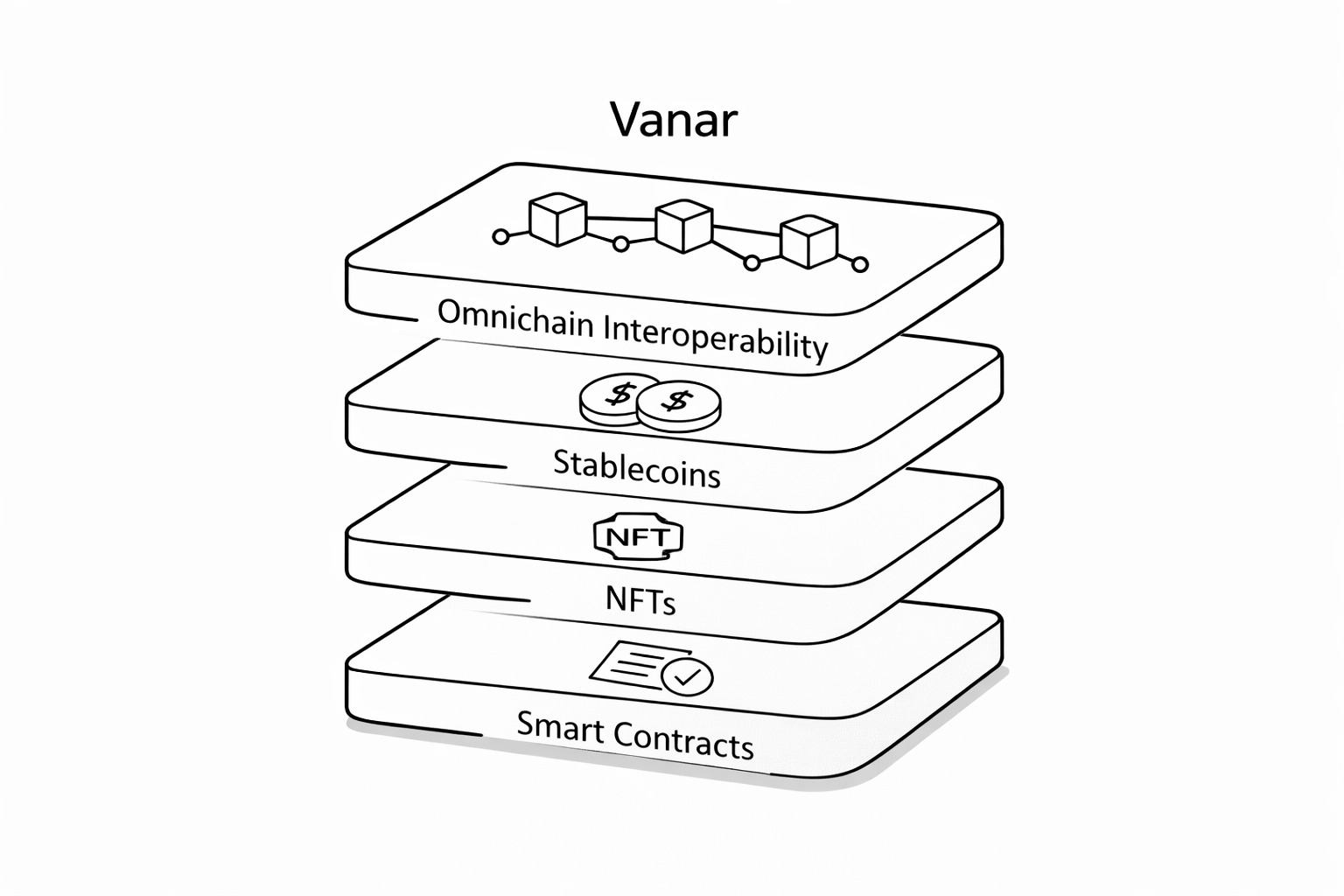
Technically, Vanar leverages innovations in layer-agnostic execution, modular smart contract design, and omnichain interoperability. These are not marketing buzzwords; they are structural choices that let Vanar operate across multiple blockchains while maintaining seamless user experiences. Stablecoins, NFTs, and governance tokens are integrated invisibly, handled in ways that feel entirely conventional to the end user. The genius of Vanar lies in its ability to reconcile the demands of decentralized architecture with the expectations of everyday people who simply want things to work.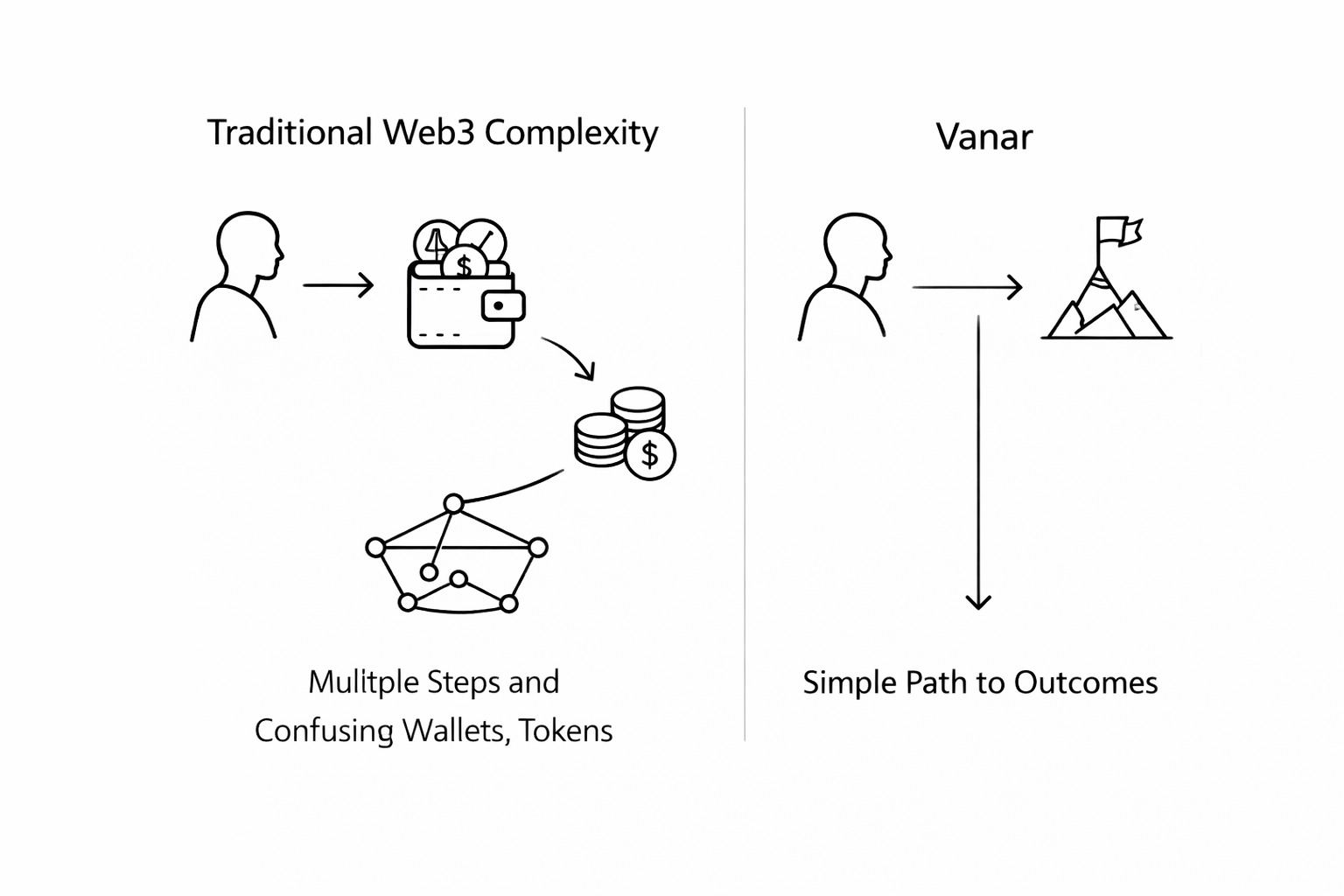
What sets Vanar apart is its insistence that technology should adapt to human cognition, not the other way around. In a world where most blockchain projects still prioritize developer-friendly tooling and protocol-first innovation, Vanar’s user-centric approach feels radical. It is an implicit acknowledgment that the next wave of Web3 adoption will not come from enthusiasts who understand the system inside out, but from those who care about the benefits it provides without learning the mechanics behind it.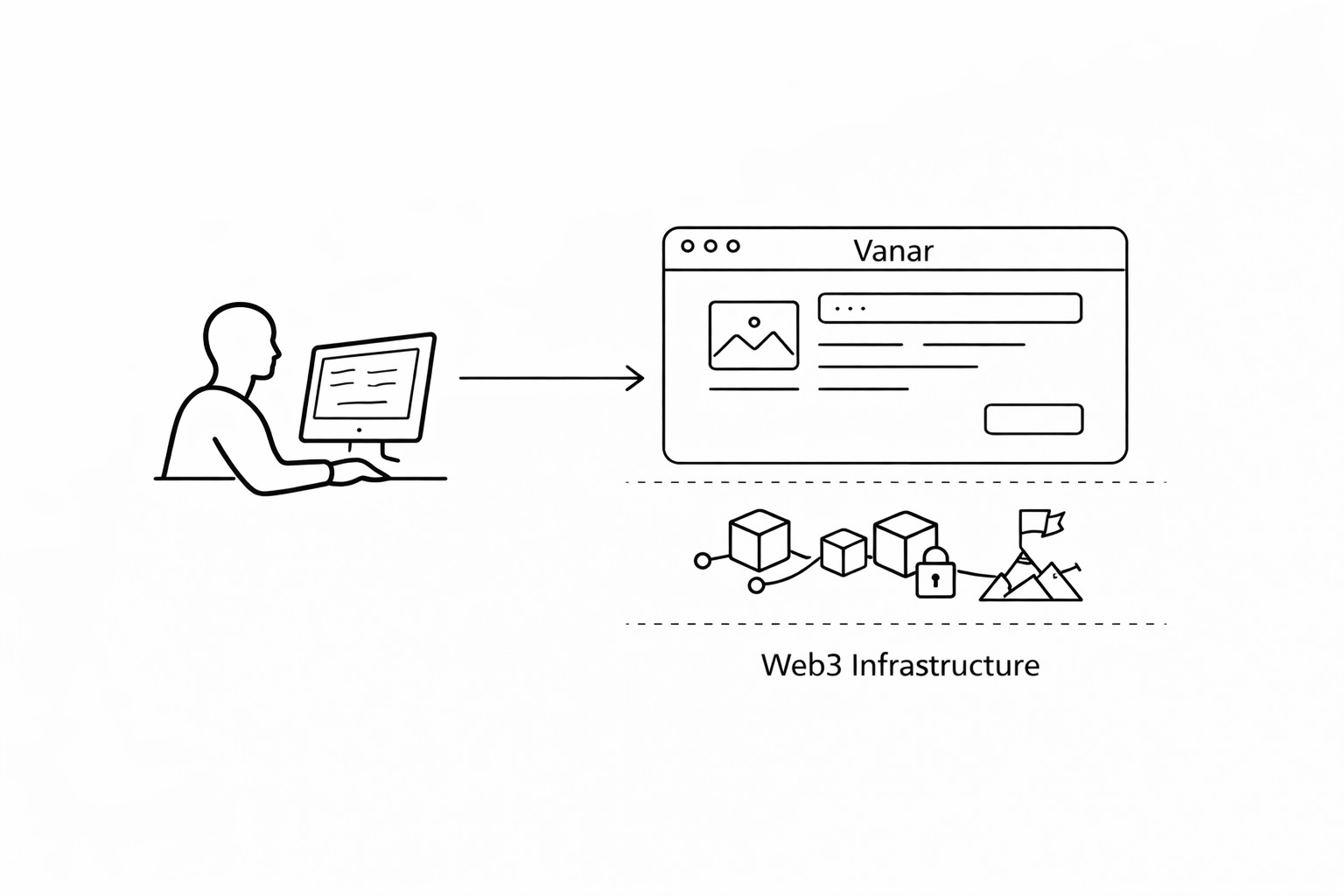
Ultimately, Vanar is less about “teaching” Web3 and more about making it disappear. It imagines a digital landscape where complexity recedes, replaced by experiences that feel immediate, intuitive, and trustworthy. It is a quiet but powerful statement: true innovation is not measured by novelty alone, but by the ability to make the extraordinary feel ordinary. In building for people who don’t want to learn Web3, Vanar is not just creating a product; it is shaping a philosophy of accessibility, foresight, and human-first design that may very well define the next chapter of decentralized technology.
