
Most blockchains treat fees as a signal—congestion, urgency, competition—all compressed into price. @Plasma removes that signal entirely. By anchoring execution to stable value, it separates market dynamics from execution mechanics, turning blockspace into something closer to infrastructure than an auction.
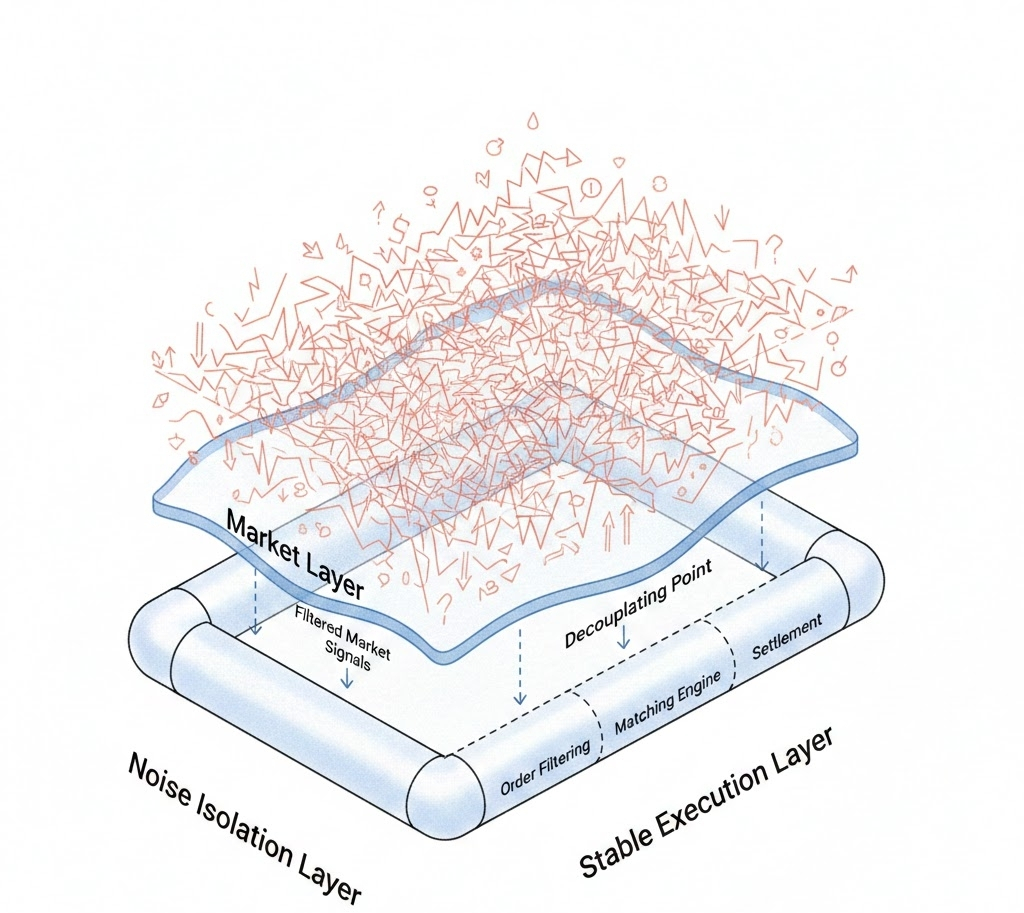
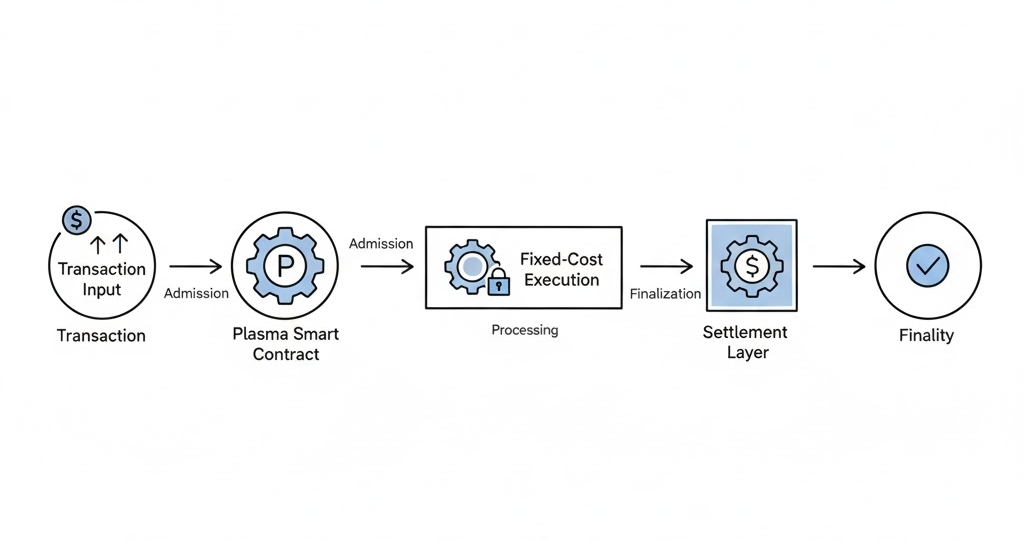
This design choice subtly reshapes how software behaves. Applications no longer need to infer network state through fluctuating fees or overpay to guarantee inclusion. Execution becomes predictable, not because demand disappears, but because it is no longer expressed through price at the execution layer. That constraint pushes volatility outward, where it belongs, instead of embedding it inside every transaction path.
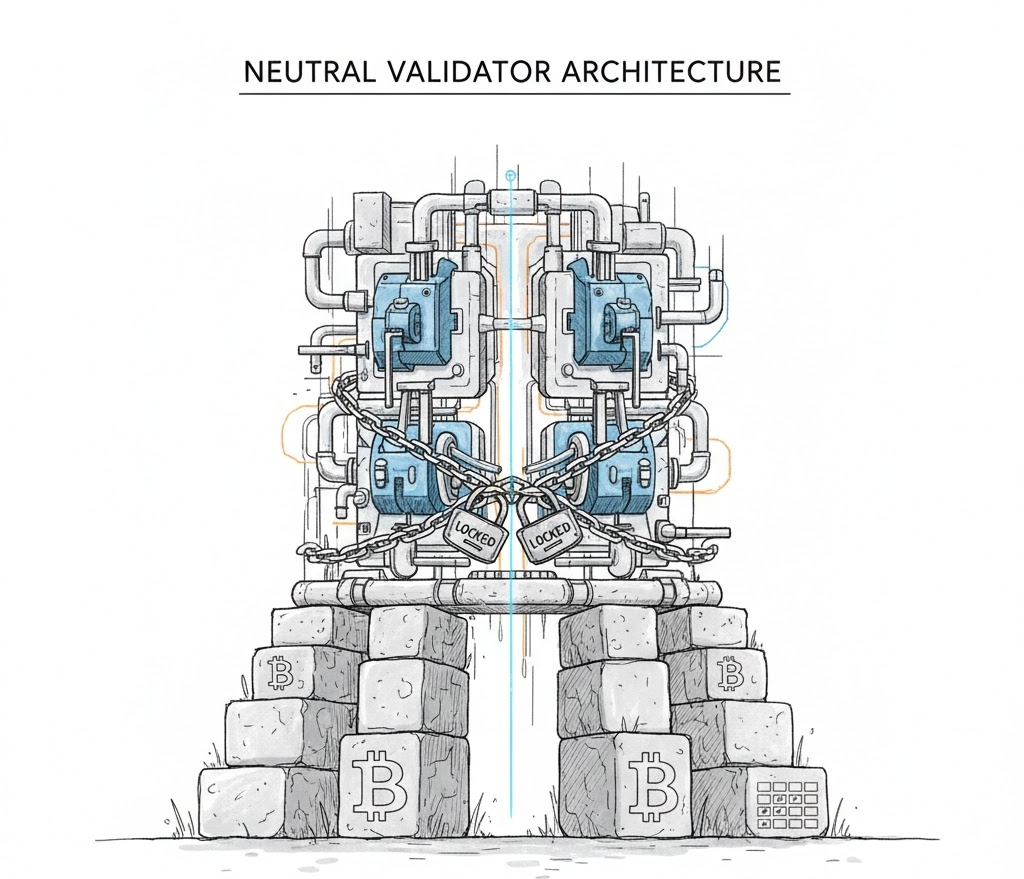
Midway through this shift, something deeper emerges: neutrality. When operators cannot benefit from fee spikes, influence over ordering and urgency weakens. Plasma’s Bitcoin-anchored security reinforces this restraint by tying settlement credibility to an external, slower-moving trust base rather than internal incentives. The chain stops reacting emotionally to load.
Over time, this reframing changes what developers optimize for. Instead of defensive logic and probabilistic confirmation, systems can be designed as if settlement were a constant. That assumption—rare in crypto—opens space for simpler architectures and clearer financial reasoning.
The long-term implication isn’t speed or cost. It’s that blockchains may finally learn to stay quiet when nothing is wrong.