

When I sit with Vanar for a while, the way I understand it stops being about blockchains as a category and starts being about systems design under real-world pressure. I don’t think of it as a project trying to prove a thesis or push an ideology. I think of it as infrastructure shaped by people who have already learned how unforgiving consumer-facing environments can be. That framing matters, because it shifts my attention away from what the system claims to be and toward what it is quietly trying to avoid.
Most of the users Vanar seems designed for will never consciously “use a blockchain.” They arrive through games, digital worlds, brand experiences, or entertainment products where the underlying technology is not the point. These users are not curious about architecture and they are not patient with friction. They do not adjust behavior to accommodate technical constraints. If something feels slow, confusing, or fragile, they leave without reflection. When I view Vanar through that lens, many of its choices feel less like ambition and more like discipline.
What real usage implies, even without needing to reference dashboards or metrics, is an emphasis on repeatability over experimentation. Consumer systems are judged by consistency. A transaction flow that works nine times out of ten is effectively broken. A wallet interaction that disrupts immersion breaks trust faster than it builds novelty. Vanar’s focus on gaming, entertainment, and brand-led environments suggests an understanding that reliability compounds while cleverness does not. These are environments where problems surface immediately and publicly, and where tolerance for failure is extremely low.
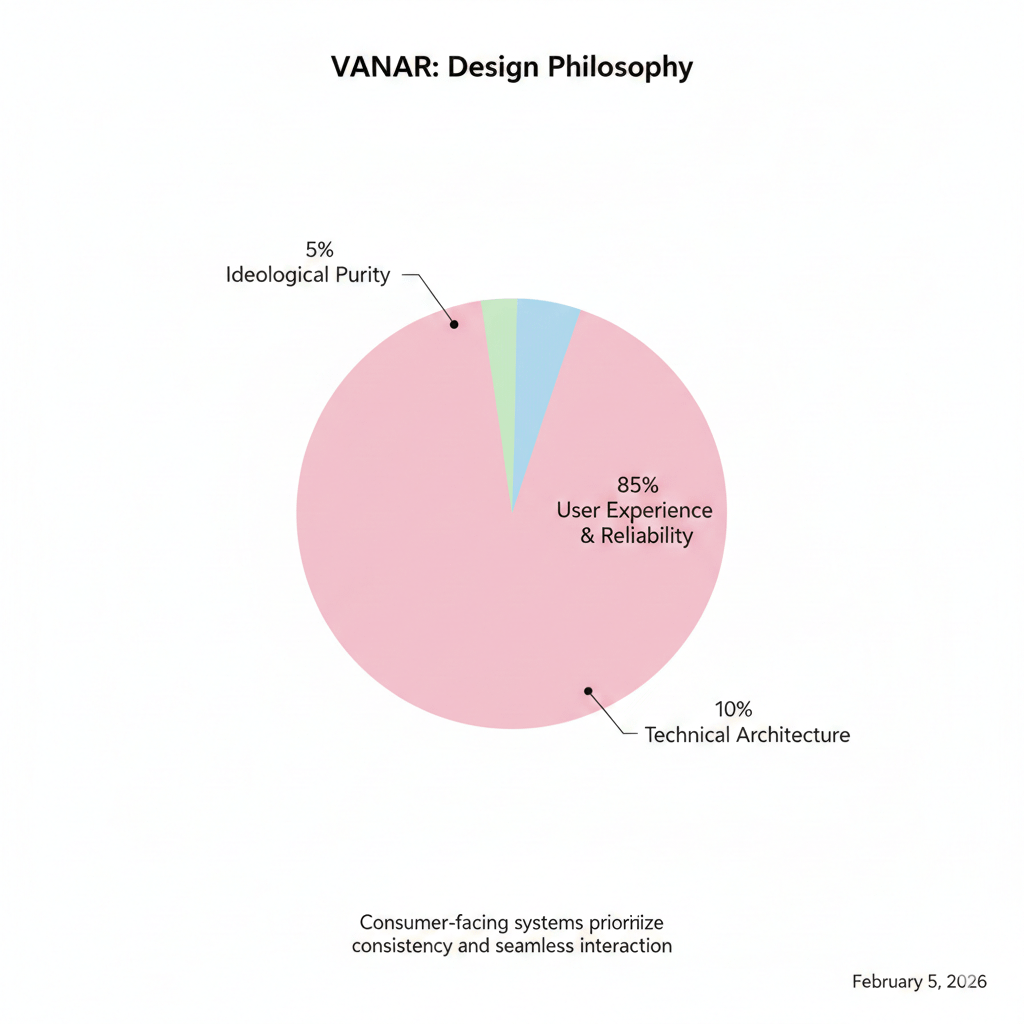 One thing that stands out to me is how little the system asks of the user. Complexity is present, but it is intentionally hidden. That is not an aesthetic choice, it is a survival strategy. In mature consumer software, exposing internal mechanics is usually a sign that the system has not yet earned the right to scale. Vanar appears to treat blockchain the way stable platforms treat databases or networking layers: essential, powerful, and uninteresting to the end user. The goal is not to educate users about how the system works, but to ensure they never have to care.
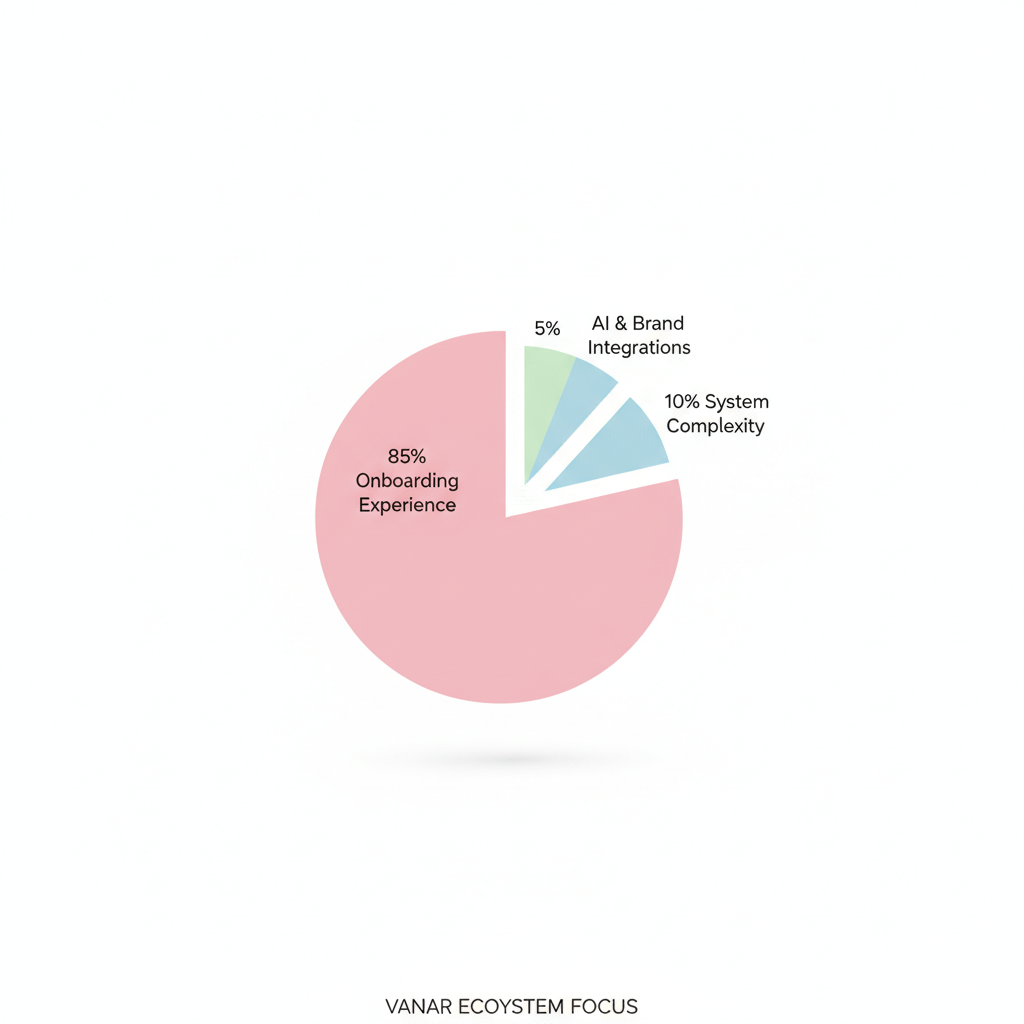
Onboarding is where this philosophy becomes clearest. Many technical systems assume that users will tolerate a learning curve if the payoff is large enough. Consumer reality does not support that assumption. People do not onboard to infrastructure, they onboard to experiences. Vanar’s design direction suggests an acceptance that onboarding must be native to the product itself, not a separate educational process. That choice imposes constraints. Some flexibility is lost. Some expressive power is reduced. But in exchange, the system becomes usable by people who would never describe themselves as technical.
I also pay attention to how the ecosystem seems to handle growth over time. Consumer platforms rarely fail because of a single catastrophic flaw. They fail because complexity accumulates faster than users’ willingness to navigate it. Every extra step, every exposed decision, every prompt that requires thought adds cognitive weight. Vanar appears to treat complexity as something to be contained rather than showcased. It exists where it must, but it is segmented and abstracted behind stable interfaces. From a systems perspective, that suggests long-term thinking rather than short-term display.
There are parts of the ecosystem that naturally attract curiosity, particularly around AI-oriented workflows and brand integrations. These are demanding environments with unpredictable behavior and high expectations around responsiveness. I approach these areas with measured interest rather than excitement. Not because they are unimportant, but because they act as stress tests. They reveal whether the underlying infrastructure can absorb irregular load, edge cases, and user error without leaking that complexity outward. If these components succeed, it will not be because they are impressive, but because they are forgettable in daily use.
 The presence of real applications inside the ecosystem matters to me more than any roadmap. A live digital world or an active game network does not tolerate theoretical robustness. It exposes latency, scaling assumptions, and economic edge cases immediately. Systems either hold or they fracture. Treating these environments as operational contexts rather than marketing examples suggests a willingness to let reality shape the infrastructure, even when that reality is inconvenient.
When I think about the VANRY token, I don’t approach it as an object to be admired or speculated on. I see it as a coordination mechanism. Its relevance lies in how it supports participation, aligns incentives, and enables the system to function predictably under load. In consumer-oriented infrastructure, the most successful tokens are the ones users barely notice. They facilitate activity, secure the system, and then fade into the background. Anything louder than that risks becoming a distraction from the experience itself.
Zooming out, what Vanar represents to me is a particular attitude toward consumer-focused blockchain infrastructure. It signals a future where success is measured by invisibility rather than spectacle. Where systems are judged by how little they demand from users, not how much they can explain. Where the highest compliment is not excitement, but quiet trust built through repeated, uneventful use. I find that approach compelling precisely because it resists the urge to impress. It reflects an understanding that the systems which endure are not the ones that announce themselves loudly, but the ones that simply keep working while nobody is watching.
