
Lately, when I think about Dusk, I don’t think about price charts or trending posts anymore. What stands out to me is something much quieter: it feels like the project is finally growing into what it always said it wanted to be. Not a hype machine. Not a meme chain. But real financial infrastructure that can actually be used in the real world.
I’ve watched enough crypto projects come and go to know how rare that is.
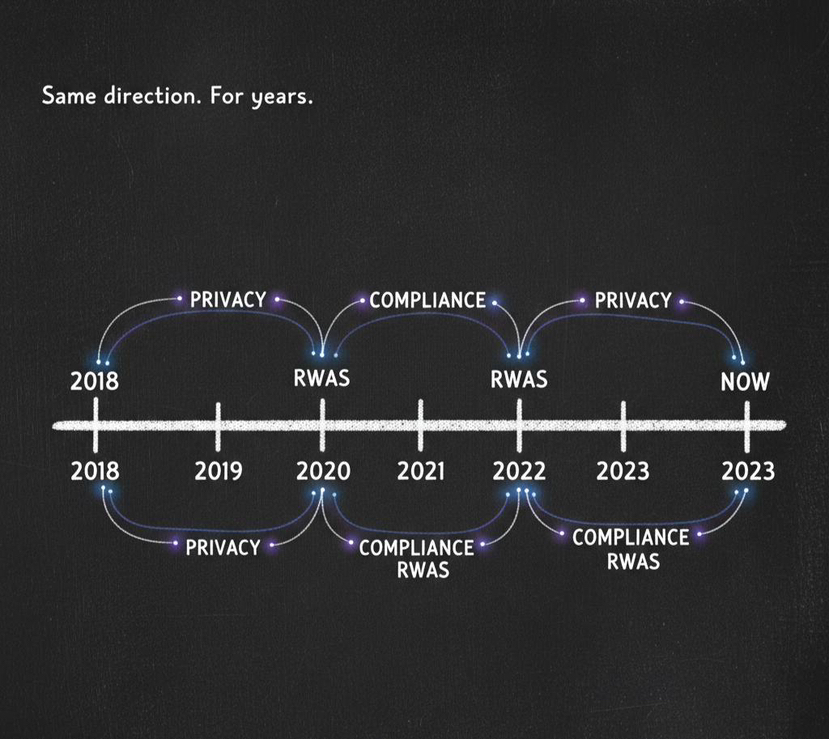
Most chains start with big dreams. Then they pivot. Then they chase the next trend. Then they slowly fade. With Dusk Network, the story has been strangely consistent. For years, they’ve talked about privacy, compliance, and real-world assets. Back then, it sounded boring. Now, in 2026, it sounds practical.
That’s because institutions are finally moving past “testing blockchain” and into “using blockchain.” Banks, exchanges, and financial firms aren’t looking for experiments anymore. They want systems that fit into existing rules. They want privacy, but not secrecy. They want transparency, but not exposure. And they want accountability without sacrificing security.
That’s exactly the space Dusk is trying to fill.
From a market point of view, DUSK is still small compared to major chains. It’s not fully diluted yet, and supply is still tied closely to network activity. What I find interesting is that trading hasn’t completely dried up, even during quiet periods. That usually tells me people haven’t written it off. There’s still attention, even without hype.
But honestly, price is the least important part of this story.
What matters more is whether the network actually works for what it claims to support. And from what I’ve seen, Dusk has reached a level of maturity that many projects never reach. The mainnet is stable. Confidential smart contracts are usable. Privacy isn’t something you add later. It’s built into how things operate.
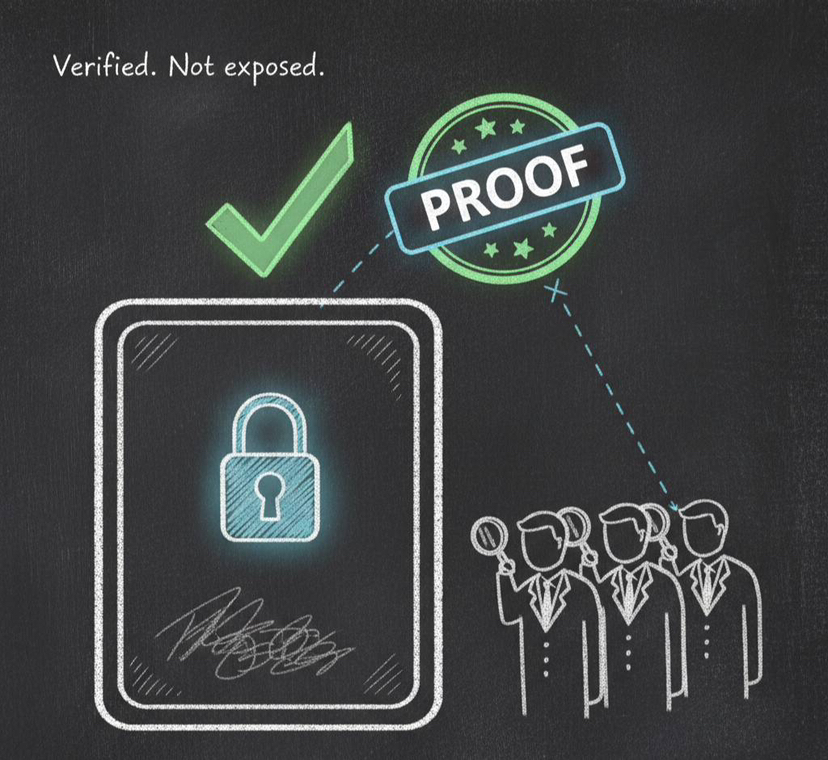
At the same time, it’s not “hide everything and hope regulators never notice.” Dusk uses selective disclosure. That means transactions can stay private, but proofs exist when someone needs to check compliance. Auditors can verify. Regulators can investigate. Users don’t have to expose everything.
That balance is rare in crypto.
Most chains choose one extreme or the other. Full transparency or full darkness. Real finance doesn’t work like that. It lives in the middle. And Dusk was designed for that middle ground.
Another thing that stands out is developer access. With DuskEVM supporting Solidity, builders don’t have to relearn everything from scratch. They can test real ideas quickly. They can move from concept to prototype without fighting the system. That might sound small, but it’s huge for long-term growth.
When developers feel comfortable, ecosystems grow naturally.
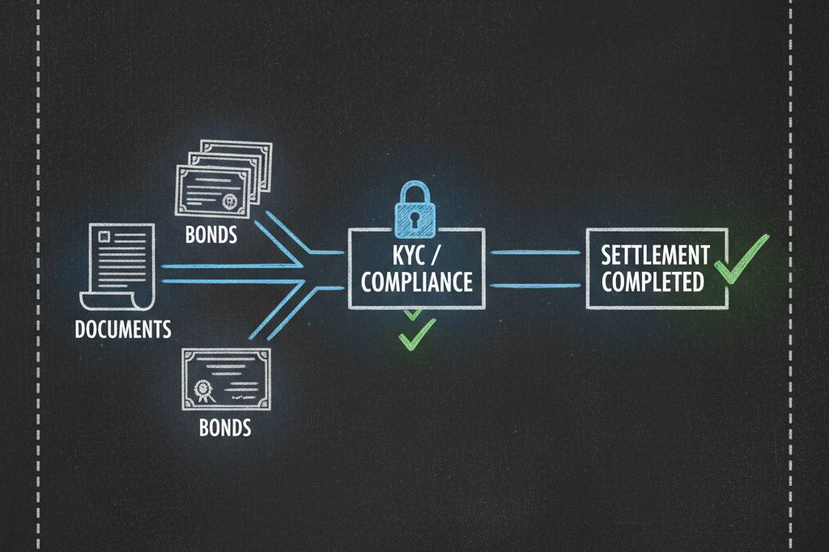
To understand why this matters, think about something simple: tokenized bonds. A company wants to issue digital bonds to professional investors. Those investors must be verified. Their balances shouldn’t be public. Transfers must follow rules. Regulators need access if something goes wrong.
On most chains, half of this happens off-chain. On Dusk, it can happen inside the system. The contract, the privacy layer, and compliance tools work together. That’s what “built for finance” actually looks like.
This is also why Dusk doesn’t move fast in public. You don’t see daily announcements. You see slow progress. Pilots. Legal reviews. Quiet testing. That’s how financial infrastructure develops. It’s not exciting. It’s careful.
When people compare Dusk to Ethereum or Solana, I think they miss the point. Those chains are amazing for open DeFi and experimentation. Anyone can build anything. That’s their strength. But that openness is also a weakness for regulated assets.
On the other side, pure privacy chains scare institutions. No accountability. No clear oversight.
Dusk sits between those two worlds. And that’s where real finance operates.
Of course, there are risks.
Regulation is different in every country. Some authorities understand selective disclosure. Others don’t. Institutional adoption is slow. Not every pilot becomes a real product. Token prices can distort how people judge progress.
All of that is real.
But direction matters more than speed.
Tokenized assets, compliant settlement, and on-chain issuance aren’t theories anymore. They’re happening. If that trend continues, infrastructure built specifically for these needs becomes hard to replace. You can’t just copy it overnight.
That’s why I look at Dusk the way I do now.
Not as a quick trade.
Not as a hype story.
Not as a guaranteed winner.
But as a serious attempt to build something that fits into how finance actually works.