
Crypto is full of utility tokens, yet I keep noticing the same quiet problem. Most tokens are not actually required for what the product claims to do. I can speculate without using the product, and I can often use the product without caring about the token. That gap creates confusion between what networks build and what the market values.
What feels genuinely different to me about Vanar is not a flashy feature. It is the decision to push toward a real usage paid model that lives directly on chain. Instead of one time interaction, the system is designed around repeated use. That turns the token into something closer to a service pass than a speculative chip.
Moving Away From Gas Toward Access
On most chains, the token exists mainly to pay transaction fees. Demand rises only when people transact, and even then users usually want to hold as little of the token as possible. The real value often lives outside the token itself, which makes the token feel like a toll rather than a core part of the product.
Vanar flips that structure. With layers like Neutron and Kayon, basic actions stay predictable and affordable, while more advanced capabilities such as deeper indexing, higher query limits, structured reasoning, and enterprise grade intelligence require VANRY. From my perspective, the token becomes a key to the most valuable parts of the stack rather than a nuisance cost.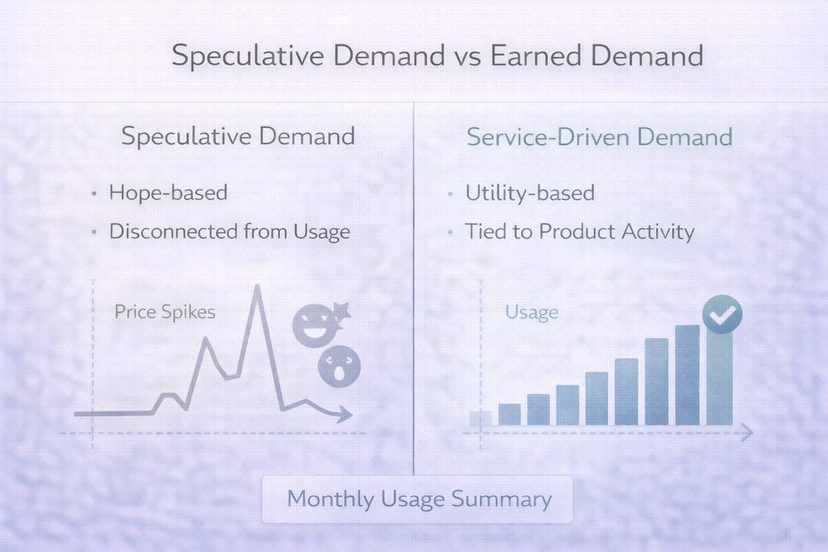
This shift quietly changes the economics. Demand is no longer tied only to hype or single transactions. It comes from repeated use, similar to how people pay for software subscriptions.
Why Subscriptions Fit the Way Vanar Is Built
Subscriptions work best when a product is used again and again. Vanar seems designed exactly for that. I see workflows that involve asking questions, extracting insights, refreshing data, running checks, and letting agents operate continuously. These are not one off actions. They happen daily for teams and constantly for automated systems.
Because of that, recurring payment does not feel forced. Psychologically, I know people are more comfortable paying a steady amount for something that saves time or reduces mistakes. What they hate are unpredictable costs. Vanar appears to keep the base layer stable while treating the upper intelligence layers as paid services.
Metering Use Instead of Selling Stories
The hardest part of subscriptions on chain is measurement. You need to know what was used, how much, and by whom without turning the system into chaos.
Many crypto projects struggle here because usage is noisy and fragmented. Vanar feels different because its stack revolves around measurable units like memory objects, query executions, reasoning cycles, and automated workflows. These are much easier to count than vague ecosystem activity.
That is where Vanar starts to feel like a cloud platform to me. Cloud services charge for storage, compute, and queries because they can measure them. If Vanar can quantify usage at this level, it can price intelligence the same way cloud providers price infrastructure.
Once pricing is clear, teams can budget. Businesses can approve spending. Builders can design products knowing their costs instead of hoping fees stay low.
Demand That Comes From Needing the Service
Most tokens chase demand through excitement. A service token tries to create demand through necessity.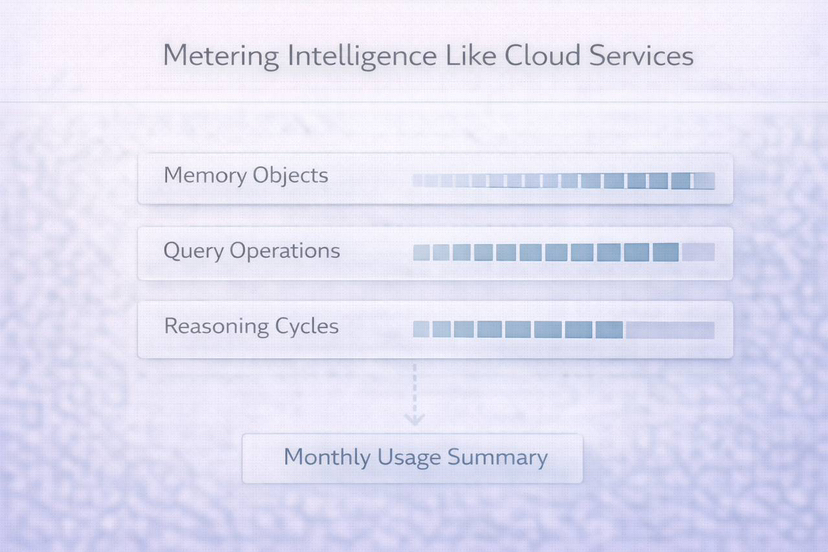
If I were building something that depends on Vanar intelligence, I would treat VANRY like API credits, not an investment. The same goes for businesses. If the service is part of daily operations, the token becomes something you need to keep work running.
This kind of adoption looks quieter. It grows slower. But it tends to last longer. Even in downturns, companies still buy cloud credits because systems must keep running. If Vanar becomes sticky enough, the same logic could apply here.
A Model That Forces Real Responsibility
A narrative can keep a chain alive for a while. A subscription model cannot. If people are paying regularly, the product has to work. It has to be stable, useful, and improving.
That is why I find this angle compelling. It signals a shift from having technology to running a business loop. That loop demands uptime, clear pricing, documentation, and support. All of that pushes maturity.
It also reframes how value is discussed. Instead of asking what the token might become, the question becomes what services are people willing to pay for and why. Serious products answer that through use, not promises.
The Risk of Charging Too Early
There is still a real risk. If users do not clearly feel the value, subscriptions can backfire. People hate feeling rented, especially in crypto where many already feel overcharged.
From my point of view, Vanar needs careful staging. A generous free tier to prove value, with charges applied to scale, depth, and enterprise needs. People pay happily when they see real outcomes like clearer audits, faster decisions, and fewer errors. They resist when payment blocks what feels basic.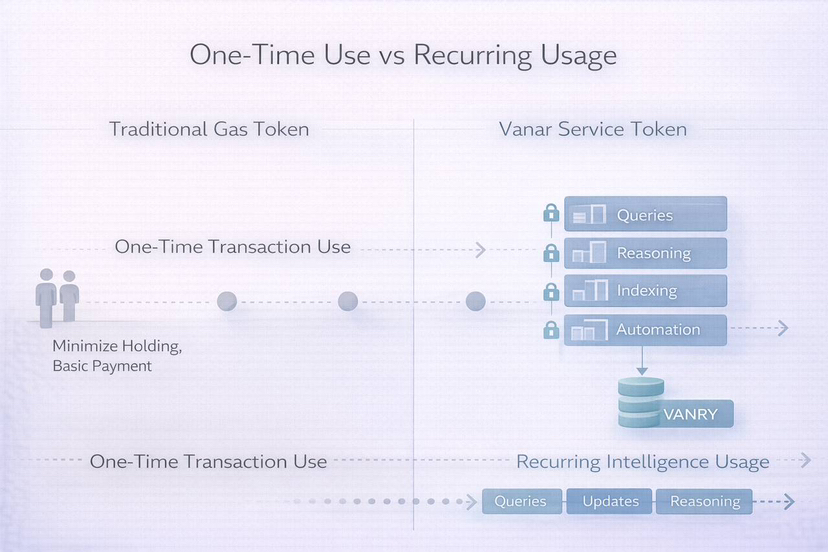
Why This Matters Over the Next Year
Looking ahead, Vanar positions itself as a layered stack that can be packaged into different products. Consumer tools, business intelligence, and developer services all create separate paths of demand for VANRY.
That matters because many Layer 1 networks rely on a single driver, trading activity. When trading slows, everything slows. A second driver based on service usage adds resilience.
Projects with multiple real reasons to exist are harder to dismiss as trends.
Closing Thoughts on What Vanar Is Really Trying to Sell
Right now, the most useful way I think about Vanar is not as an AI chain or a fast chain. I see it as a paid intelligence stack where the token acts as a service credential.
If Vanar executes this well, VANRY stops being something people hold out of hope and becomes something people hold because work runs through it. That path is harder and demands discipline. But if they manage it, it could be one of the few crypto models that turns real usage into a self sustaining economic loop that actually feels earned.
