
Vanar starts from a simple but powerful idea that real people should be able to use blockchain technology without feeling confused or left behind. I’m looking at a system that was designed from the ground up to connect everyday life with digital ownership, not just for developers or traders but for players, creators, and communities. At its foundation, Vanar works as a Layer 1 blockchain, which means it carries its own network, security, and rules instead of relying on another chain. This gives it the freedom to shape experiences around speed, usability, and scale. They’re building an environment where transactions, digital assets, and applications move smoothly in the background so the user only feels the experience, not the complexity.
In real-world operation, the network connects games, virtual worlds, artificial intelligence tools, and brand ecosystems into one flowing structure. If someone enters through gaming, they can naturally discover digital ownership. If they arrive through a brand experience, it slowly becomes a gateway to Web3 identity. It becomes less about technology and more about interaction. We’re seeing a shift where blockchain stops being a hidden technical layer and starts acting like invisible infrastructure supporting entertainment, creativity, and commerce.
Why These Design Choices Matter
The thinking behind Vanar feels rooted in the belief that adoption comes from emotion before education. I’m noticing how the focus on gaming, metaverse spaces, and branded experiences is not accidental. They’re choosing environments where millions of people already spend time, because comfort creates curiosity and curiosity opens the door to new technology. Instead of forcing users to learn wallets and gas fees first, the design allows enjoyment to come before understanding.
This approach reflects a deeper philosophy about scale. If Web3 is meant for billions, the experience must feel familiar from the first touch. It becomes clear why performance, accessibility, and cross-industry integration guide the architecture. They’re not only building a chain but shaping a digital culture where ownership, identity, and interaction blend naturally. When design decisions follow human behavior instead of technical pride, growth begins to feel organic rather than forced.
Understanding Progress and What Truly Counts
Measuring success in a project like Vanar goes beyond price charts or short-term excitement. I’m seeing progress defined through participation, creativity, and sustained engagement. The number of active users entering games, exploring virtual environments, or interacting with branded ecosystems tells a deeper story than speculation ever could. They’re watching how communities form, how creators build, and how long people choose to stay connected.
Another meaningful signal comes from real integration. If businesses, entertainment platforms, and digital experiences continue linking into the network, it shows trust forming in quiet but powerful ways. It becomes proof that the infrastructure is stable enough for long-term use, not just temporary hype. We’re seeing maturity when technology disappears into everyday interaction, and that quiet normality may be the strongest metric of all.
Risks That Cannot Be Ignored
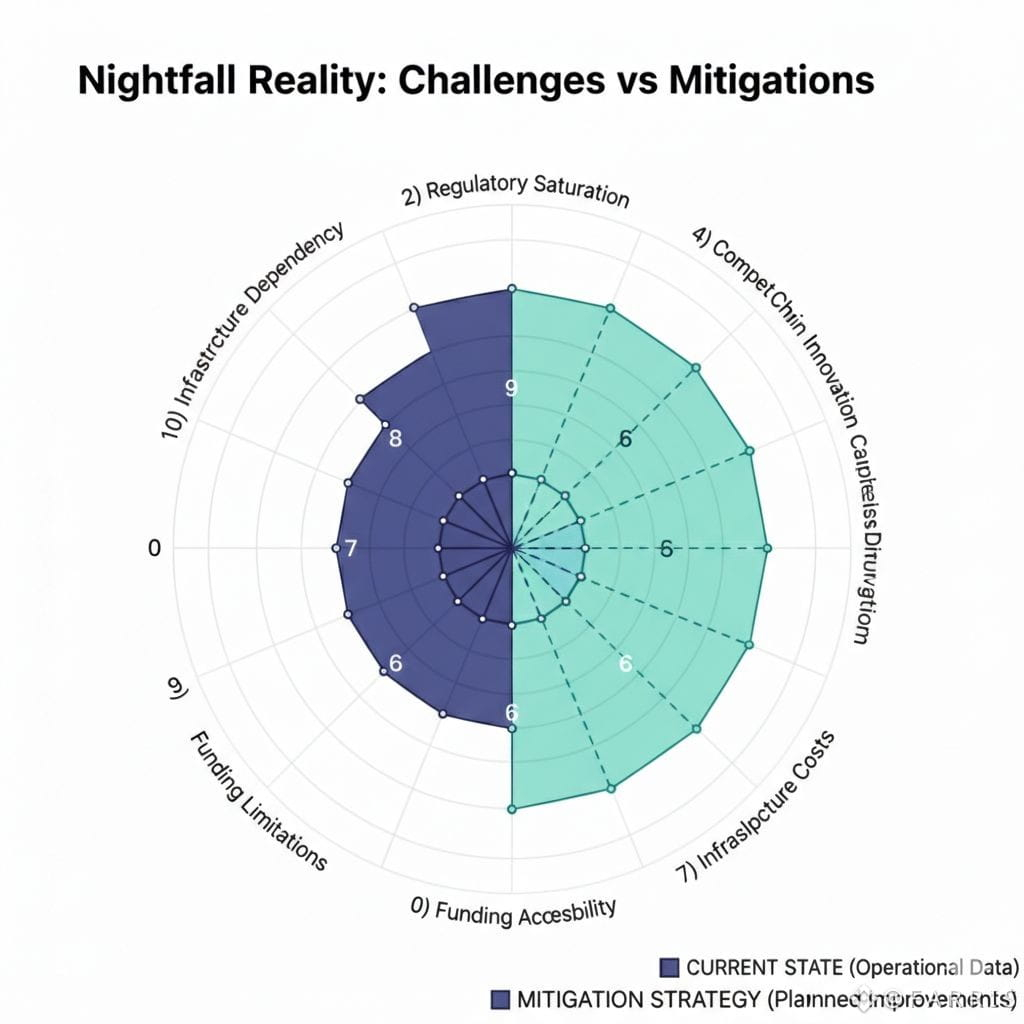
Every ambitious vision carries uncertainty, and Vanar is no exception. I’m aware that adoption at global scale depends on regulation, competition, and user trust evolving together. If rules around digital assets tighten in unexpected ways, growth could slow or shift direction. If competing ecosystems solve usability faster, attention may divide across multiple platforms. These risks matter because momentum in emerging technology is fragile, and perception can change faster than infrastructure.
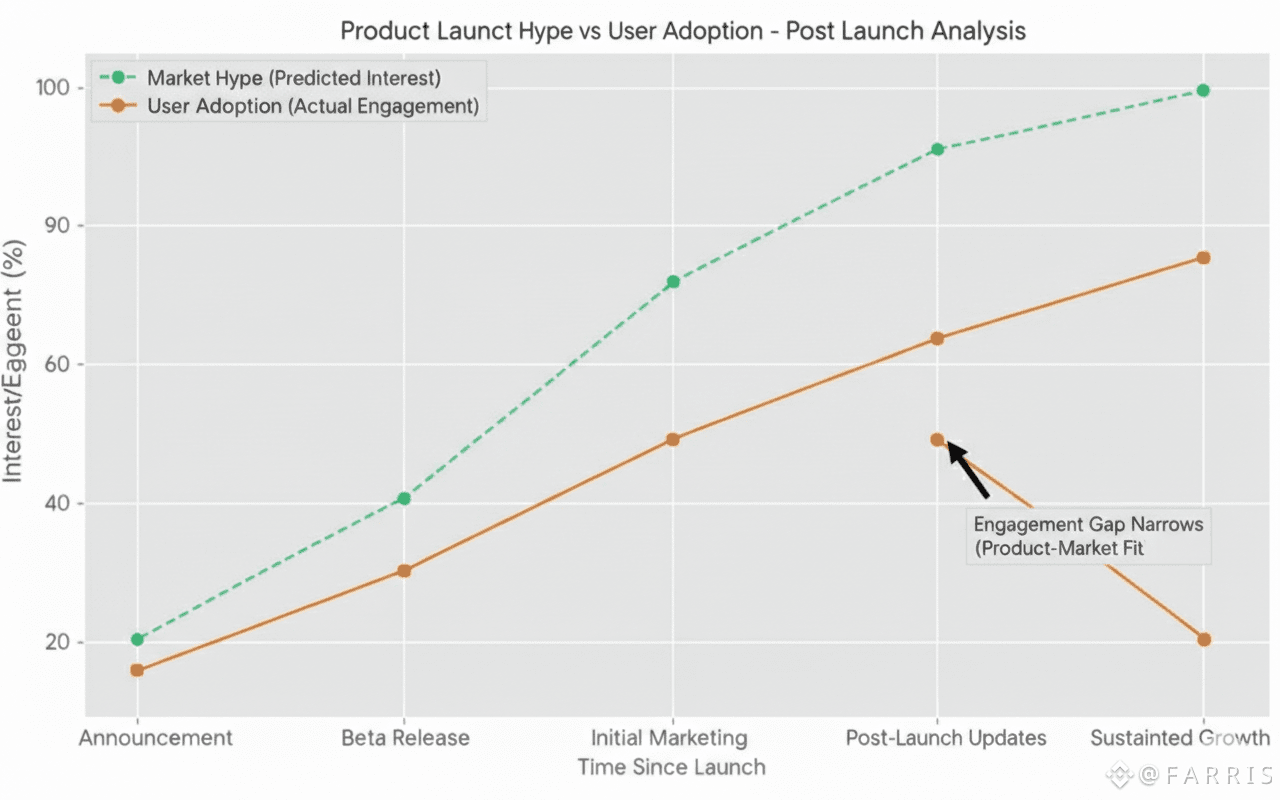
There is also the human challenge of expectation. They’re promising a bridge to billions of users, and such a promise carries emotional weight. If experiences fail to feel simple or meaningful, people may step back before the vision fully unfolds. Long-term sustainability requires patience, transparency, and continuous improvement. It becomes a reminder that technology alone cannot secure the future. Trust must be earned again and again.
The Expanding Future and Emotional Horizon
Looking forward, Vanar feels less like a finished product and more like an unfolding journey. I’m imagining a world where digital ownership blends seamlessly with entertainment, where virtual identity holds real value, and where creativity flows across platforms without barriers. They’re shaping a space where artists, players, and brands share the same foundation, allowing imagination to travel further than traditional systems ever allowed.
If this path continues, the network could evolve into something quietly transformative. It becomes a living ecosystem rather than a static chain, growing as new ideas connect to it. We’re seeing early signals of a future where technology supports expression instead of limiting it, where participation matters more than permission, and where belonging is built through shared digital experiences.
A Closing Reflection on the Journey Ahead
In the end, Vanar tells a story about possibility more than machinery. I’m feeling that its true value may not lie in speed or structure but in the doors it opens for people who never thought blockchain was meant for them. They’re inviting the world to step into Web3 through play, creativity, and connection instead of complexity.
If the vision holds steady through challenges and time, it could become a quiet bridge between imagination and reality. It becomes proof that technology shaped with empathy can reach further than technology built only for power. We’re seeing the beginning of something that may grow slowly, patiently, and meaningfully. And in that slow growth, there is hope that the future of digital life can feel more human than ever before.