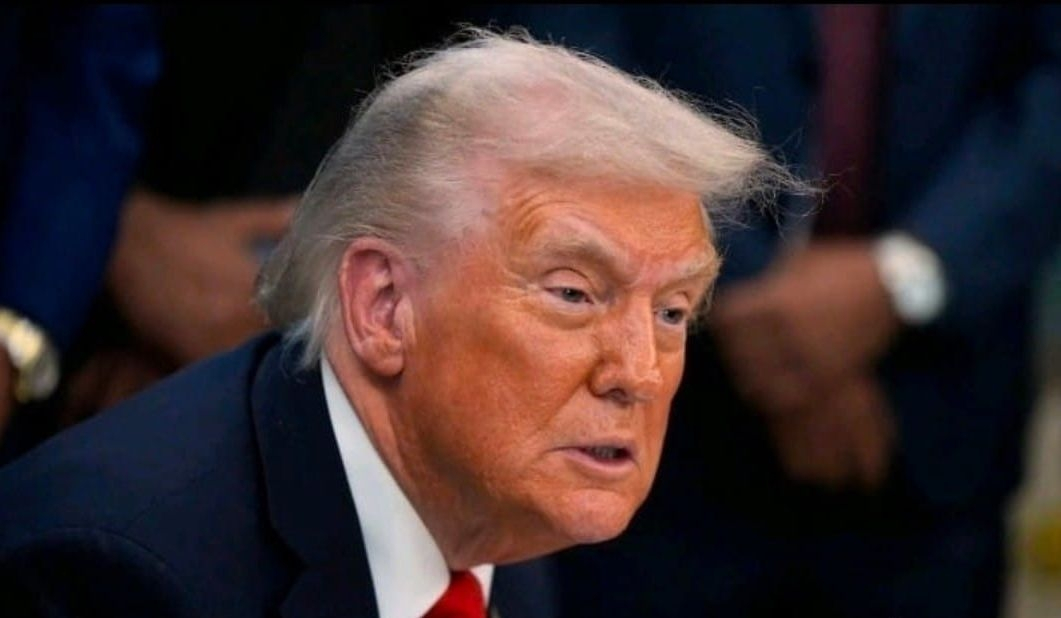
🇺🇸 Președintele SUA Trump este din nou pe baricade, iar de data aceasta zgomotul se revarsă direct în comerțul transfrontalier și sentimentul piețelor. Pe 9 februarie, Trump a avertizat că ar putea bloca finalizarea și deschiderea Podului Internațional Gordie Howe care leagă SUA de Canada—cu condiția ca cel puțin 50% din proprietate să fie cedată Statelor Unite.
🥸 Pare ireal, dar se întâmplă. Canada a investit aproape 6,4 miliarde CAD (≈ 4,6 miliarde USD) pentru a construi acest pod critic lângă Detroit. Acum, cu proiectul aproape finalizat, mesajul lui Trump este direct: “Dați-ne jumătate, altfel nimeni nu trece.” Un exemplu clasic de încercare de a extrage valoare la linia de sosire.
Ai auzit bine. De la proiectare la construcție, podul a fost complet finanțat de Canada. Planul original a fost simplu: recuperarea costurilor în timp prin taxe de trecere, apoi împărțirea profiturilor cu statul Michigan. Intervenția lui Trump răstoarnă situația—susținând că podul nu a folosit oțel american și acuzând Canada că exploatează SUA. Reacția dincolo de frontieră a fost rapidă, cu primarul din Windsor reacționând public.
Chiar mai îngrijorător pentru piețe, Trump a legat problema podului de cereri mai ample, inclusiv concesii la tarifele pentru produse lactate și vânzările de alcool. Pe scurt, infrastructura a devenit o monedă de schimb. Vrei podul deschis? Plătește prețul politic.
🌉 Dintr-o perspectivă macro și comercială, această mișcare afectează ambele părți—dar în special SUA. Coridorul Detroit–Windsor este una dintre cele mai aglomerate arterei comerciale din America de Nord, cu zeci de mii de camioane care trec zilnic. Dacă noul pod rămâne închis, traficul va fi forțat pe vechiul Pod Ambassador, crescând costurile logistice și strângând marjele din lanțurile de aprovizionare—o lovitură directă pentru economia Michigan.
Frustrarea a devenit bipartizană. Chiar și un senator democrat din Michigan a criticat public pe Trump, numind-o „a te împușca singur în picior”—folosind războiul comercial pentru a pedepsi propriul tău stat. Această punte este în mod obiectiv pro-creștere: locuri de muncă, eficiență și fluxuri comerciale mai puternice. Blocarea ei nu este o strategie economică; este o influență politică în detrimentul banilor reali.
Pentru comercianți și investitori, concluzia este clară: riscul de titlu s-a întors, iar incertitudinea politică continuă să pună presiune asupra activelor riscante.
Care este părerea ta despre această escaladare?
💬 Lasă-ți gândurile mai jos.
📉 Volatilitatea este dictată de politică. Comerciați în consecință.