


Plasma is a blockchain network designed with one primary objective: deliver fast, scalable, and reliable execution for decentralized applications. As Web3 evolves beyond simple token transfers into complex ecosystems like DeFi, gaming, AI automation, and digital marketplaces, the need for high-performance infrastructure becomes critical. Plasma focuses specifically on optimizing transaction processing so applications can run smoothly even under heavy demand.
Unlike traditional blockchains that process transactions one by one, Plasma is built to support parallel execution. By analyzing transaction dependencies and running compatible operations simultaneously, the network significantly increases throughput while reducing latency. This allows users to experience faster confirmations and more stable performance, even during periods of high activity.
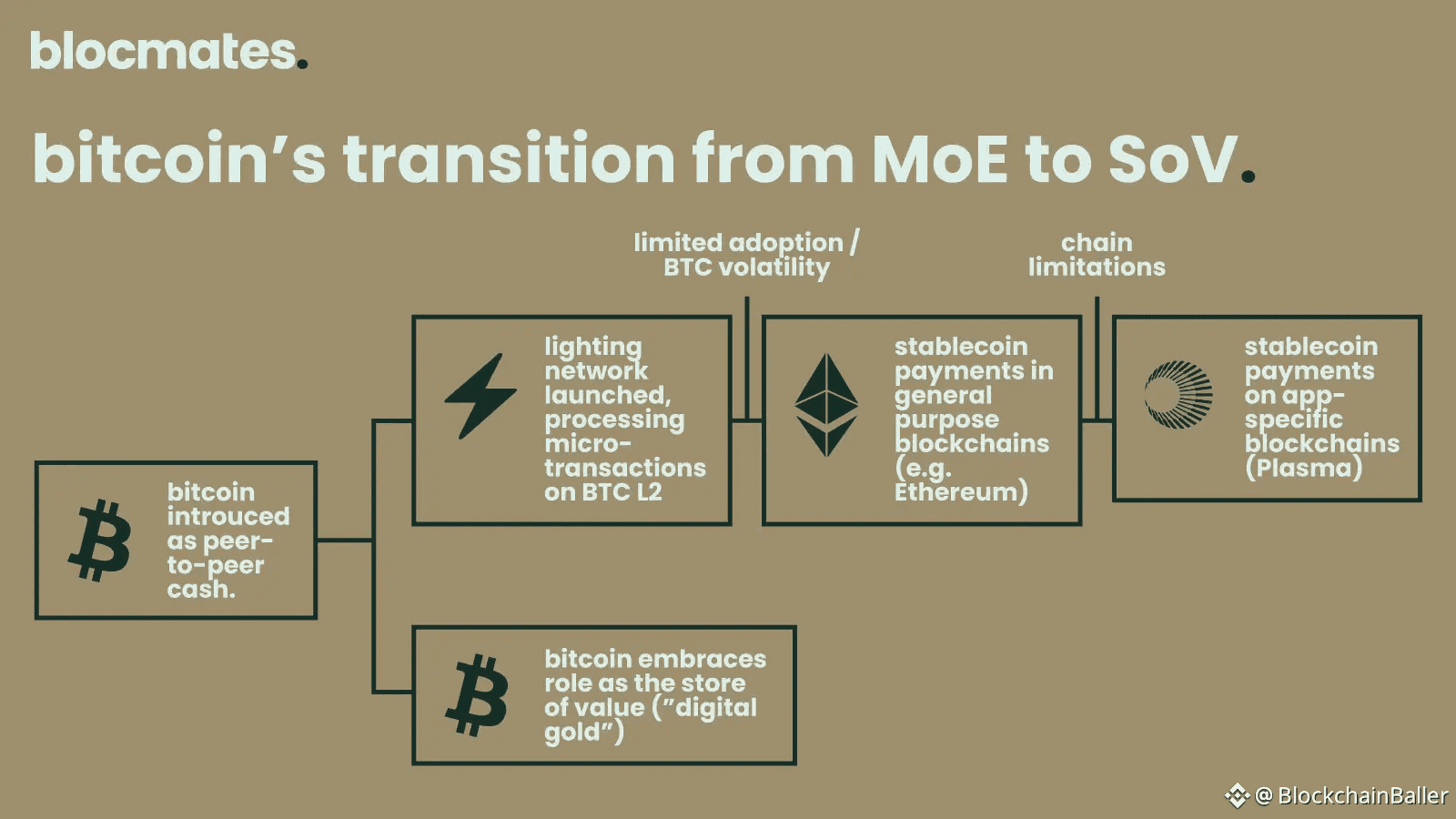
Smart contract efficiency is another major strength of Plasma. The network minimizes unnecessary computation and reduces conflicts between transactions that interact with shared on-chain data. This ensures that decentralized applications especially those requiring constant updates, such as trading platforms or multiplayer gaming systems—can operate continuously without slowing the entire network.
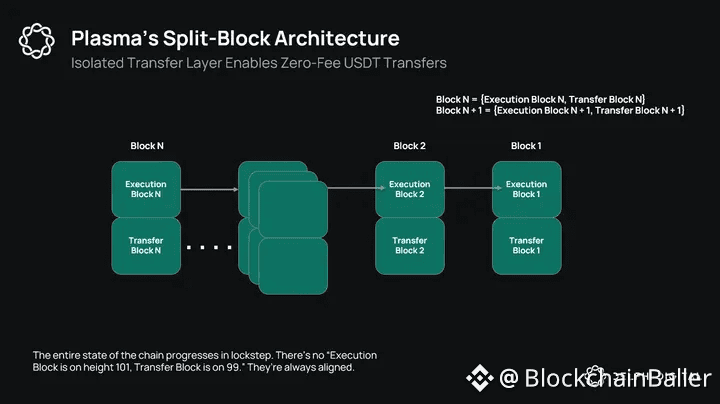
Plasma is also designed to fit within a modular blockchain architecture. Instead of trying to handle every responsibility at once, it specializes in execution. Other layers in the ecosystem may focus on settlement, governance, or data availability, while Plasma handles computation-heavy and time-sensitive tasks. This layered approach improves scalability across the broader Web3 ecosystem.
Security remains fundamental to Plasma’s design. Performance improvements are achieved through architectural efficiency rather than weakening validation standards. Transactions are verified rigorously to maintain deterministic and reliable outcomes, ensuring that speed does not compromise trust.
For developers, Plasma offers a stable and predictable environment. Consistent execution behavior and transparent fee structures make it easier to design sustainable applications. This reliability is especially important for financial protocols, AI systems, and enterprise-grade platforms that require continuous uptime and precise performance.
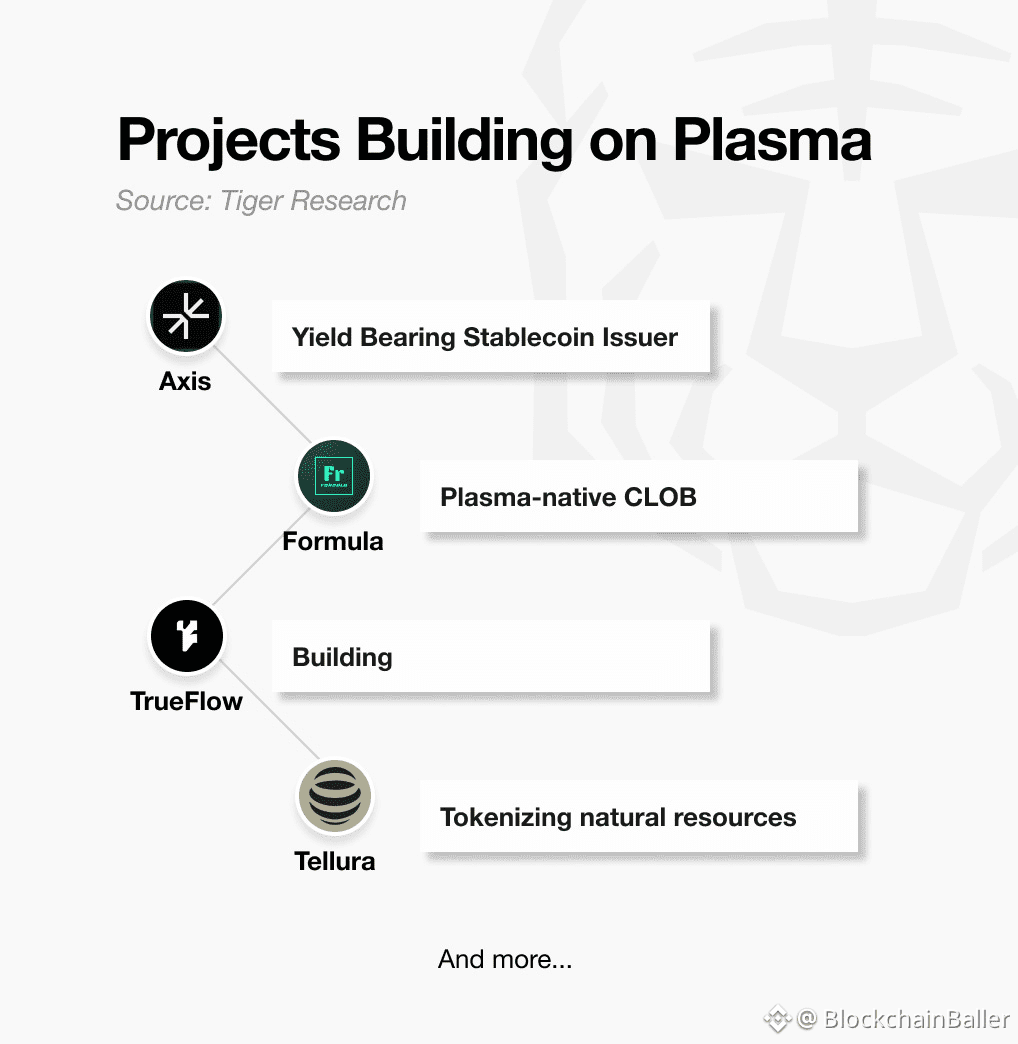
Plasma is particularly valuable in sectors where real-time interaction matters. In decentralized finance, faster execution improves liquidity efficiency and reduces slippage. In gaming, low latency enables immersive user experiences. For AI-driven systems, constant and predictable processing allows autonomous agents to operate seamlessly on-chain.
Ultimately, Plasma positions itself as infrastructure built for scale. As Web3 shifts toward machine-driven activity and always-on digital services, networks must support continuous transaction flows without congestion. By focusing on execution quality and scalability, Plasma aims to power the next generation of decentralized applications that demand speed, efficiency, and reliability.