
Sometimes I try to understand a chain not by reading its roadmap but by imagining what happens on a normal boring day inside it. No big announcements. No price spikes. Just regular users doing regular things. Sending transactions. Updating data. Building small applications. This is where I think real design shows itself. When nothing dramatic is happening yet everything must work quietly. That is how I started looking at Vanar Chain.
Many blockchains feel powerful during exciting moments but uncertain during ordinary ones. They scale loudly but settle nervously. I have seen cases where network activity looks healthy on the surface yet under the hood there is silent strain. Reprocessing. Delays. Minor inconsistencies that slowly build pressure. Users cannot always explain it but they feel it. The system feels slightly tense.
Vanar does not feel tense. It feels measured. When I read about its structure and observe how it handles state changes I notice something subtle. The chain seems designed to keep movement and certainty separate. In other words activity is allowed to grow but confidence in state is built in stages. That separation creates emotional stability for users.
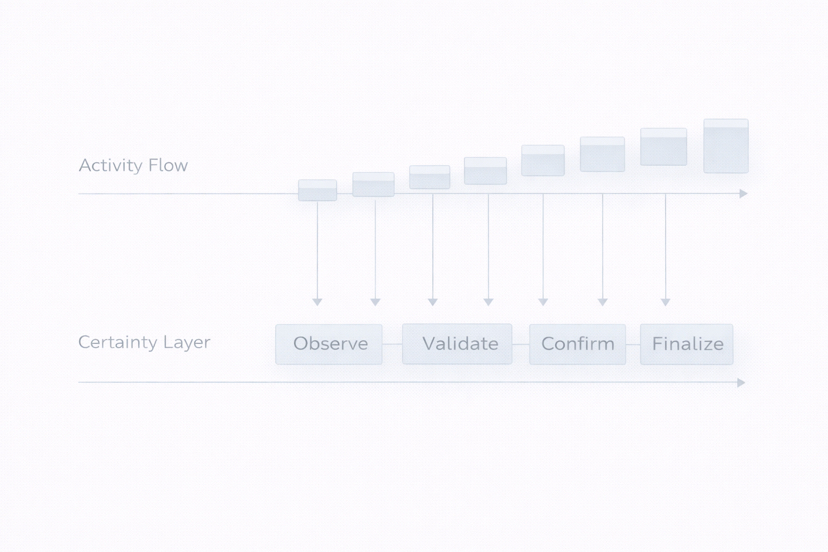
What I appreciate about this kind of architecture is that it accepts reality. Not every action has becomes final instantly. Instead of pretending instant perfection the system treats confirmation as a process. That honesty reduces shock when slight delays occur. It shows that waiting does not mean failure. It means structured verification.
Another thing I think about is error behavior. In some networks errors feel chaotic. A transaction fails and suddenly multiple layers are affected. The system behaves like it did not expect mistakes. That reaction creates stress. Vanar feels more like it anticipates imperfection. Errors seem to be guided into contained pathways instead of spreading unpredictably.
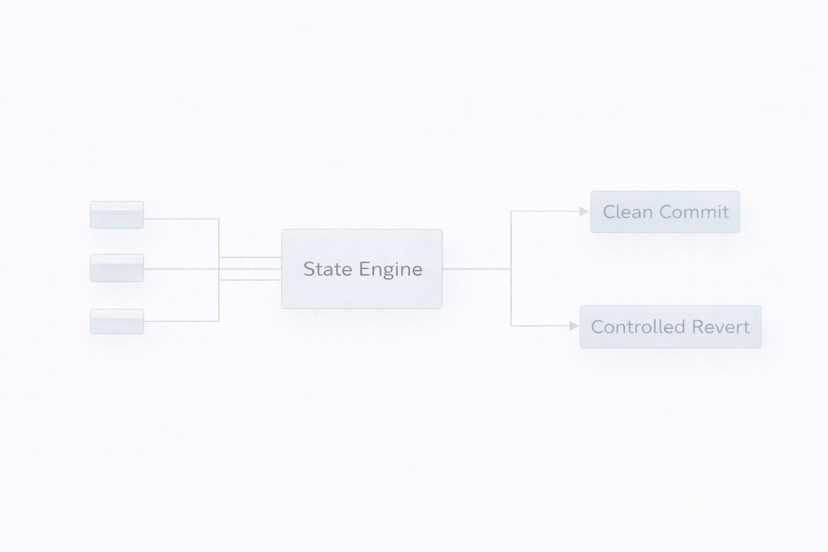
Personally that design philosophy makes a difference for me. I do not want to feel like I am gambling every time I interact with a network. I want to feel like even if something goes wrong the system knows how to handle it calmly. Vanar gives me that impression. It feels like a network built with acceptance of complexity instead of denial of it.
I also think about lifecycle. Many chains behave like features once deployed must exist forever unchanged. That sounds safe but actually creates rigidity. Over time rigidity becomes risk. Vanar appears more flexible. There is a sense that upgrade and expiry are part of the structure not emergency actions. Systems that allow planned change survive longer.
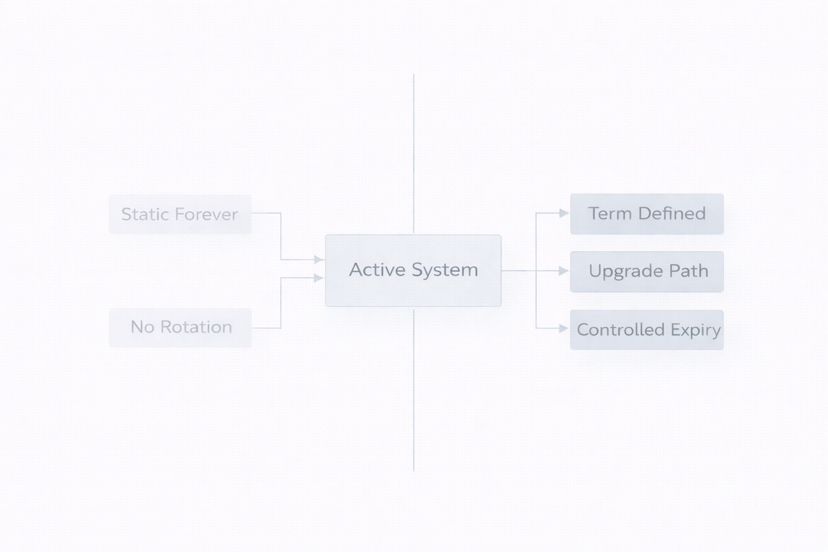
This idea of adaptive structure resonates with me. Nothing digital remains static. Users grow. Builders experiment. Conditions change. A chain that accepts this change calmly will likely remain stable longer. It is not about being the fastest or the loudest. It is about being coherent over time.
When I step back and summarize my feelings they are simple. Vanar feels intentional. It feels like each layer understands its role. Activity is movement. Certainty is verification. Error is managed. Lifecycle is expected. These may sound like technical ideas but at the user level they translate into comfort.
I do not see Vanar as a chain chasing attention. I see it as a chain refining internal discipline. And discipline in systems often outlasts excitement. For me that is worth paying attention to. Not because of hype but because of how it feels when nothing dramatic is happening and everything still works the way it should.
