
When I look at $FOGO, I don’t see a project trying to dominate timelines. I see a team trying to remove friction at the execution layer. And in infrastructure, that difference is everything.
Most chains compete through expansion narratives — ecosystem size, partnerships, incentive velocity. FOGO’s posture feels different. It feels surgical. The emphasis is not on being everywhere; it’s on being fast, stable, and predictable where it matters most: transaction execution.
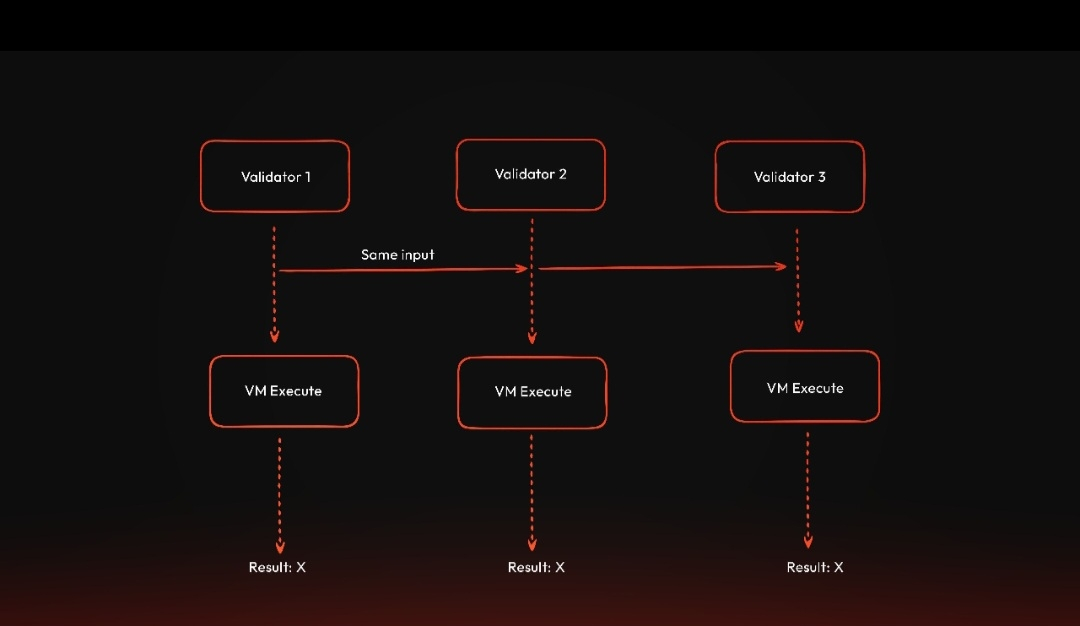
That decision immediately narrows the lens. Instead of asking whether FOGO can out-market others, I ask whether it can out-execute them.
FOGO’s alignment with the Solana Virtual Machine isn’t a cosmetic compatibility badge. It’s a strategic shortcut to proven tooling and developer familiarity. By building within an SVM-compatible environment, FOGO avoids wasting cycles reinventing what already works. That conserves engineering bandwidth for what actually differentiates a chain: performance under pressure.
Because execution chains don’t fail in quiet conditions. They fail when volatility spikes, when transaction concurrency increases, when bots and real users collide in the same blockspace. The chains that survive those moments earn something more valuable than attention — they earn trust.
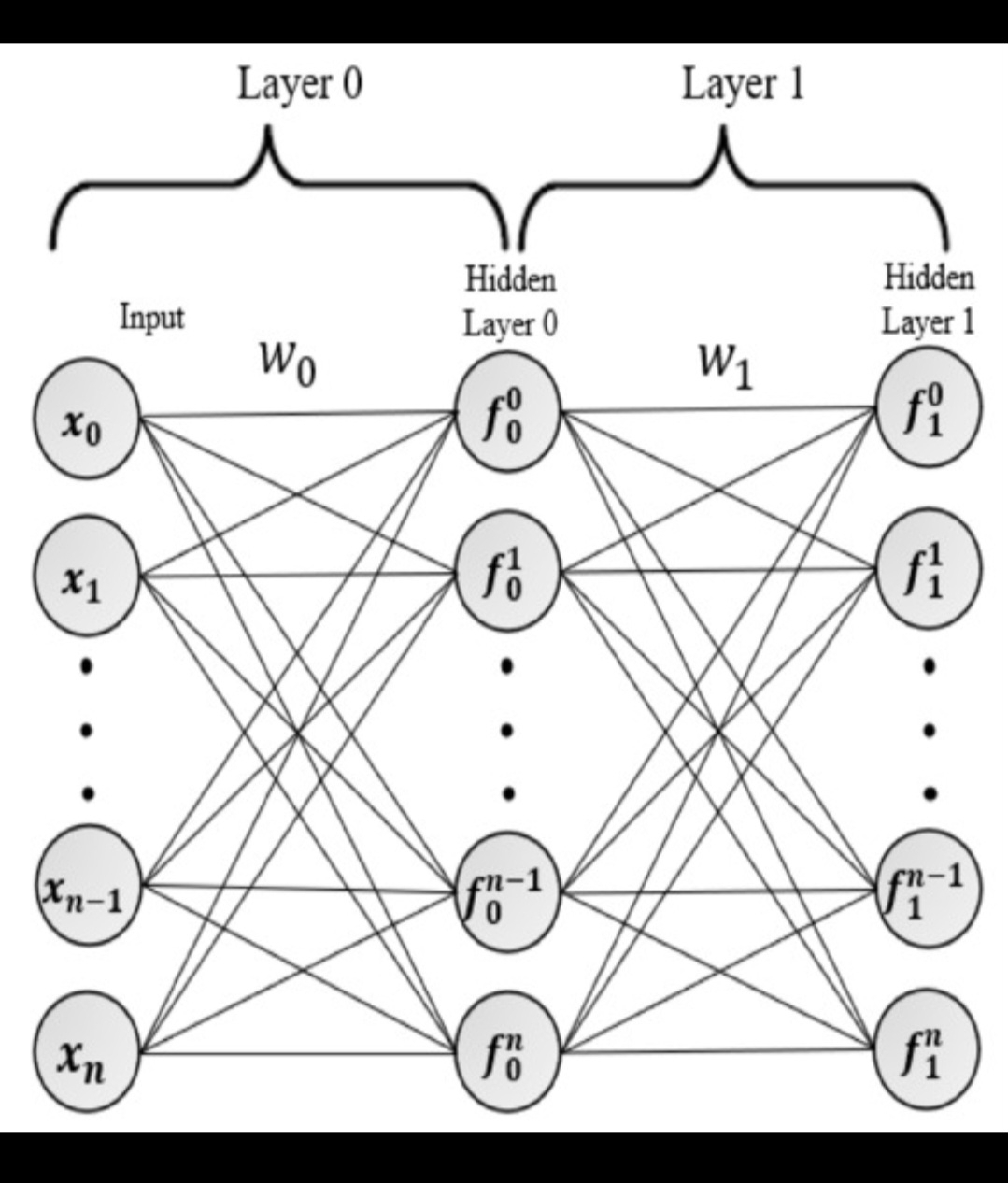
What I see from FOGO’s recent direction is a clear attempt to engineer around that stress scenario. Latency discipline. Validator coordination. Stability over spectacle. These aren’t metrics retail traders celebrate, but they are exactly the variables that determine whether serious applications stay deployed.
There’s a structural maturity in focusing on throughput quality instead of throughput headlines.
The industry has learned, sometimes painfully, that theoretical TPS is irrelevant if confirmation times fluctuate under load. Usable throughput — the kind that remains consistent when the network is busy — is what matters. That’s where DeFi traders, arbitrage systems, and execution-heavy protocols actually operate. And that’s the battlefield FOGO seems to be preparing for.
I also pay attention to what a project chooses not to do.
FOGO isn’t stretching into every narrative vertical at once. It isn’t promising to be the universal solution to every onchain problem. That restraint signals clarity. It suggests the team understands that infrastructure credibility compounds slowly and collapses quickly. Overextension creates architectural debt. Discipline prevents it.
When a chain prioritizes execution integrity first, ecosystem growth becomes a byproduct instead of a dependency. Builders who care about latency don’t migrate because of marketing; they migrate because the network performs better. Liquidity doesn’t stay because of incentives alone; it stays because slippage and confirmation risk are lower.
That’s a different growth curve. Slower at first. Stronger later.
From a token perspective, I don’t think the question is short-term price action. The question is whether $FOGO becomes economically embedded in workflows that require speed and determinism. If applications begin to rely on its execution profile, transactional density follows naturally. Validator economics tighten. Network effects deepen.
Execution-layer projects don’t need constant narrative oxygen. They need reliability under stress. If FOGO delivers that consistently, recognition will eventually follow performance — not the other way around.
What ultimately stands out to me is not ambition — it’s engineering intent. FOGO appears to be designing for environments where milliseconds matter and execution variance costs money. That is a more demanding standard than building for narrative cycles.
Markets eventually differentiate between chains that scale attention and chains that scale performance. The former trend quickly. The latter endure.
Right now, $FOGO looks far more interested in endurance.