

When I spend time with a project like Vanar, I try to strip away the usual assumptions I carry about blockchains. I do not ask whether it is ambitious enough or novel enough. I ask a quieter question: does this system feel like something people could use every day without having to think about it? That question has shaped how I interpret Vanar, because the project only becomes coherent when viewed as background infrastructure rather than as a destination in itself.
What immediately stands out to me is that Vanar seems to be designed with an acceptance of how people actually behave, not how technologists wish they behaved. Most users do not wake up wanting to interact with decentralized systems. They wake up wanting to play a game, explore a digital world, engage with a brand they already trust, or participate in an online experience that feels familiar. Vanar’s focus on gaming, entertainment, and brand-led environments reflects that reality. It suggests a belief that adoption does not come from educating people about technology, but from embedding technology into experiences they already understand.
Looking at usage patterns implied by the ecosystem, I see a network that expects repetition rather than novelty. Games, virtual environments, and consumer-facing platforms only work when users return again and again. That creates very different constraints from systems built around occasional, high-attention interactions. Costs need to be predictable. Performance needs to be consistent. Downtime is not an inconvenience; it is a reason for users to disappear permanently. Vanar’s design choices feel shaped by those pressures. They are not about showcasing internal complexity, but about minimizing the number of moments where the system reminds users that it exists at all.
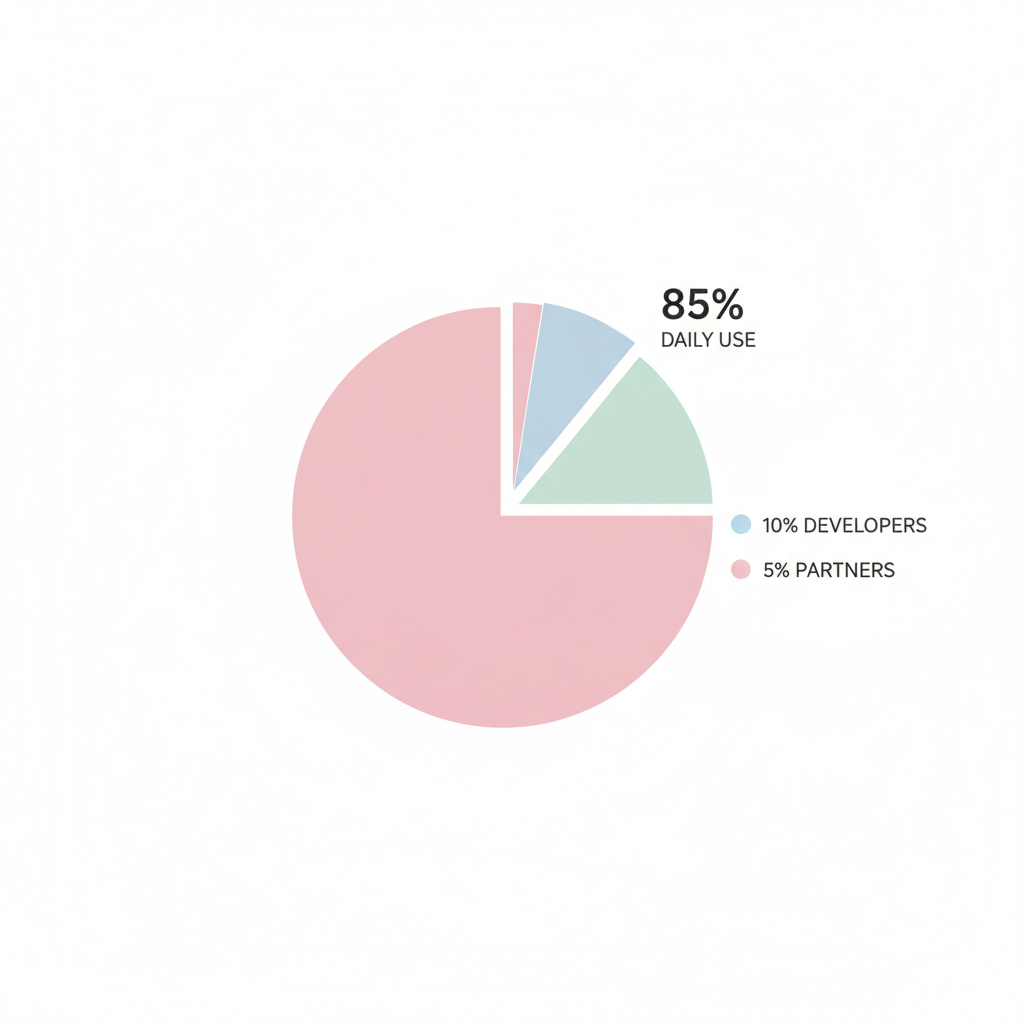 The team’s experience with real products matters here. When you have worked with entertainment platforms and brands, you learn quickly that elegance is measured by how little friction remains, not by how many features are visible. Onboarding flows need to feel natural. Identity needs to persist without confusion. Assets need to move without users having to understand why or how. Vanar appears to treat these requirements as non-negotiable, which is a subtle but important signal. It implies that the system was designed with partners and end users in mind from the beginning, not retrofitted later.
One of the more telling aspects of the project is how it handles complexity. Rather than inviting users to engage with it, Vanar seems intent on absorbing it. The infrastructure carries the burden so that applications can present simple, intuitive interfaces. This is not about hiding information from those who want it, but about respecting the fact that most people do not. In my experience, systems that survive at scale are the ones that make the right thing easy and the complicated thing optional. Vanar’s architecture appears aligned with that principle.
When I look at applications like Virtua Metaverse and the VGN games network, I do not see polished showcases meant to impress observers. I see environments that function as continuous tests of the underlying system. These products have to deal with real users, real content updates, and real economic activity over time. They reveal weaknesses quickly. If identity handling breaks, users notice. If asset interactions feel clumsy, engagement drops. The fact that these applications exist and continue to operate suggests that the infrastructure is being exercised under realistic conditions, not idealized scenarios.
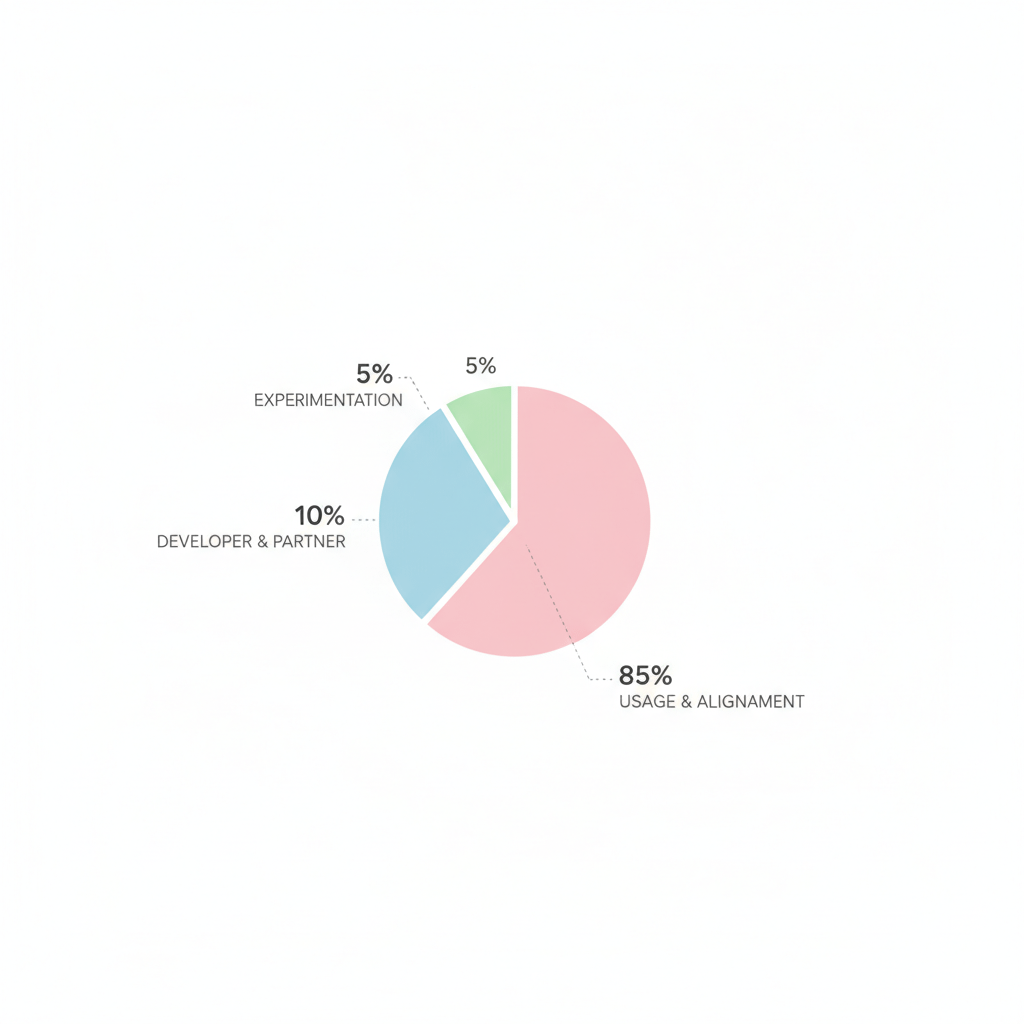 There is also an interesting balance between ambition and restraint in how Vanar approaches different verticals. Supporting gaming, metaverse experiences, AI-driven applications, ecological initiatives, and brand solutions is not a trivial undertaking. Each brings its own operational and social expectations. Brands care about control and accountability. Environmental initiatives care about transparency and trust. Entertainment platforms care about scale and responsiveness. Vanar’s willingness to engage with all of these suggests confidence, but it also introduces complexity that cannot be hand-waved away. What I find reassuring is that the project does not appear to oversell this breadth. It treats these areas as practical domains to be served, not as proof points to be advertised.
The role of the VANRY token becomes clearer when viewed through this infrastructural lens. It is not positioned as an object of attention, but as a mechanism that supports usage and alignment across participants. For everyday users, it fades into the background, enabling interactions without demanding constant awareness. For developers and partners, it provides a consistent way to account for activity and participation. This kind of design prioritizes continuity over excitement, which is often a better fit for systems meant to support long-term use.
What I appreciate most is that Vanar does not seem to rely on ideal conditions. It assumes imperfect users, commercial partners with constraints, and products that must operate reliably even when enthusiasm fades. That assumption leads to different trade-offs. It favors stability over experimentation, and usability over expression. Those choices may not always look impressive from the outside, but they tend to matter more once a system is in the hands of real people.
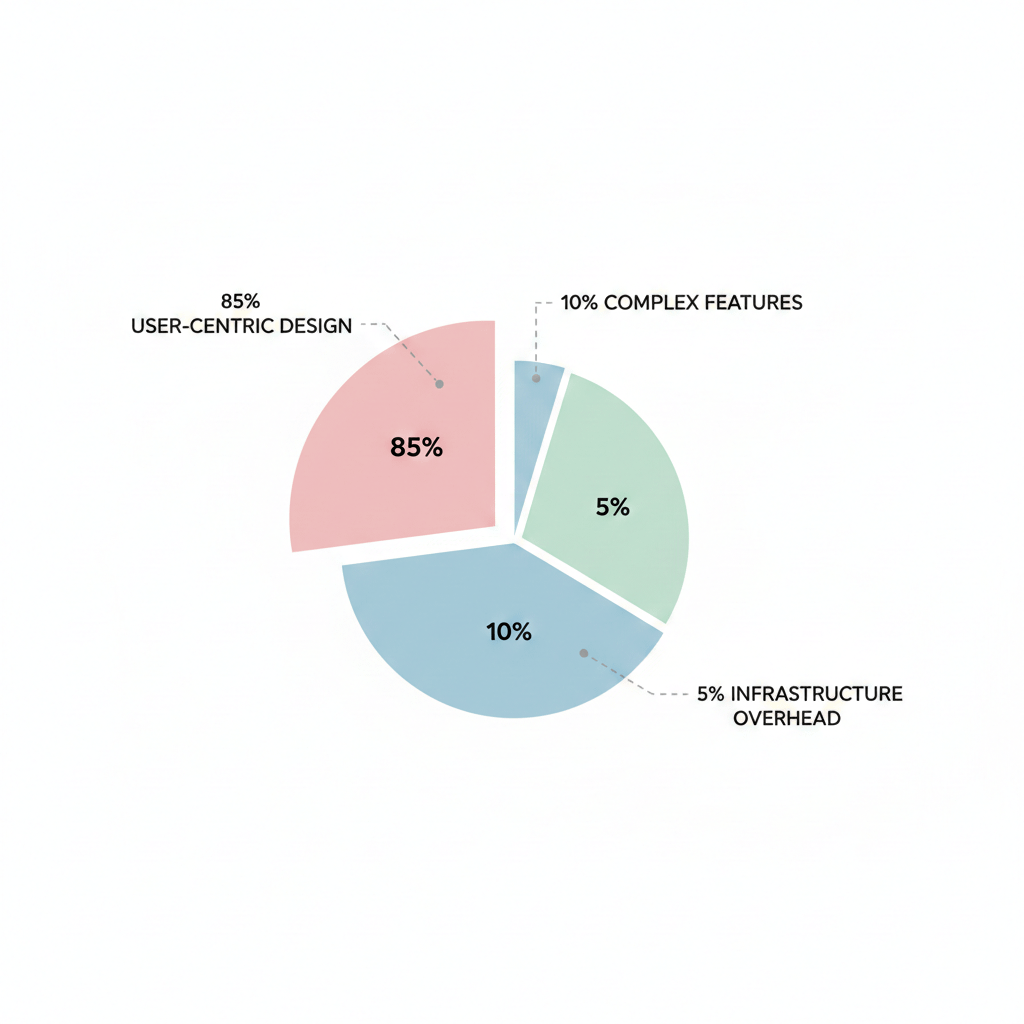 Stepping back, my overall impression is that Vanar reflects a maturing view of what consumer-facing blockchain infrastructure needs to be. Instead of asking users to adapt to the system, it adapts the system to existing behavior. Instead of celebrating complexity, it contains it. Instead of framing success around visibility, it frames success around continued use. From an industry perspective, that approach feels less dramatic, but more durable.
I tend to trust systems that are comfortable being invisible. Infrastructure earns its value not by drawing attention, but by quietly enabling other things to work. Vanar’s design choices suggest an understanding of that role. If this approach continues, it points toward a future where blockchain infrastructure is judged less by what it promises and more by how seamlessly it supports the digital experiences people already care about. That is a future built on realism, not aspiration, and it is one I find increasingly compelling.
