
Hey everyone in the crypto community! I've been digging deeper into the world of cryptocurrency lately, and while the big names like Bitcoin and NFTs grab all the headlines, I stumbled upon something that's quietly transforming how we interact with blockchains: account abstraction. It's this innovative concept that's making wallets smarter, transactions easier, and the whole space more user-friendly. If you're tired of clunky seed phrases or high gas fees ruining your day, this could be the breakthrough you've been waiting for. As someone who's navigated the ups and downs of crypto, I'm excited to share what I've uncovered. Whether you're just starting out or have some experience under your belt, let's explore how account abstraction could change the game for all of us. Buckle up—it's time to level up our crypto journeys!
What is Account Abstraction and Why Should You Care?
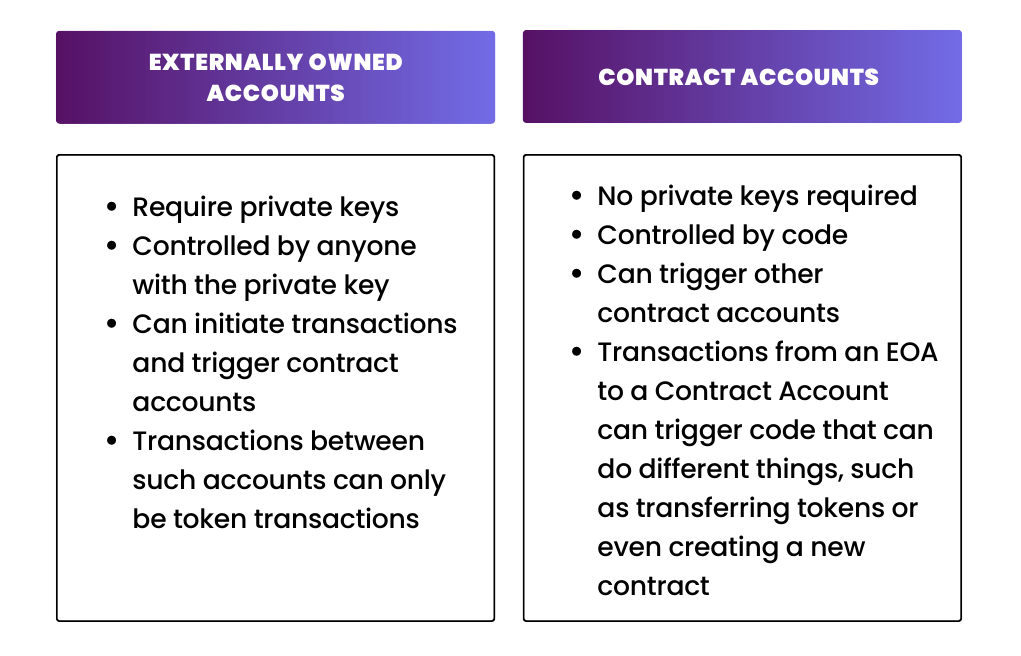
Let's start with the basics. In traditional blockchain setups like Ethereum, there are two types of accounts: Externally Owned Accounts (EOAs), which are your standard wallets controlled by private keys, and Contract Accounts, which are smart contracts running code. Account abstraction basically blurs the lines between them, turning your wallet into a programmable smart contract. This means your account can do way more than just send and receive tokens—it can automate actions, pay fees in any token, or even recover itself without those dreaded 12-word phrases.
Why does this matter? For newcomers, it lowers the barrier to entry. No more fumbling with gas fees or approving every little transaction. For seasoned users, it opens up advanced features like batching transactions or social recovery. It's all about making crypto feel like using a regular app, not a high-stakes puzzle. When I first grasped this, it felt like unlocking a secret level in the crypto game—suddenly, everything seemed more accessible and powerful.
To help visualize the difference, here's a clear comparison between EOAs and contract accounts:
How Account Abstraction Works: Breaking It Down
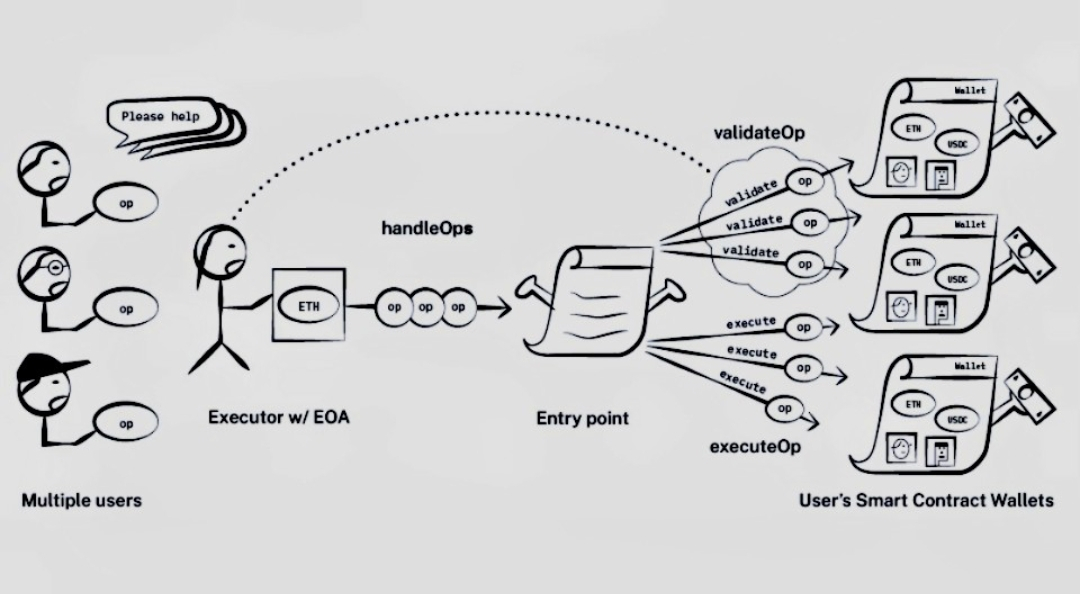
At its core, account abstraction is enabled by standards like ERC-4337 on Ethereum, which went live a couple of years back. Instead of your wallet being a simple key holder, it becomes a smart contract wallet. Transactions are bundled into "user operations" that get processed through an entry point contract. This allows for things like sponsored transactions (where someone else pays your gas) or multi-factor authentication.
Imagine logging into your wallet with biometrics or email, just like your bank app. Or setting up automatic payments without constant approvals. It's not magic—it's clever engineering that separates the signer (you) from the payer or executor. This setup reduces friction and enhances security, making hacks less devastating since keys aren't directly tied to funds.
This diagram really helped me understand the flow:
For those getting started, projects like Argent or Safe (formerly Gnosis Safe) are leading the way with user-friendly implementations. I've been experimenting with them, and it's refreshing how they simplify complex interactions.
Spotlight on ERC-4337: The Standard Powering the Revolution
ERC-4337 is the hero here—it's the Ethereum Improvement Proposal that made account abstraction possible without changing the core protocol. It introduces bundlers, paymasters, and entry points to handle operations efficiently. This means developers can build wallets that support features like session keys (temporary approvals) or gasless transactions.
What excites me most is how it's fostering mass adoption. Think about it: In DeFi, you could swap tokens, lend, and borrow in one go without multiple signatures. For gaming or NFTs, seamless in-app purchases become reality. Even in 2026, with Ethereum's upgrades, ERC-4337 is paving the way for billions to enter Web3 without the headaches.
The Advantages That Make Account Abstraction a Game-Changer
Diving deeper, the perks are huge:
Enhanced Security: Social recovery lets friends or devices help regain access—no more lost funds from forgotten seeds.
Better User Experience: Pay gas in any token, batch actions, or use fiat on-ramps directly.
Flexibility for Developers: Build custom logic into wallets, like limit orders or auto-investments.
Cost Efficiency: Bundling reduces on-chain interactions, potentially lowering fees.
Sure, there are challenges—like higher initial setup costs or reliance on relayers—but solutions are emerging. For experienced folks, it's a tool to optimize strategies; for newbies, it's the on-ramp to confident participation.
Real-World Applications: Where Account Abstraction Shines
This isn't just theory—it's live in action. In DeFi platforms like Uniswap or Aave, account abstraction enables one-click complex trades. Social apps use it for gasless interactions, making Web3 feel social media-like. Even enterprises are eyeing it for secure, programmable treasuries.
Picture paying for a coffee with crypto without approving gas every time, or recovering a wallet via email verification. Projects like Visa's experiments with abstracted accounts show mainstream potential. It's motivating to see how this bridges crypto to everyday life.
Check out this illustration of its impact in Web3:
Taking the Leap: How to Get Involved with Account Abstraction
Inspired yet? Here's my step-by-step to jump in:
Learn the Basics: Read up on ERC-4337 via Ethereum.org or Alchemy docs.
Choose a Wallet: Try Argent for mobile ease or Safe for advanced features. Start small to test.
Experiment: Use testnets to simulate transactions without risk.
Invest Wisely: Look into tokens from related projects, but DYOR—volatility is real.
Join Communities: Forums like Reddit's r/ethereum or Discord groups offer insights and support.
Diving into account abstraction has reignited my enthusiasm for crypto's future. It's about empowerment—making the tech work for us, not the other way around. If I can navigate this, you can too. Let's make smarter choices and embrace the evolution!
What's your experience with smart wallets? Drop your thoughts below—let's discuss and grow together! 🚀