
You have likely lost hours sending wire transfer payments, following signatures and scanning documents which reside in email lines and PDF files. But what would happen if your smart contract is capable of just reading an invoice and checking it with previous data, ensuring its regulatory compliance, and sending money, without the need to get off-chain or to call APIs? It is the question that prompted me to spend two weeks prototyping a small PayFi tool on Vanar Chain. The experience was less complicated than anticipated but it was able to show precisely where the stack excels and where the unknowns continue to lie.
Vanar chain is an EVM compatible modular Layer 1, which was designed since the beginning to be used in applications that require to comprehend the data rather than just store it. Familiar Solidity and Solidity tools are used by the developers though the two other layers convert raw files to something that can be reasoned over by agents and contracts: Neutron compresses documents, records, or conversations into small, verifiable units, called Seeds, stored onchain; and Kayon lets contracts ask natural-language-style questions and have answers generated in context. The entire stack is modeled after PayFi flows and tokenized real-world assets, in which intelligence cannot be added on afterwards.
The Use Case I Chose
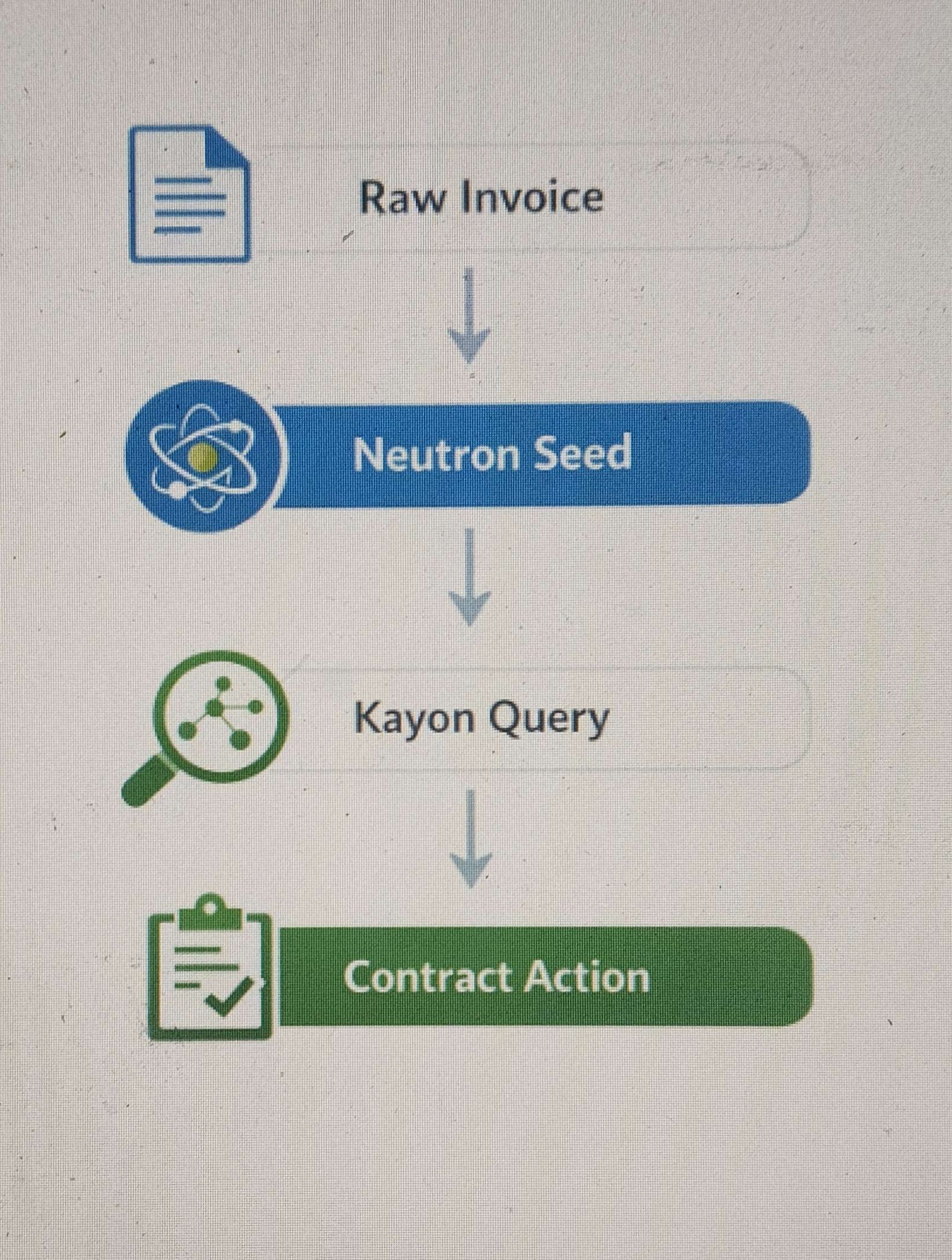
I chose invoice factoring among small businesses, which is a traditional pain point where time is of the essence and trust has it all. It was merely a matter of uploading a invoice and letting the system do its work, the system ensures authenticity, verifies payment history, compliance and even a partial advance or full settlement can be automatically triggered by the system when the conditions are met. In a conventional chain that would have taken offchain parsers, oracles and a significant amount of faith. On Vanar the whole chain remains in chain.
Step 1 -Converting Paper to Programmable Memory.
To begin with, I uploaded sample invoices (PDFs and JSON exports) by means of the Neutron interface. In few seconds every document turned into a Seed: condensed, semantically indexed, and owned entirely by the user. There are no longer IPFS links that can be broken or centralized storage which requires constant syncing. The Seed exists onchain, and thus any contract or agent can be able to refer to it without re-uploading. In order to have a real test I took three months of fake invoices of a fictional logistics company, dates, values, signatures, proofs of delivery attached. Neutron acted without objection to the diversity.
Step 2 -Asking Mattering Questions.
Next came Kayon. I did not write out elaborate if-then logic to cover each and every edge case, but I wrote a very simple contract feature which asked in plain language, asking: Does this invoice match the purchase order reference, is the recipient verified and are there any outstanding compliance flags? Kayon provided structured, auditable responses of which the contract could take action. When the Seed was live the first successful end to end test required less than 40 lines of new code. A simulated release of payment following the natural-language confirmation seemed to me as though the contract had actually read the contract.
The Decision Framework I Used Prior to Committing.
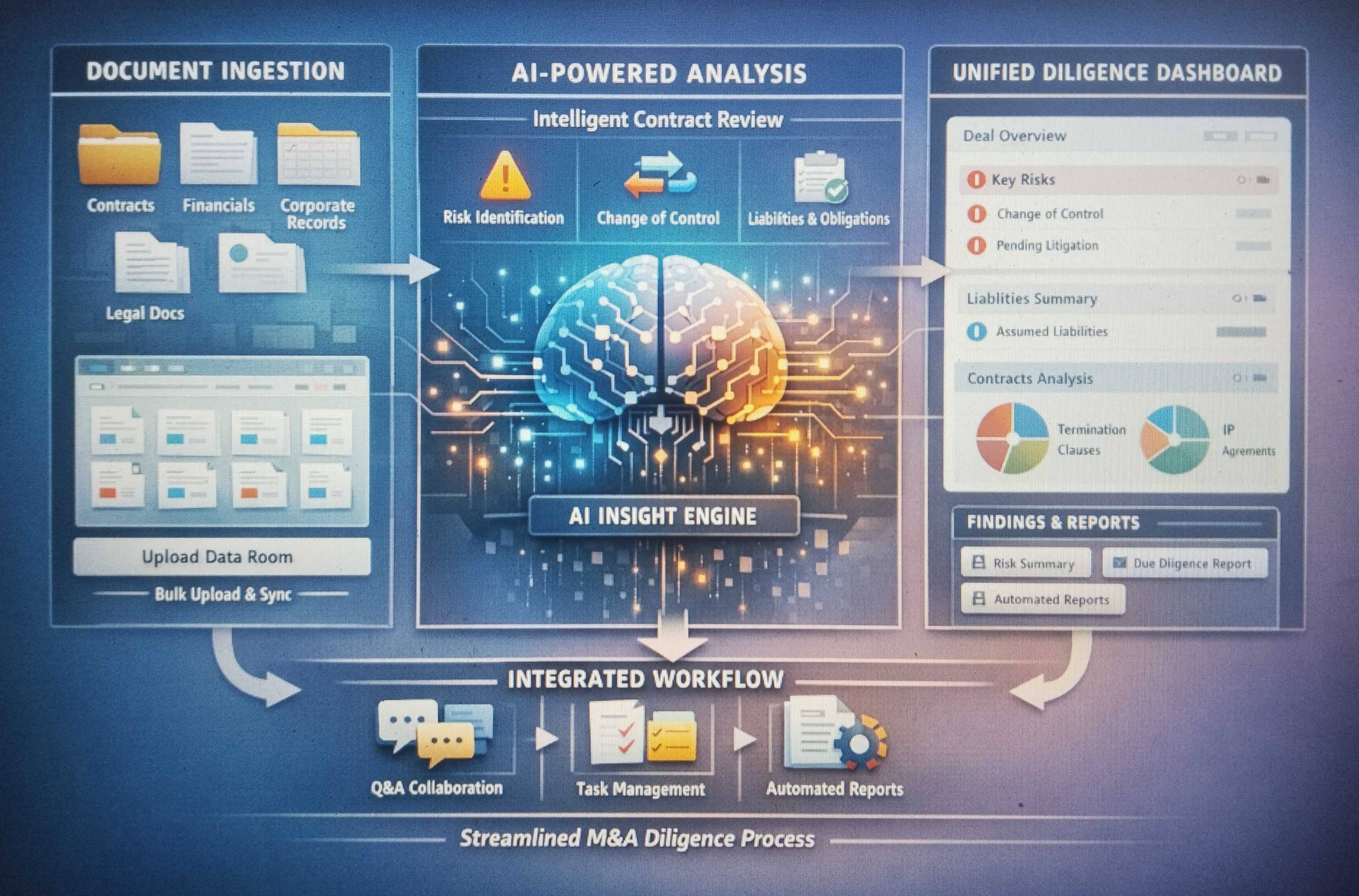
I filtered all my ideas with a simple three-question test that seems to come in handy before delving into further detail:
Does the application require interpretation of data (not of its hash or even its presence)?
Onchain reasoning Could eliminate an existing reliance on offchain services or oracles?
Do I feel comfortable using EVM tools in the process of becoming familiar with two new levels of data?
In case there are two or more yes answers, the prototype is worth the weekend. My invoice generator passed through the bar with ease.
Accountability where the Enthusiasm and Reality Met.
The prototype was successful, however, it also demonstrated actual tradeoffs. Decentralized reasoning is effective, but its variables are not those of traditional execution layers model outputs can differ a bit across nodes, inference costs are cumulative at scale, and how onchain AI behaves long-term under adversarial conditions is a stress-tested experiment in the wild. When the answers given by Kayon begin to diverge significantly or the regulatory authorities determine that some decisions made by automated financial systems need to have a human control loop, the whole value proposition becomes different. This is the one uncertainty that causes me not to state that the stack is solved yet.
Risks and What to Pay Special Attention To.
Maturity of the layers Neutron and Kayon are operational, but the entire vision (including Axon automations and Flows) has yet to be implemented; breaking changes or performance variations can still happen within the next quarters.
AI consistency and security Even verifiably modeled systems are gameable; one tainted Seed or ill-trained query might result in false behavior in the production system.
Adoption flywheel PayFi requires counterparties to be on the same chain; the lack of liquidity or fragmented user bases may bring the actual implementation to a halt.
Regulatory surface Onchain automated decisions are standing at the interfaces of finance, data privacy, and AI regulation; a unilateral alteration of jurisdiction in most cases will make some flows sluggish.
Validator and economic incentives — According to the participation in the dPoS, it is necessary to be healthy; any concentration of the stakeholders would cast doubt on the long-term neutrality.
Lessons Learned on the Practical Side.
Start simple (one small type of document and one decision to make (approve/reject/pay) as opposed to building the whole vertical in one go.
Winning on the familiarity of EVM- put 80 percent effort on the new data layers, and 20 percent on the contract logic.
Note down all Seed-to-action flows initially it is your best debugging kicker and later on boarding reference.
@Vanarchain $VANRY #Vanar