

This is one question which the discourse at Layer 1 level pays little attention to: what is the experience of actually using the chain? We talk about TPS numbers and validator architecture forever, yet it is not necessarily the technical that makes people get rid of a new chain, it is friction. Too many wallet pop-ups. Raziners may happen in the middle of the trade. Limit orders are not dependable on confirmations that are not lost. To avoid another architecture tourism, we will take a stroll through what it is that @fogo can do at the level of the user, step by step.
Quick Refresher
Fogo is a Layer 1 SVM optimized trading platform, and with sub-40ms block times, it operates a pure Firedancer validator client. Mainnet will be launched in January 2026 having approximately 10 dApps. However, now we are not discussing what is under the hood, but what happens to the driver.
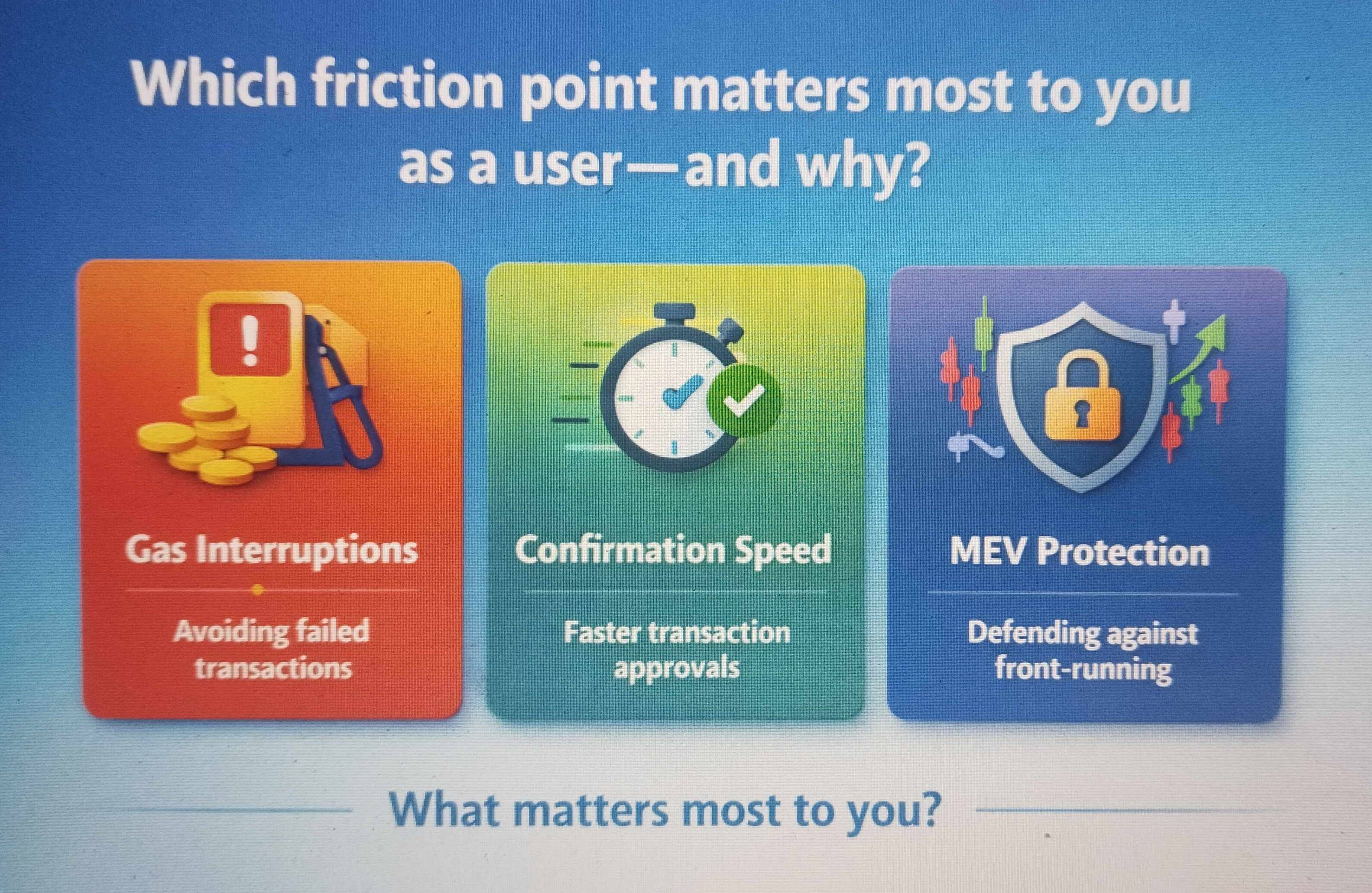
Friction Point 1: Gas Fee Interruption Loop Interrupt.
In the majority of chains, each action will lead to a wallet confirmation with an estimated gas price. For a casual swap, that's fine. However, with active traders who are making and modifying orders, and which can be taking limits, cancelling, and replacing, every pop-up interrupts the flow.
Account abstraction is used to collapse this at Fogo Sessions. Only once and then authorize a session, without having to be prompted to press the gas key over and over again. Imagine it is an opening one tab in the bar and not per drink.
Mini case study: Consider a Valiant traders who has just placed a limit order on the DEX and then would like to modify it twice with as the market changes, and then cancellations before reentering a different price. Four wallet confirmations, four gas estimates, and four pauses of the interface are those that occur on an average chain. During Fogo Sessions, the only signing in and four smooth actions. It is not just a difference on paper, that is the difference between a workflow, which would seem like a web application, and one that keeps reminding you that it is a blockchain.

Friction Point 2: Reciprocation of Uncertainty of Time-Sensitive Trades.
Variable block times introduce some type of hidden UX issue: you put an order in and do not know when it will be confirmed. That uncertainty is important on 400ms+ block chains and congestion spikes to the liquidation management, arbitrage, or market buying in times of volatility.
The block times of Fogo are reduced to about 40ms and the finality takes about 1.3 seconds, which compresses that window to a small size. It is not that all trades are instant, but the difference between the confirm button and the results has been reduced to the point that it alters the behavior of traders. You no longer hedge the timing, but trust the interface.
The MEV Anxiety Tax is the friction point number 3.
It is what seasoned DeFi users are used to: place a massive swap and are left wondering whether you are going to be sandwiched. That anxiety results in an invisible tax an intelligent user avoids filling out private mempools, a less intelligent user absorbs the expense unconsciously.
The protocol-level design of $FOGO, namely, batch auctions, implemented DEX primitives and MEV mitigation at the validator level alters the default. The base layer curbs unfair extraction instead of making a choice to protect it. It remains unclear whether this scale is safe, but made safe enough to be definitely not power-user friendly, is the process.
The Honest Tradeoff
Each UX enhancement in this case is subject to a caveat. The permissions are to be correctly processed with trusting account abstraction, this is the reason why Fogo Sessions is vulnerable to a different type of risk, namely, a session bug, rather than a gas fee. Fast finality requires adherence to the tradeoffs of centralization and is conditional upon the existence of the curated validator set. And the MEV mitigation of And Fogo is mostly untested in the case of sustained adversarial operation at high volume. The gains of UX exist, however, they are not free.
@Fogo Official $FOGO #fogo