
I’ve noticed something about myself during shaky markets. My instinct wants to “do something.” Reallocate. Rotate. Chase the next rebound. It feels productive.
But when the headlines turn dramatic and charts start sliding, the smartest move usually isn’t action. It’s restraint. It’s protection.
During recessions, sharp corrections, or just that uneasy, foggy uncertainty, I’ve learned that resilience matters more than excitement. Preserving capital quietly beats chasing growth loudly.
That’s where defensive assets come in. These are the businesses people rely on no matter what the market is doing. Rent still gets paid. Groceries still get bought. Lights still come on.
And honestly, that reliability feels underrated until you really need it.
1. Consumer Staples
Walmart
Procter & Gamble
Coca-Cola
PepsiCo
Groceries. Soap. Drinks. Toilet paper.
Not glamorous. Not revolutionary. Just constant.
Companies like Walmart and Procter & Gamble don’t depend on booming economies to survive. People may cut vacations. They may delay buying a new car. But they rarely stop buying toothpaste.
I’ve found that when markets wobble, these are the names that feel… steady. They may dip, sure. Everything does. But they tend to recover without drama.
2.Healthcare
Johnson & Johnson
HCA Healthcare

Illness doesn’t wait for GDP numbers to improve.
Healthcare companies often generate consistent cash flow because medical care isn’t optional. Johnson & Johnson, for example, spans pharmaceuticals, medical devices, and consumer health products. That diversification alone adds stability.
When I think about defensive investing, healthcare always feels foundational. It’s tied to human necessity, not consumer mood.
3 Utilities
Dominion Energy
Electricity. Water. Gas.
There’s no “cutting back” on these in any meaningful way. Utility companies typically operate in regulated environments with predictable revenue.
They’re not exciting stocks. They rarely double overnight. But when volatility spikes, predictable earnings suddenly become attractive. I’ve come to appreciate boring a lot more over time
4 Value & Discount Retailers
Costco
McDonald's
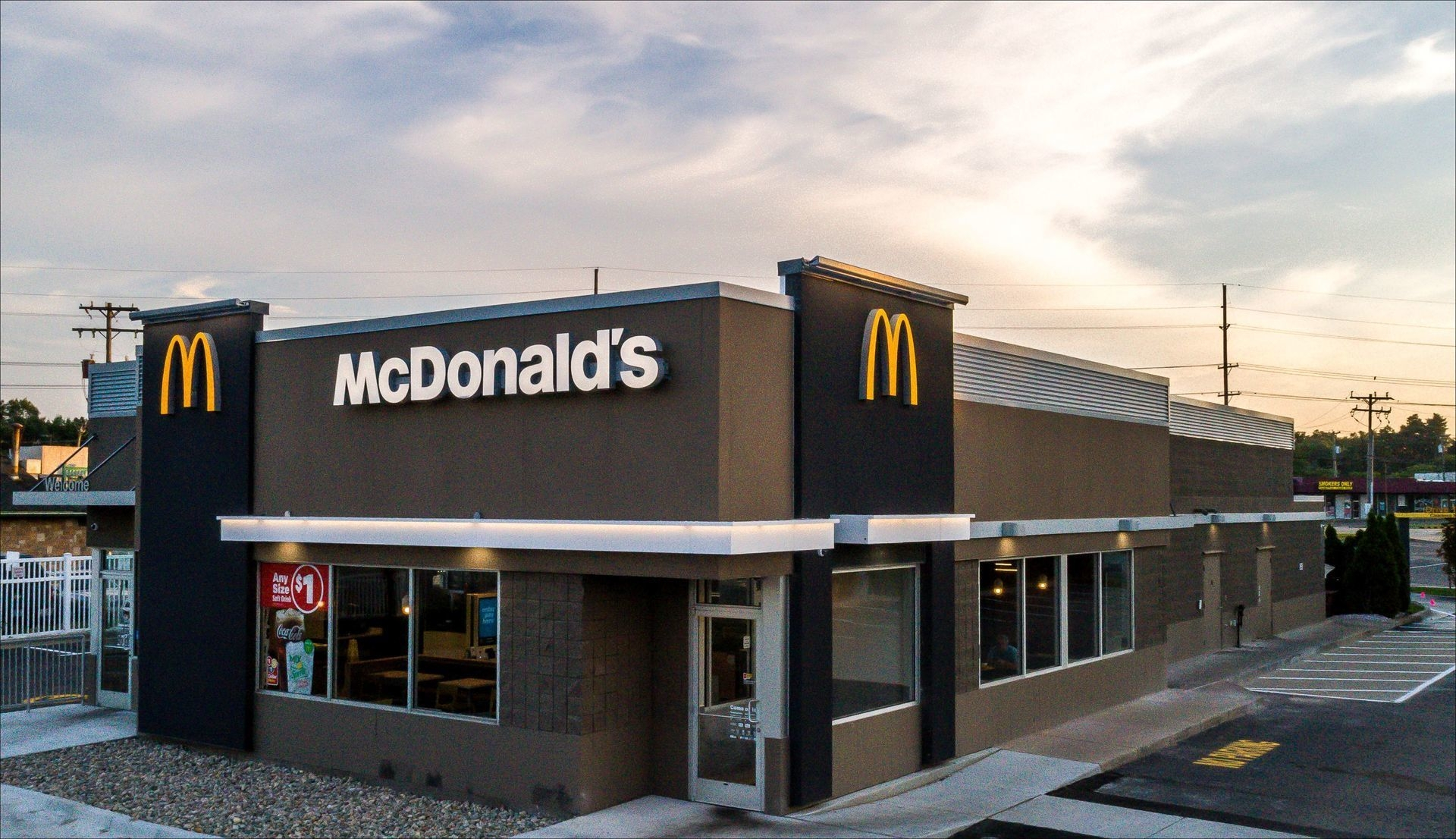
When budgets tighten, people trade down. They don’t disappear.
Costco often benefits from bulk buying during uncertain times. McDonald’s tends to attract consumers looking for affordable meals when dining budgets shrink.
This shift in consumer behavior is something I’ve watched happen in real time. Spending doesn’t vanish. It adapts.
Adding Gold and Silver
Equities aren’t the only anchors.
$XAU has long been viewed as a store of value when currencies weaken or markets panic. It doesn’t produce cash flow, but it carries psychological weight. Investors flock to it when confidence drops.
$XAG is interesting because it sits between defense and growth. It shares gold’s safe haven reputation, but also benefits from industrial demand during recovery phases.
As someone who trades volatile sectors like crypto and tech, I’ve found that having a small allocation to metals helps me sleep better. It doesn’t eliminate risk. Nothing does. But it smooths the emotional swings.
And that matters more than most people admit.
Conclusion
In uncertain economic environments, stability becomes a strategy, not a compromise.
Defensive stocks across consumer staples, healthcare, utilities, and value retail, combined with hard assets like gold and silver, can act as shock absorbers within a broader portfolio. They may not deliver explosive gains, but they often lose less, recover faster, and provide steady income when markets turn turbulent.
The goal is not to eliminate risk entirely. That is impossible. The goal is to balance opportunity with protection so that short term volatility does not derail long term progress.
Building around resilience allows investors to stay positioned for future growth while maintaining the confidence to weather temporary storms.