

A huge on-chain move just caught everyone’s attention. An early Ethereum whale has transferred 261,020 $ETH around $546 million into Binance. Whenever that kind of size moves, the market naturally reacts. Not because whales always dump, but because capital at this scale has the potential to influence short-term price action.
But before jumping to conclusions, we need to slow down and look at the bigger picture.
A deposit to an exchange does not automatically mean a sell-off is about to happen. Yes, historically, large transfers to centralized exchanges can sometimes signal selling pressure. Traders often move assets to exchanges when they want to sell, hedge, or open new positions. But that’s only one possible reason.
Whales move funds for many different purposes. It could be collateral management for derivatives. It could be preparation for an OTC transaction. It might even be simple wallet restructuring or strategic rebalancing into another asset. On-chain data tells us that coins moved it doesn’t tell us why.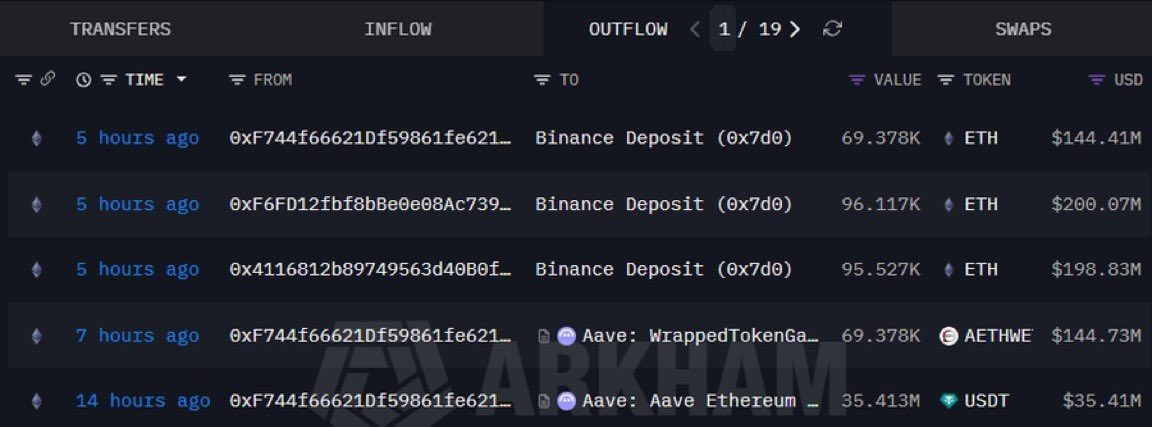
That said, the size of this transfer is undeniably significant. Over half a billion dollars worth of ETH sitting on Binance increases the available supply on the exchange. Even if only part of it gets sold, the market could experience short-term volatility. Markets often react to the possibility of selling before actual selling even happens.
In my view, this situation highlights how sensitive liquidity can be. Ethereum is one of the most liquid crypto assets in the world, but large whale activity still creates psychological pressure. Retail traders tend to react emotionally to whale movements, sometimes panic-selling before there is any confirmed downside.
This is where patience and discipline matter.
If the whale decides to sell aggressively, we could see temporary downside and sharper volatility. But if no major sell orders appear, the market may absorb the deposit smoothly and continue trading normally. A mature market is one that can handle size without collapsing.
The real takeaway here is simple: don’t trade based purely on headlines. Watch the price reaction, monitor volume, and see how the order books respond. Movement alone doesn’t equal intention.
Right now, we’ve seen the transfer. What happens next depends on execution and how the market chooses to respond.