

A few years ago I was sitting with our ops team late at night, staring at a screen full of “pending” statuses. Nothing catastrophic. Just slow. Slow enough that customers started sending the same payment twice. Slow enough that support couldn’t confidently say, “Yes, it’s settled.” That gray zone is where trust gets damaged. I see the same pattern play out onchain when stablecoin transfers get unpredictable under load. The network is technically up, but from a business standpoint, it feels shaky.
My view is simple: Plasma matters because it is designed so stablecoin settlement stays predictable when traffic is constant and messy. Not just when things are calm. Plasma is a Layer 1 built around stablecoin movement as its primary responsibility. That focus changes everything. Instead of competing priorities, the chain is tuned to keep value flowing steadily. I think of it like a power grid managing demand throughout the day. You do not notice it when it works. You definitely notice when it does not.
The biggest issues I see are not dramatic hacks. They are small user failures that repeat thousands of times. Someone has USDT but no native gas token. They try to send. It fails. Now they need to buy gas, wait, retry, maybe miscalculate. I have watched this spiral into duplicate transfers and accounting confusion. Plasma removes that friction by making stablecoin transfers effectively gasless for the user. Through fee abstraction — a paymaster-style setup — fees can be covered in approved tokens instead of forcing a separate gas asset workflow. The user experience becomes one action instead of three. That single design choice eliminates a surprising amount of operational noise. It feels closer to hospital triage: clear the routine cases quickly so the system can stay calm.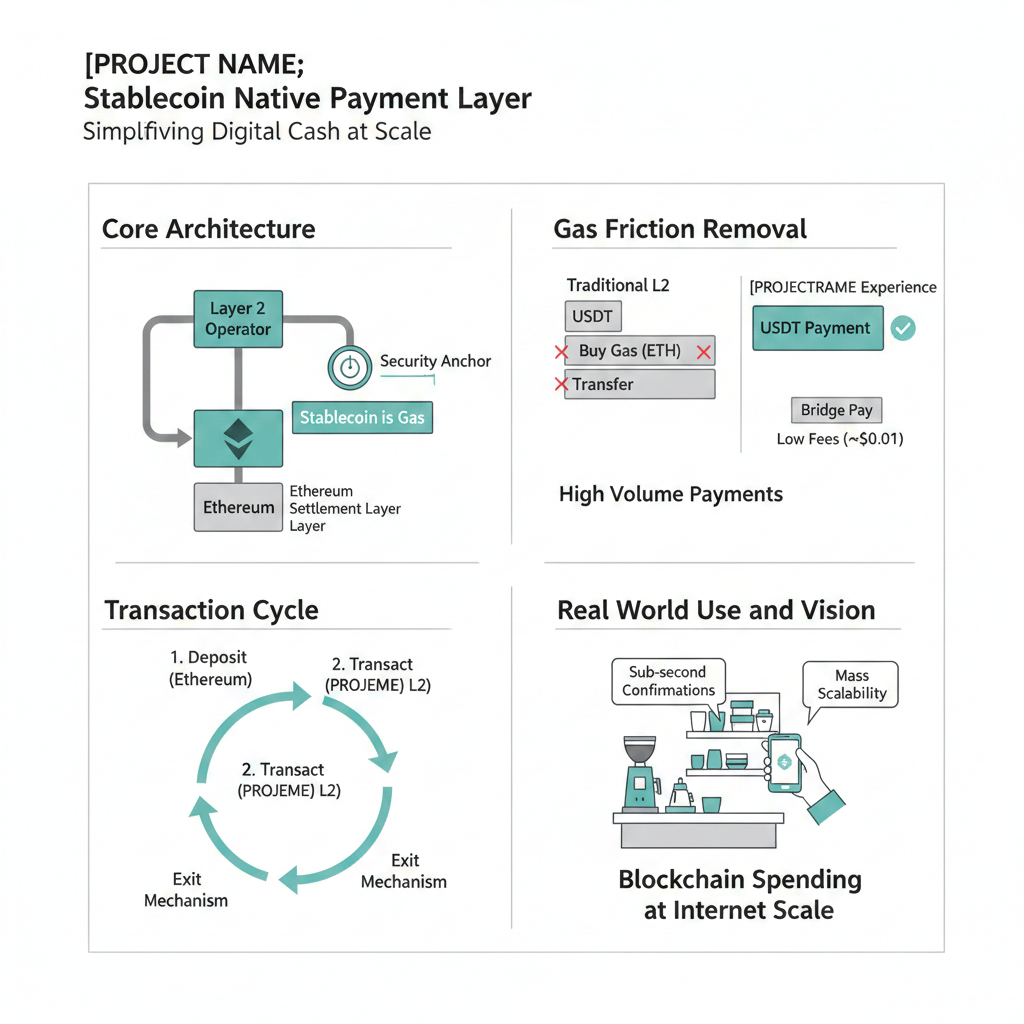
From a builder’s perspective, I do not want to relearn everything. Plasma is EVM compatible. Solidity still works. Existing tooling still works. That matters. But the chain itself is tuned for payment flow, not endless experimentation. When you expect heavy transfer volume, you optimize for throughput and orderly processing. I think about airport baggage handling. The goal is to move thousands of bags without losing track, not to constantly redesign the conveyor belts. PlasmaBFT, the consensus model, is less about buzzwords and more about settlement behavior. When a transaction is finalized, I need to confidently treat it as done. Fewer ambiguous states mean fewer late-night reconciliation calls.
Security posture also shapes trust. Plasma anchors aspects of its design to Bitcoin. I do not see that as a marketing line. I see it as a signal about neutrality and resistance to censorship pressure. The native Bitcoin bridge works by locking BTC on Bitcoin and minting a corresponding asset on Plasma. Withdrawals require verifier participation and threshold signing to release funds. No single signer controls the process. Still, I stay realistic. Bridges carry risk. I watch validator distribution, signer incentives, and monitoring practices. In my experience, failures usually come from coordination gaps, not code alone.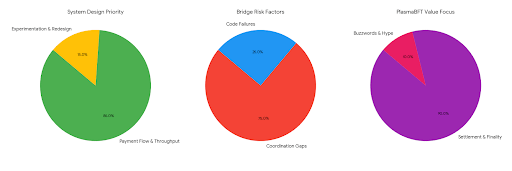
The rollout strategy tells me whether a chain understands liquidity reality. Plasma is not launching into silence and hoping users show up. Early integrations, liquidity planning, and wallet support are part of the approach. Support for USDt0 is one example of trying to standardize how stablecoins move across environments, which reduces format confusion. XPL exists to incentivize validators and keep operations aligned, but the person sending stablecoins should not have to think about token mechanics. If complexity leaks into the user experience, adoption stalls.
I recently looked at a 24-hour snapshot: steady transaction counts, new addresses appearing, contracts being deployed and verified. Those numbers are signals, not proof of anything. Over the next 90 days, my checklist is straightforward. Do transfers remain reliable during volume spikes? Are fees stable? Are serious wallets and applications integrating it as a primary rail? Are gasless safeguards well managed so paymaster balances cannot be abused? If those answers trend positive, confidence builds quietly.
For me, Plasma earns attention because it treats stablecoin settlement like something that has to work on a stressful day, not just a demo day.