

When I think about Vanar, I don’t approach it as something to be evaluated on excitement or novelty. I frame it as a piece of infrastructure that is trying to earn the right to exist by staying out of the way. That framing matters because it changes the questions I ask. Instead of asking what it promises, I ask what kind of behavior it quietly enables and what kinds of problems it seems designed to prevent before they ever reach the user.
After spending time studying how Vanar is structured and where it is actually used, I’m struck by how consistently it assumes that most people do not care about blockchains at all. That may sound obvious, but very few systems truly internalize it. Vanar appears to start from the premise that users arrive through familiar activities—games, digital environments, brand interactions—and that anything which interrupts those flows becomes friction. The chain is not meant to be understood; it is meant to be tolerated so little that it fades into the background.
What reinforces this interpretation for me is the kind of usage its ecosystem supports. Platforms like Virtua Metaverse and the VGN games network are not forgiving environments. They expose weaknesses quickly because users behave honestly. They leave when things feel slow, confusing, or unreliable. There is no patience for learning curves or abstract explanations. Watching how these products operate tells me more than documentation ever could. They function as ongoing stress tests, not as showcases. The fact that they prioritize continuity and familiarity suggests the underlying infrastructure has been shaped by real constraints rather than theoretical ones.
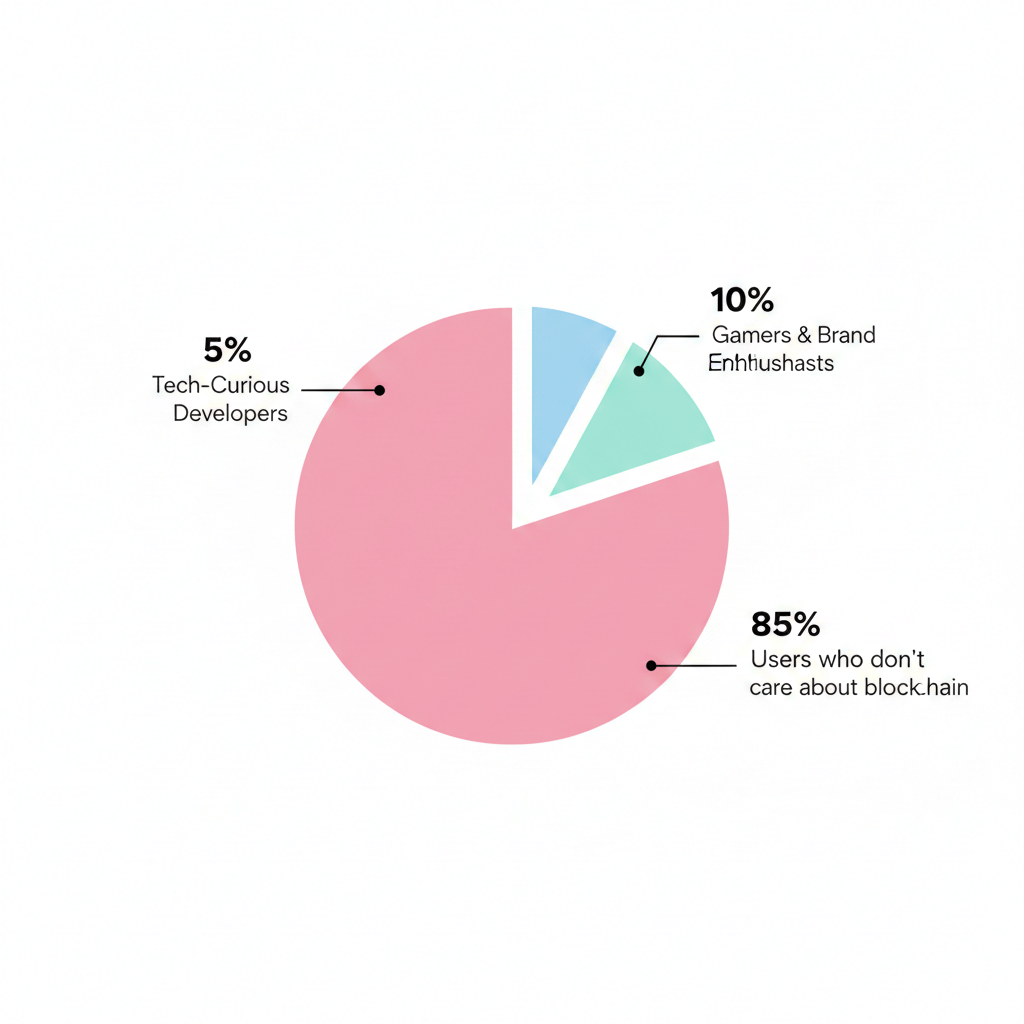 Vanar’s design choices seem oriented around minimizing moments where a user has to stop and think. Onboarding does not feel like an initiation into a new system; it feels like entry into an experience that already knows what it wants to be. That choice carries trade-offs. Hiding complexity requires more work behind the scenes. It means the system has to absorb errors, edge cases, and scale-related issues internally instead of passing them along to users. But for consumer-facing environments, that trade-off is unavoidable. Every exposed mechanism becomes a potential exit point.
I also notice a certain restraint in how the platform spans multiple verticals. Gaming, metaverse environments, AI-related tools, and brand solutions are very different contexts, yet Vanar does not force them into a single story. They coexist as different expressions of the same underlying goal: supporting everyday digital behavior without demanding new habits. Each vertical introduces its own pressures. Games demand responsiveness. Brands demand predictability and reputational safety. Virtual environments demand persistence over time. Rather than smoothing these differences away, Vanar seems to let them shape the system’s priorities.
One thing I pay attention to when evaluating infrastructure is how it handles complexity without turning it into a feature. Vanar does not celebrate its internals. There is no sense that understanding the system is part of the reward. That tells me the intended audience is not the technically curious user, but the ordinary one who simply wants things to work. Complexity still exists, of course, but it is contained. The system takes responsibility for it instead of outsourcing it to the user’s patience.
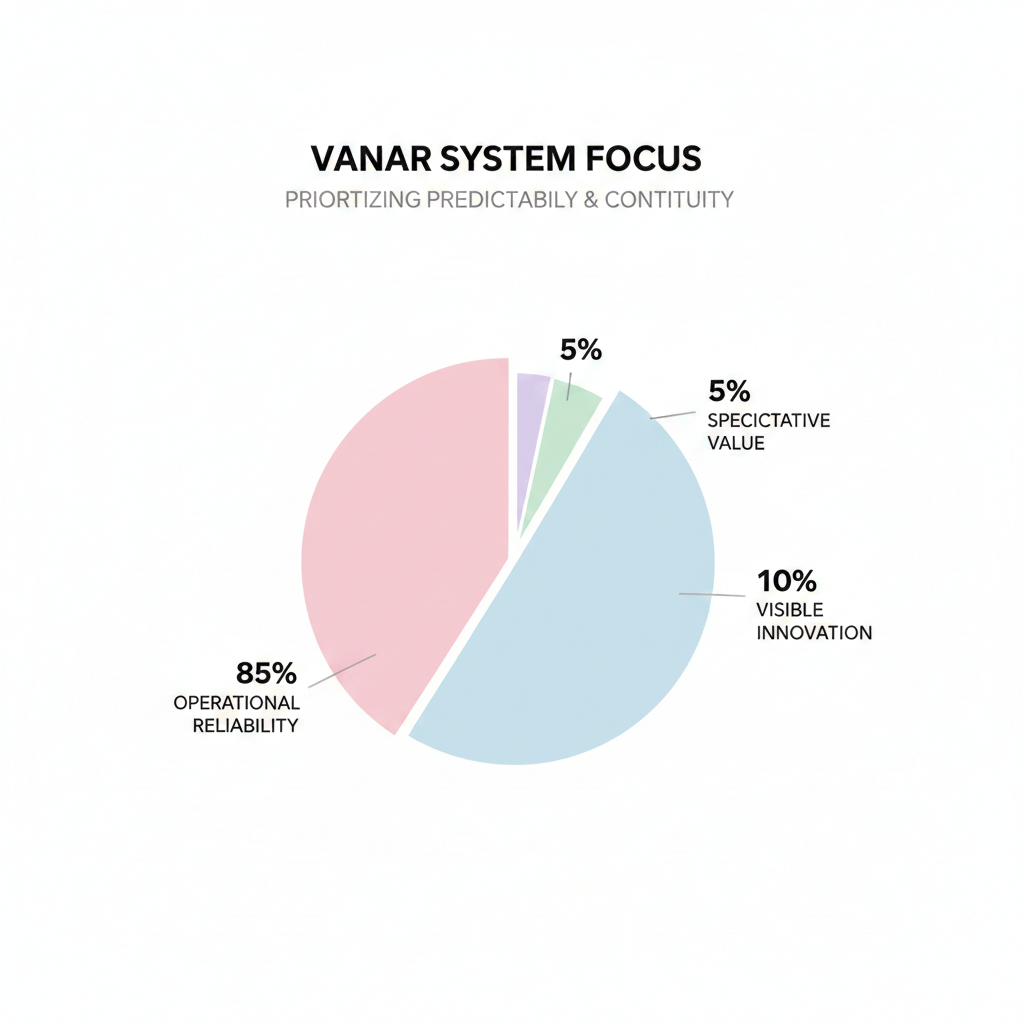 This philosophy becomes clearer when I look at how real applications behave over time. Virtua is not interesting because it is a metaverse in name, but because it operates continuously. Persistence exposes weaknesses. Small inefficiencies accumulate. Users return with expectations shaped by other digital experiences, not by blockchain norms. The same is true for game networks like VGN. Games are ruthless judges. They don’t care about architectural elegance. They care about whether the experience remains smooth across sessions. That Vanar supports these environments quietly suggests a focus on operational reliability rather than visible innovation.
I’m cautiously curious about how Vanar approaches scale, not as an ambition but as a condition it expects to encounter. Systems built for entertainment and brands cannot assume small, technically savvy audiences. They must handle sudden influxes of users who have no interest in understanding what they are interacting with. Designing for that reality requires accepting constraints early. It means prioritizing predictability over flexibility and consistency over experimentation. From what I can observe, Vanar appears to make those choices deliberately.
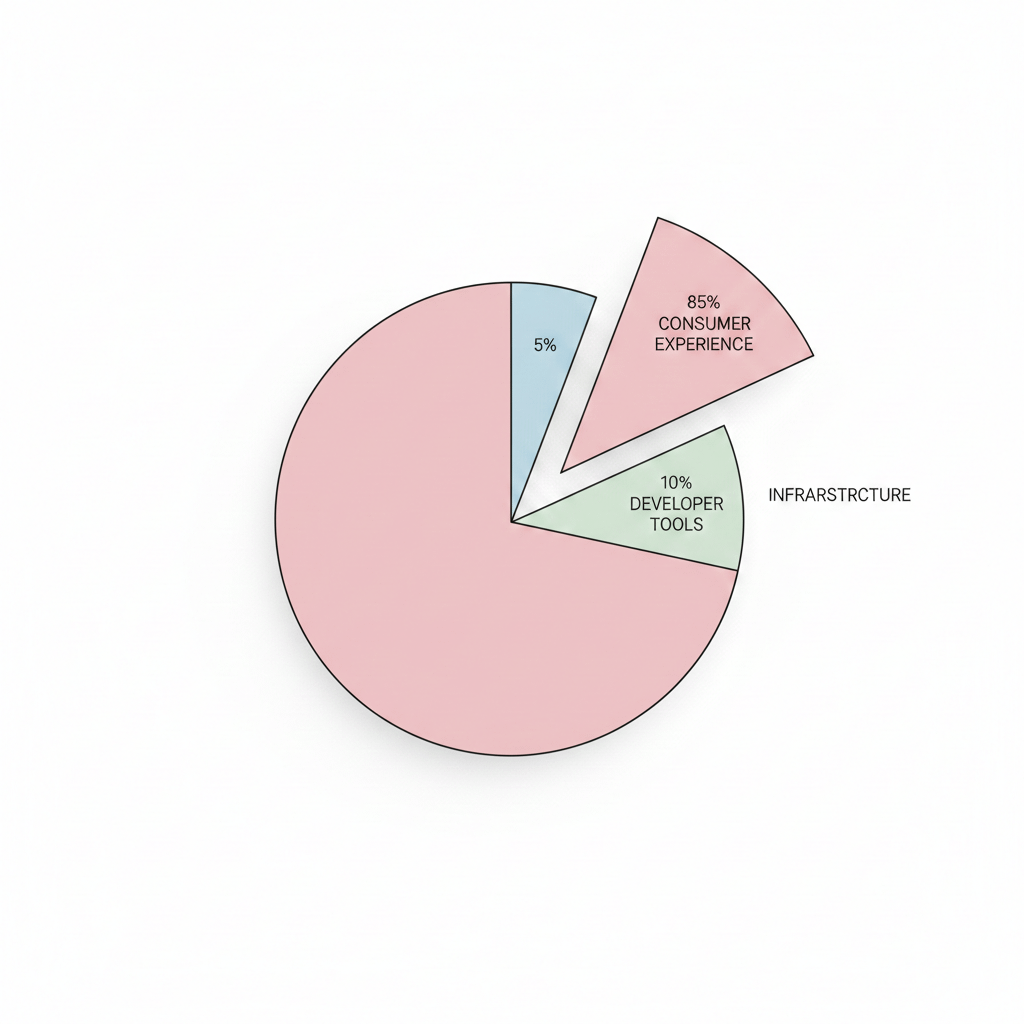 When it comes to the VANRY token, I find it useful to think about what it does not try to do. It does not appear positioned as an object of attention. Its role feels utilitarian, focused on enabling participation and coordination within the system. That restraint matters because consumer platforms tend to break when economic mechanisms overshadow the experience itself. For everyday users, the best token is often the one they barely notice, as long as it quietly supports access and continuity.
What I respect about this approach is its acceptance of human behavior as it is, not as it could be in an idealized future. Users forget, lose interest, and move on quickly. They value smoothness more than principles and familiarity more than novelty. Vanar seems designed around those truths. That makes it less flashy, but potentially more durable. It is not trying to teach users why it exists. It is trying to make itself irrelevant to their day-to-day decisions.
Stepping back, Vanar feels like a signal of a more grounded direction for consumer-focused blockchain infrastructure. Not louder, not more complex, and not more demanding, but quieter and more disciplined. If it succeeds, it won’t be because people admired its design. It will be because they used products built on it without ever feeling the need to think about what was underneath. For infrastructure, that kind of invisibility is not a weakness. It is the point.
