Hey fam, gather around because we need to talk about something that has been buzzing in our group chats, and that’s FOGO, the blockchain that’s not just another shiny coin, but a serious attempt at redefining how on-chain trading and decentralized finance feel in the real world.
I want to dive into this from the heart, like I’m talking to people I’ve been building with for months now. No robotic fluff. No recycled hype. Just what’s real, what’s new, and why this matters if you’re actually paying attention to the evolution of crypto infrastructure.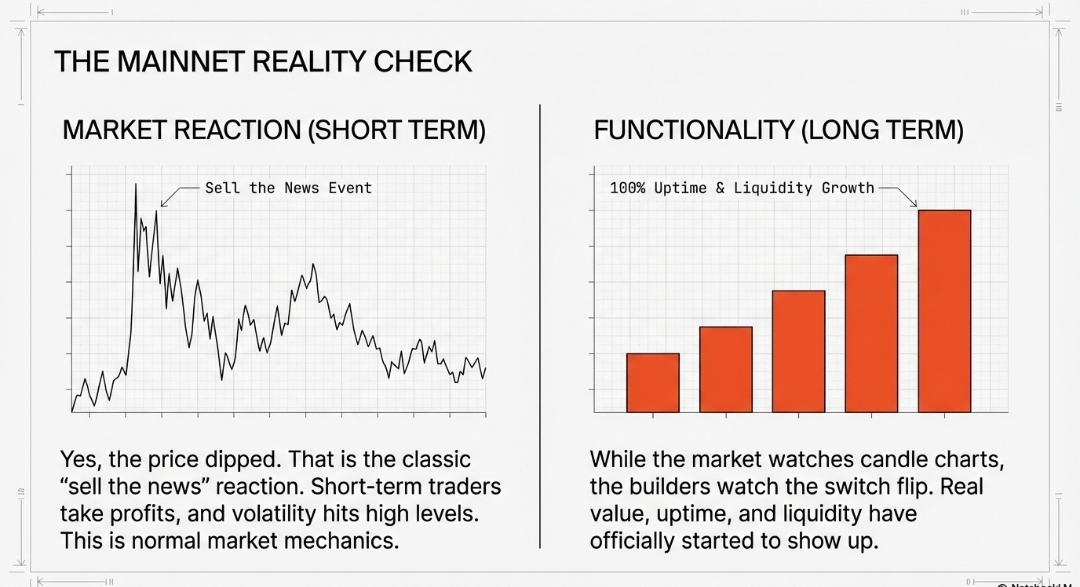
Let’s dig in.
Why Fogo Is Not Just Another Layer One
A lot of projects out there brand themselves as “next generation” or “high-performance,” but Fogo actually walks that talk. This ecosystem is built from the ground up on something called the Solana Virtual Machine (SVM), but with enhancements that aim to push performance to levels traditional L1s struggle to reach. Real-world traders and developers have been screaming for speed, low latency, and reliability. Fogo answers that call aggressively.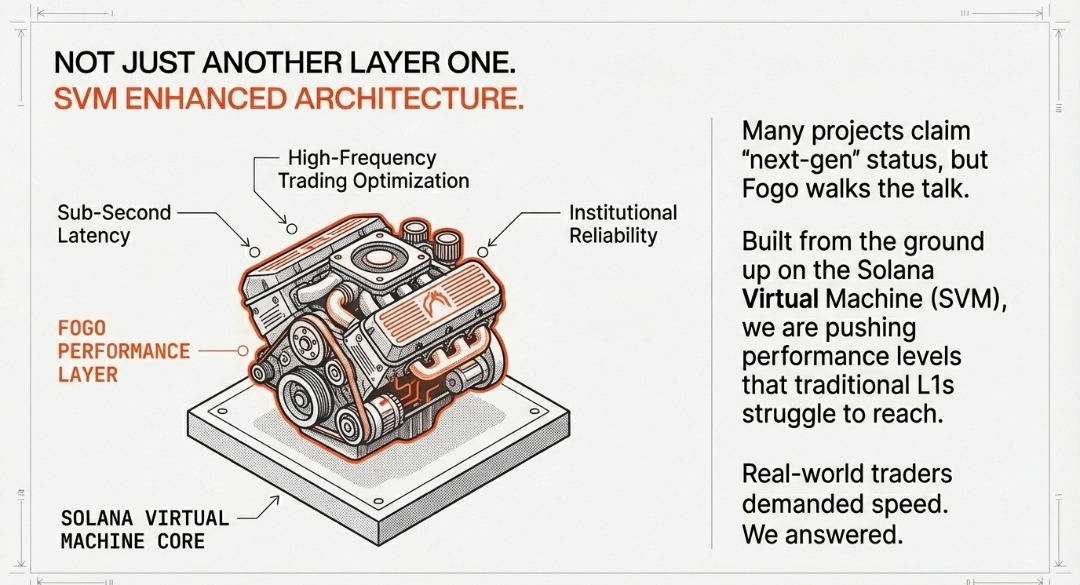
To give perspective, in this space, block time matters. Fogo’s network is delivering block times around forty milliseconds, which sounds technical, but what it means is near-instant settlement, ultra-fast execution for traders, and a slippage reduction that traditional chains don’t even come close to achieving.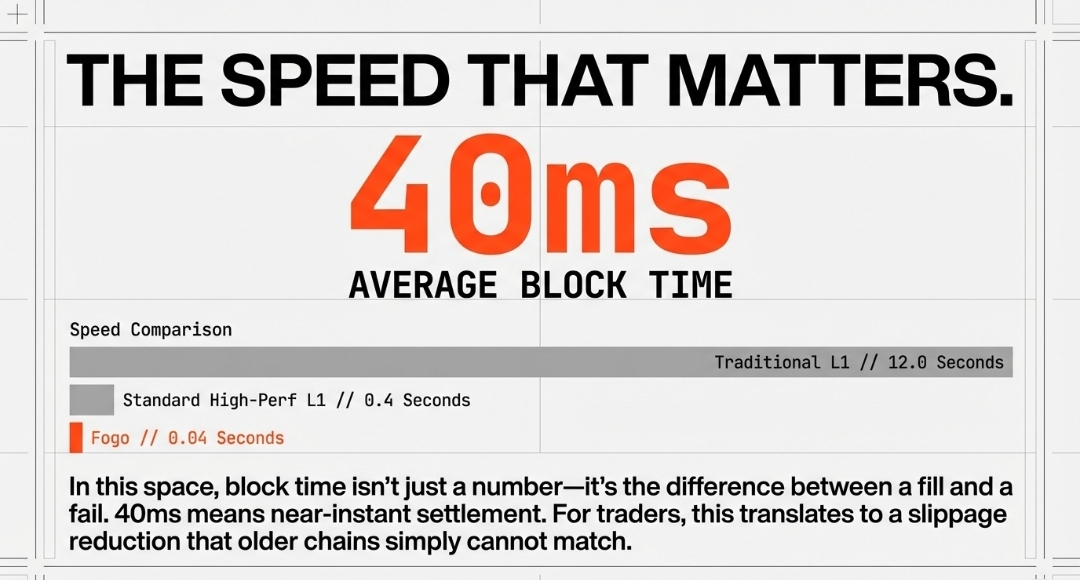
This is the kind of thing that can affect real usage, not just hold and hope.
The Mainnet Launch Is Officially Live
Yep, the big moment we’ve been waiting for finally happened. The Fogo mainnet went live, and with it, tons of real applications began operating on the network. This is huge because we moved from test environments into actual usage where real value and real liquidity start to show up.
When mainnets go live, there’s that classic “sell the news” reaction from markets, and Fogo saw a price dip early on. But this is normal. When something finally switches from test to real, a lot of short-term traders take profits. What matters more than the token chart that day is the functionality that’s now live.
And there’s actually a lot now live.
More Than Just One Application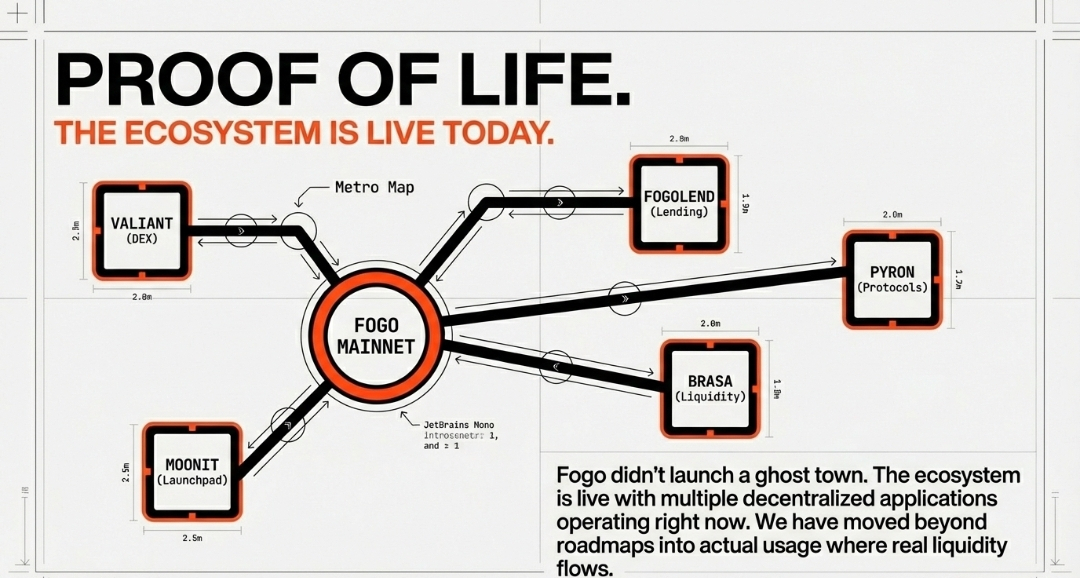
Fogo didn’t just launch a basic network and leave us hanging. The ecosystem right now includes multiple decentralized applications that speak directly to trading and DeFi:
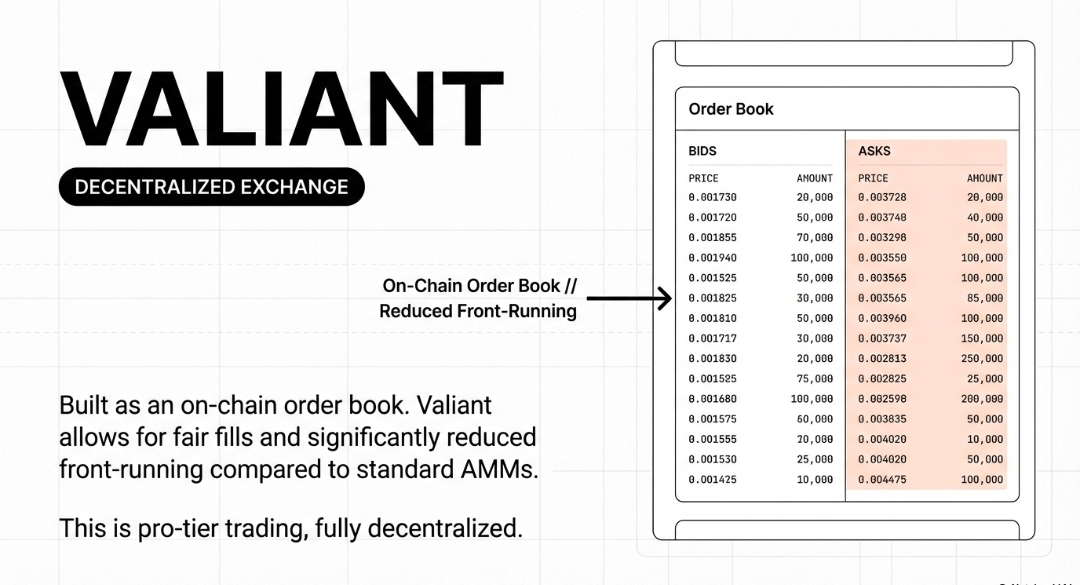
Valiant: A DEX built as an on-chain order book, allowing for fair fills and reduced front-running.
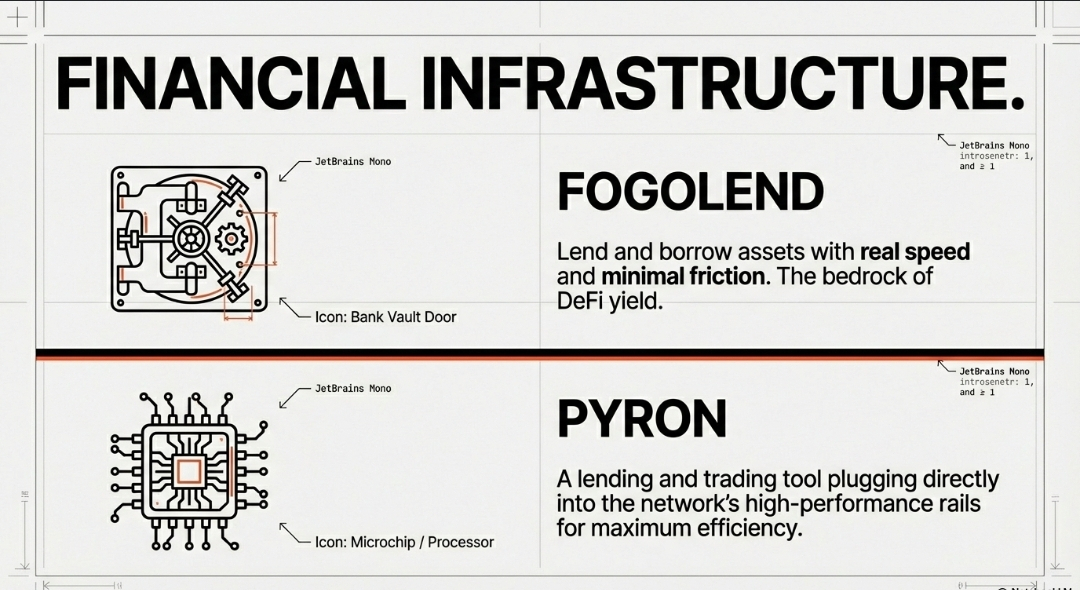
Fogolend: A lending protocol where you can lend and borrow assets with real speed and minimal friction.
Pyron: Another lending and trading tool that plugs straight into the network’s high-performance rails.
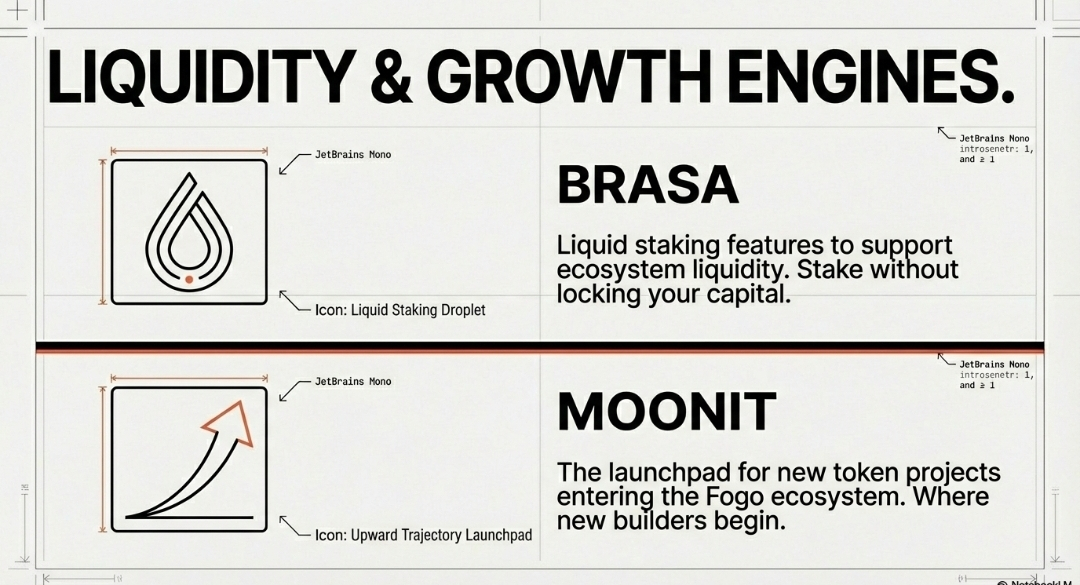
Brasa: Liquid staking features to support ecosystem liquidity.
Moonit: A launchpad for new token projects on Fogo.
And this is just the beginning. The team has publicly stated they plan to double the number of live apps in the coming months.
This matters because a blockchain does not become meaningful by existing alone. It becomes meaningful when people actually use it. And these apps give users reasons to interact, beyond speculation.
Token Mechanics: It’s Not Just a Meme
Now let’s talk about the FOGO token because many of you ask how it actually works in the ecosystem.
FOGO is not a simple “pay and dump” token. It has several core functions that matter for long-term health:
It pays for gas fees whenever you do anything on chain, send tokens, trade, interact with apps, etc.
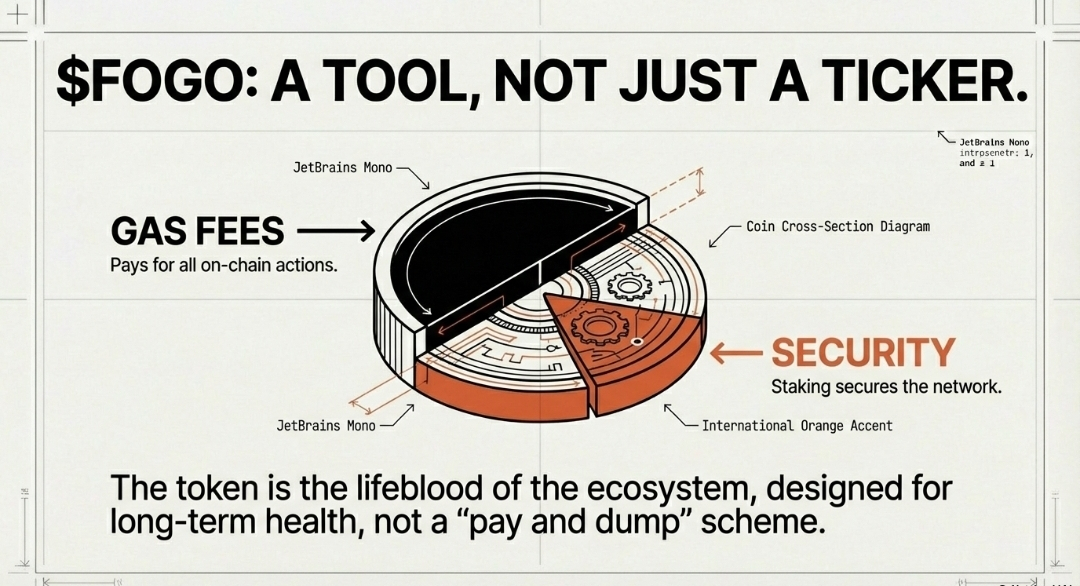
You can stake it to help secure the network and earn rewards.
Holders have governance rights, which means you can vote on upgrades and ecosystem decisions over time.
Some parts of the ecosystem use it for discounts and liquidity access, especially on the native DEX.
In short, this token is a real tool, not just a ticker on an exchange.
Community First: Airdrops Over Paid Presales
Something I really respect about this project is the way they approached distribution.
Instead of doing a typical big paid presale that only lets wealthy traders in early, the team pivoted to a community-centric airdrop model. This means that early supporters, active participants, and engaged people in the ecosystem were rewarded directly with tokens.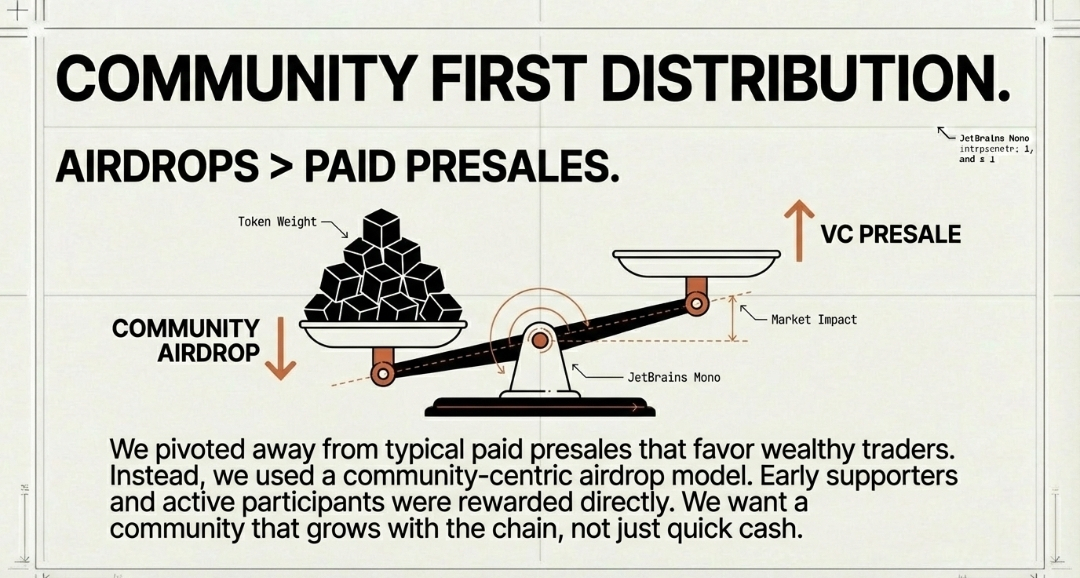
That tells me something important: they want a real community to grow with the chain, not just quick cash from a presale.
Exchanges and Liquidity
Since the mainnet launch, FOGO is now live on some major exchanges, and that’s crucial for real adoption.
You can find it tradable on platforms like Binance, OKX, Bybit, Bitget, and others.
Getting access through well known exchanges gives the token visibility, liquidity, and a real path for newcomers to enter without hunting obscure platforms.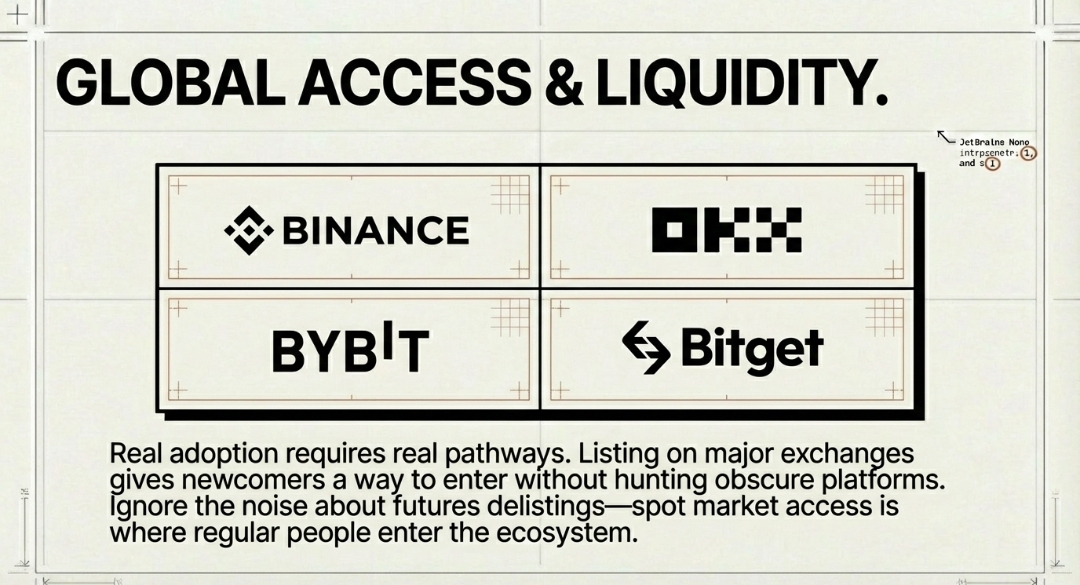
Of course, liquidity depth and trading volume will evolve over time. Some of the headlines have talked about futures for the token being delisted on one exchange. That’s short-term noise. What matters is ongoing spot market access, because that’s where regular people actually come in and out of the token not leveraged contract positions.
What Makes Fogo Core Different Than Other Chains
Let’s be honest. We’ve seen a ton of Layer 1 projects launch with grand visions and big promises.
What sets Fogo apart is this combination:
Speed that matters: Real sub-second block times.
Purpose-built for trading: On-chain order books and real DeFi instead of vague smart contract possibilities.
Real applications live at launch: Not just a roadmap slide, but things you can use today.
Community oriented distribution: Not a rich-only presale.
Global exchange access: Real trading corridors for real users.
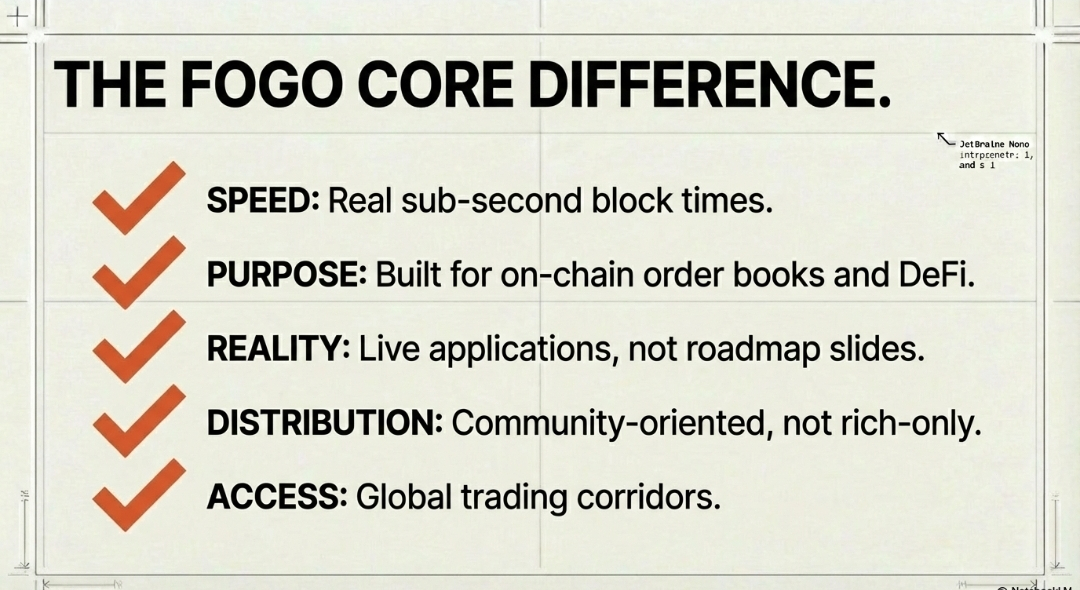
This isn’t just another “blockchain.” It is staking a claim in real-time finance on chain.
Where Things Are Headed
Here’s where I want you to focus, fam.
The next indicators of real success are not price pumps.
We are now going to be watching:
Daily active transactions: Are people really using the network?
Liquidity across apps: Are people actually trading and lending on Fogo?
Developer interest: Are teams building new tools and integrations?
Validator decentralization: Do more nodes join to secure the network?
Cross-chain activity: Does Fogo become a real hub in the Solana ecosystem?
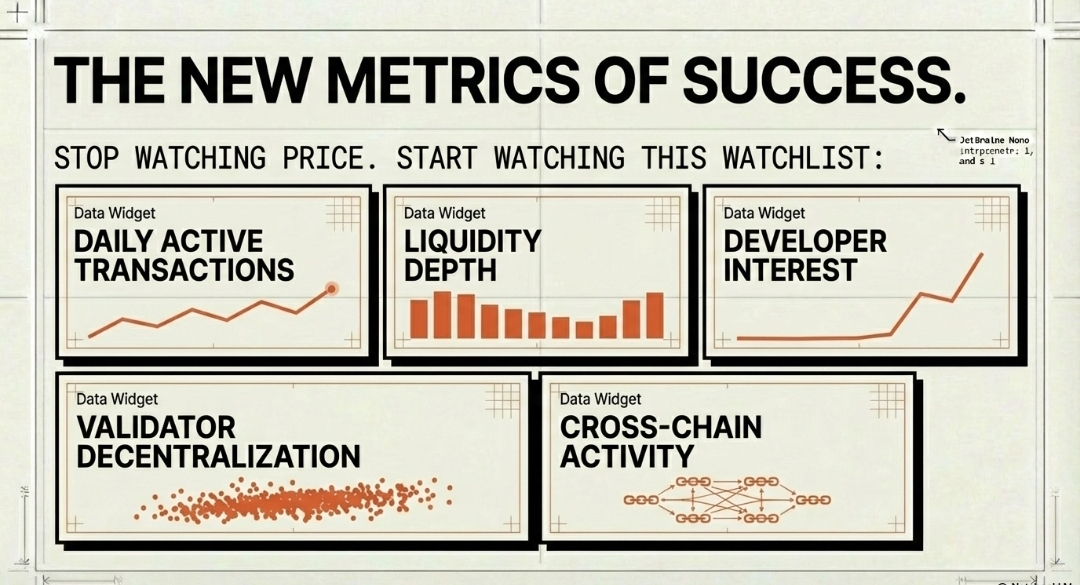
If these metrics grow organically, then value and price tend to show up over time without hype. That’s the kind of sustainable growth we care about.
Some Real Talk on Price
Yes, FOGO has seen ups and downs in early trading. Right now it’s trading in the cents range with high volatility, something any new asset experiences after a major launch.
Volatility is normal in post-launch phases, especially when distributions, unlocks, and initial investor behavior mix with real demand.
But here is the truth: price does not define value. Usage does.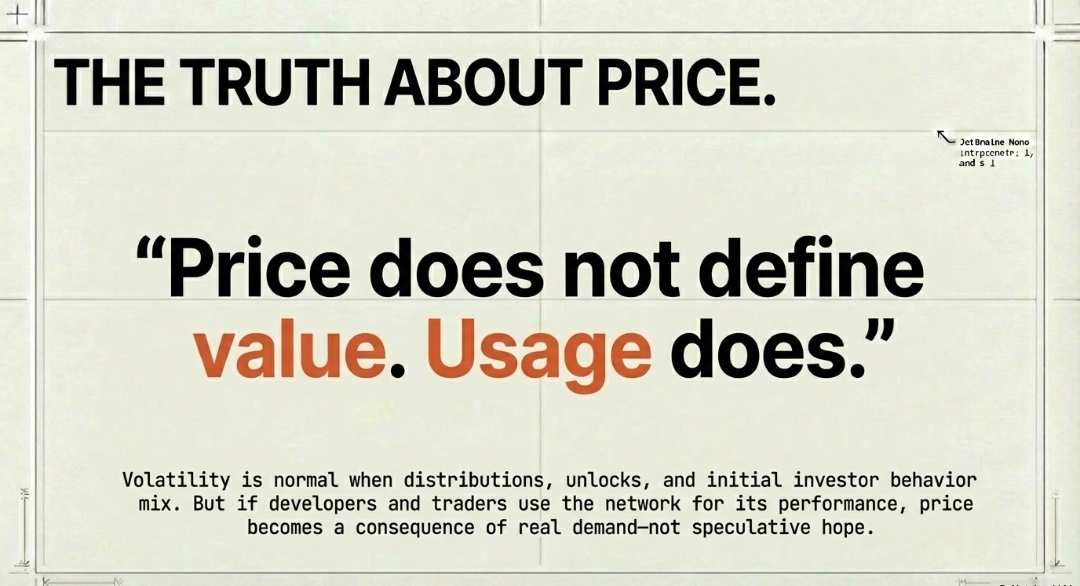
If developers, traders, and funds actually start using the network because of its performance, then price becomes a consequence of real demand, not speculative hope.
Final Word
Look, I know crypto is emotional. We get attached to charts and headlines, but the real winners in this space are the ones who pay attention to development, adoption, and real utility.
FOGO is a project with a clear thesis, live products, real technology, and an actual community distribution story. It’s not just vaporware on a slide deck anymore. You can log in, explore apps, trade, stake, and see activity right on network explorers.
That’s not the future. That’s the now.
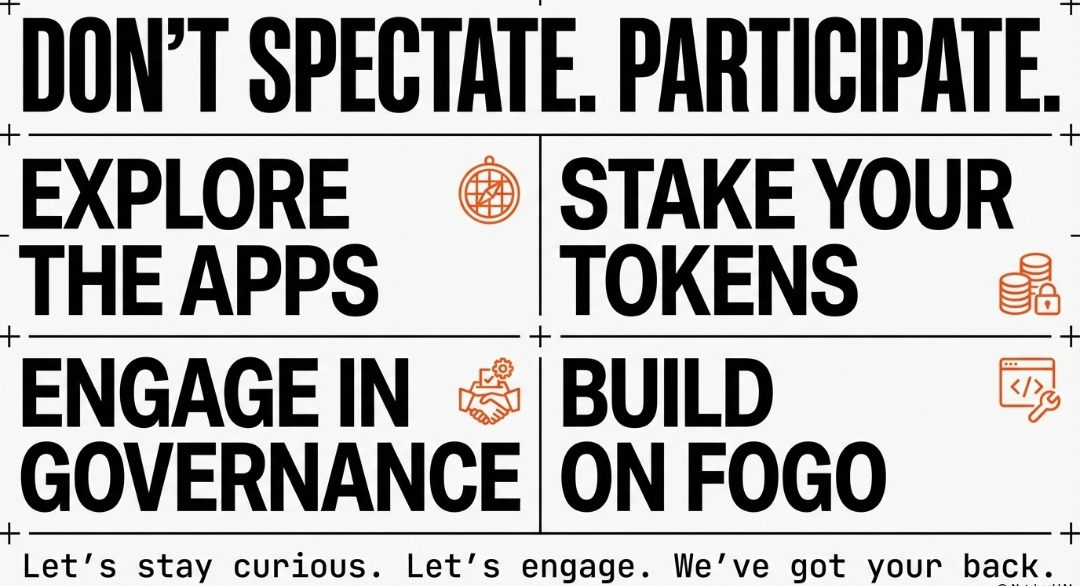
So let’s keep watching. Let’s stay curious. And let’s engage with this ecosystem not as spectators but as builders and participants.
If you want a breakdown of what’s next or what’s coming down the pipeline specifically for dApps and developer growth, just say so.
I’ve got your back.