

The Layer-1 landscape is evolving fast and a new narrative is forming around execution performance rather than just ecosystem size. While Ethereum continues to dominate liquidity and developer tooling, the real competition is happening among high-throughput chains and that’s where projects like Fogo are starting to attract attention.
@Fogo Official positions itself as a high-performance L1 built around the Solana Virtual Machine (SVM). Instead of creating a completely new execution environment, it leverages an already proven model known for parallel processing and fast transaction finality. This approach signals a broader shift in the industry builders are no longer satisfied with theoretical scalability they want real execution speed that can support complex applications at scale.
The big question, however, is whether #Fogo can realistically compete with Solana itself. Solana has years of optimization, deep liquidity and a large developer community. Competing at that level requires more than just fast infrastructure it demands stable validator economics, strong tooling, and a clear reason for developers to migrate or expand across ecosystems.
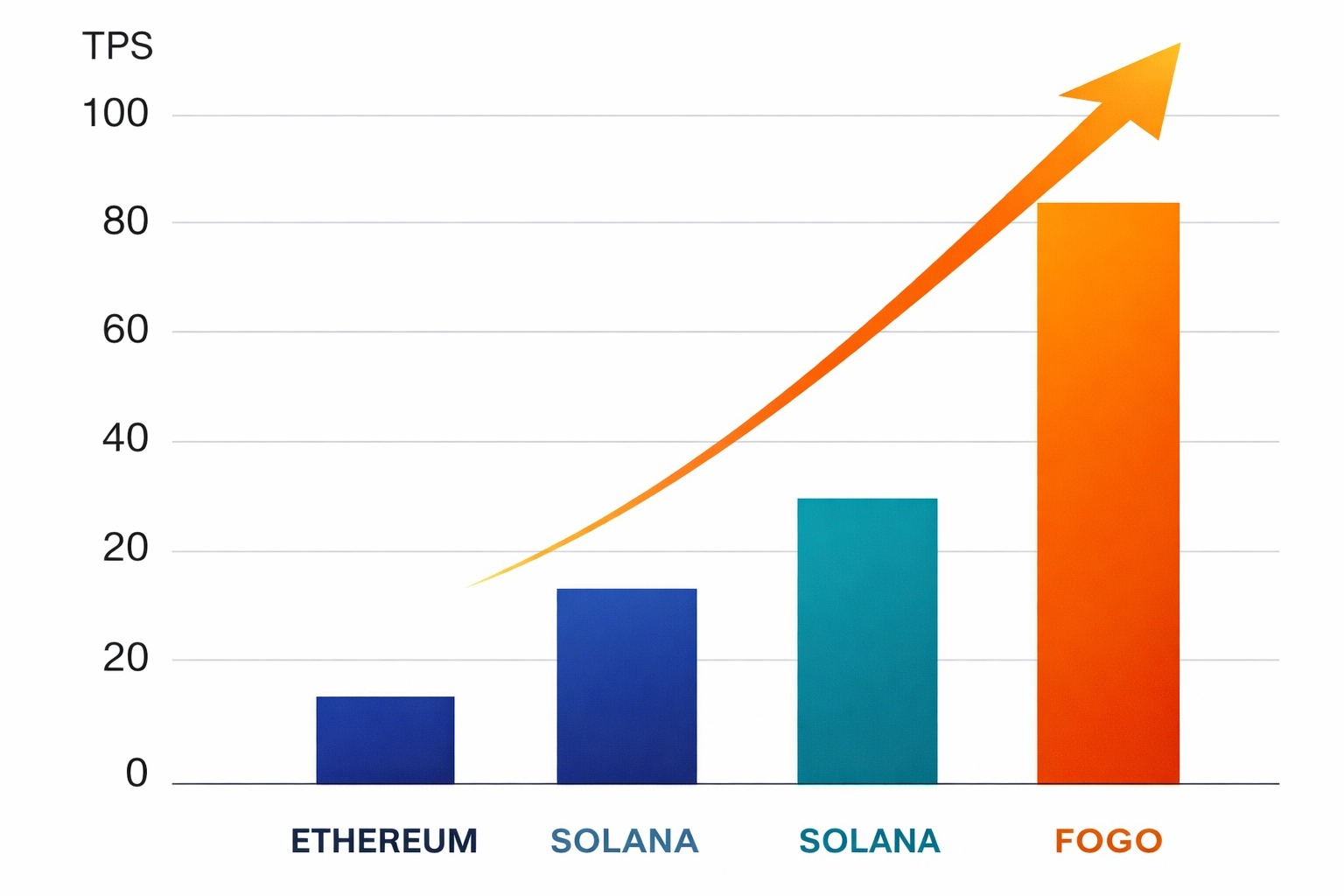
One potential advantage for Fogo lies in specialization. Rather than trying to replace existing ecosystems, it could position itself as an extension of the growing SVM landscape. Shared execution standards and familiar development frameworks lower the barrier to entry for builders already comfortable with Solana’s architecture. If $FOGO can offer improved efficiency, incentive alignment, or niche use-cases, it may carve out a role alongside established chains rather than directly competing with them.
From a market perspective, the rise of multiple SVM-based chains introduces an interesting dynamic. Instead of a single dominant execution layer, we could see a network of high-performance environments optimized for different workloads. This narrative aligns with the broader trend of modularity and specialized infrastructure, where performance becomes a competitive differentiator.
For traders and observers, the key factor to watch is adoption. Speed alone doesn’t guarantee success sustained developer activity, validator participation and ecosystem growth ultimately determine whether a new L1 becomes more than just a temporary narrative. If #fogo can demonstrate real usage while maintaining high throughput, it may strengthen the case that the next phase of blockchain competition will be defined by execution efficiency rather than just brand recognition.
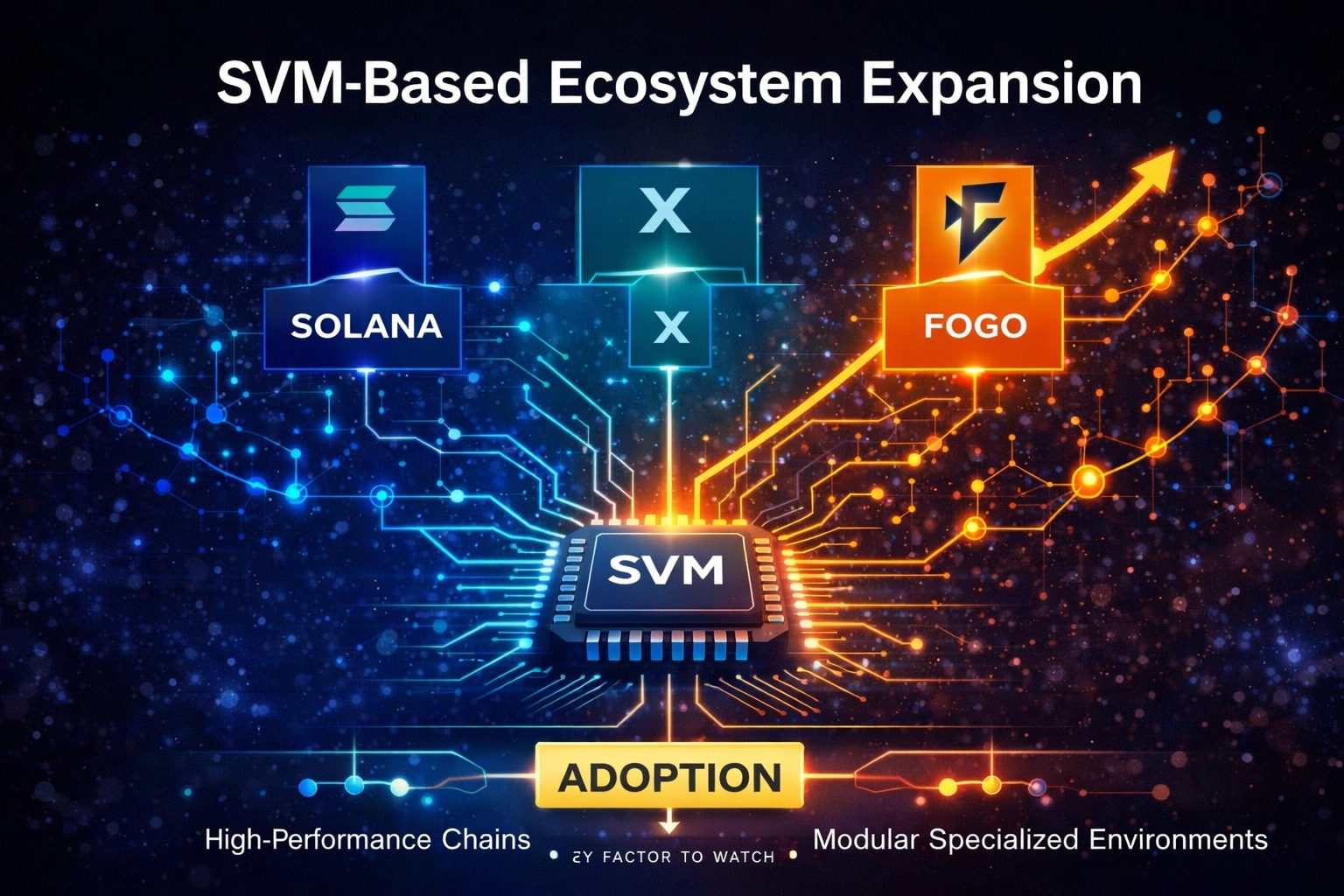
As the high-performance L1 race accelerates, the debate isn’t simply about which chain is fastest. It’s about which network can balance speed, reliability and ecosystem growth. Whether Fogo becomes a serious contender or remains an emerging experiment will depend on how effectively it translates technical potential into real-world traction.
