Introduction
FOGO Coin is an emerging cryptocurrency project designed to participate in the rapidly evolving digital asset ecosystem. As blockchain adoption continues to grow across decentralized finance (DeFi), Web3 applications, gaming, and digital ownership, new tokens like FOGO aim to build utility-driven ecosystems that provide value beyond simple trading speculation. Understanding the fundamentals of FOGO — including its purpose, token type, and project leadership — is essential before making any investment decision.
Coin Overview
FOGO Coin is a blockchain-based digital asset created to serve as the native token of its ecosystem. Like many modern crypto projects, FOGO is built with the goal of enabling decentralized participation, faster transactions, and transparent financial interaction without reliance on traditional intermediaries.
The primary use cases of FOGO typically revolve around:
Ecosystem utility and platform transactions
Community governance participation
Incentivizing users within the network
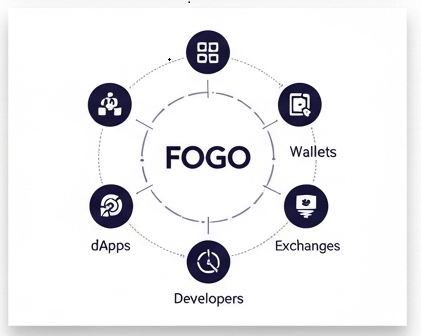
Supporting decentralized applications (dApps)
FOGO aims to create an environment where token holders can actively participate in the growth of the project. By integrating token utility with platform functionality, the project attempts to move beyond being just a speculative asset and instead become a functional component of a broader blockchain infrastructure.
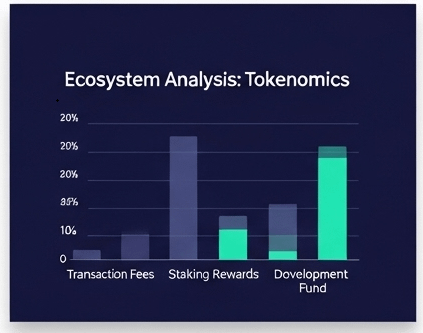
The tokenomics structure (which should be reviewed through official documentation) generally defines supply limits, distribution models, staking rewards, and ecosystem allocations. Investors are encouraged to analyze the total supply, circulating supply, and vesting schedules before making financial decisions.
Type of Coin
FOGO can be categorized based on its primary functionality. In most blockchain ecosystems, tokens fall into several major categories:
1. Utility Token
If FOGO is designed to power transactions, pay fees, unlock features, or enable staking within its ecosystem, then it qualifies as a utility token. Utility tokens are the backbone of many blockchain platforms because they create internal economic activity.
2. Governance Token
If token holders can vote on proposals, protocol upgrades, or ecosystem changes, FOGO may also function as a governance token. Governance tokens strengthen decentralization by giving power to the community instead of a centralized authority.
3. Meme Token (If Applicable)
Some projects begin as meme-based tokens driven by community engagement and viral marketing. If FOGO has community-driven branding and growth, it may also have meme token characteristics. However, strong long-term projects usually integrate utility to ensure sustainability.
4. Staking & Reward Token
If FOGO offers staking pools with APY rewards, it also functions as a reward token, incentivizing holders to lock their assets to secure the network or support ecosystem growth.
Understanding the exact classification requires reviewing the official whitepaper or documentation. However, many modern projects combine multiple token types — utility + governance + staking functionality — to create a stronger ecosystem.
Owner and Founding Team
The credibility of any cryptocurrency project largely depends on its founding team and development background. A transparent and experienced team often increases investor confidence, while anonymous teams may raise risk levels depending on project maturity and audit transparency.
To accurately determine the ownership and leadership structure of FOGO, investors should verify:
Official website “About” section
Whitepaper documentation
LinkedIn profiles of founders
Public AMAs or interviews
Registered company information (if applicable)
Two models in crypto projects:
1. Public Team Model
In this model, founders and core developers are publicly known, with professional backgrounds in blockchain, software engineering, finance, or technology startups. Public teams provide accountability and long-term credibility.
2. Anonymous/Decentralized Model
Some projects operate under pseudonymous leadership. While this is common in crypto (even Bitcoin’s founder remains anonymous), investors must carefully evaluate smart contract audits, community transparency, and long-term roadmap execution.
Before investing, it is strongly recommended to confirm:
Whether the project has undergone third-party smart contract audits
If the team is doxxed (publicly identified)
Whether the project has venture capital backing
Community engagement levels
A strong project typically maintains active communication through social media platforms, development updates, and transparent reporting.
Project Vision and Long-Term Goals
FOGO’s long-term sustainability will depend on its roadmap and real-world adoption strategy. Successful blockchain projects generally focus on:
Expanding ecosystem partnerships
Increasing token utility
Enhancing scalability and security
Growing active user base
Maintaining liquidity and exchange listings
If FOGO integrates staking rewards, decentralized applications, NFT utilities, or DeFi services, its growth potential may depend on adoption metrics rather than hype alone.
A healthy crypto project should clearly outline:
Development phases
Marketing strategy
Ecosystem expansion plans
Community growth initiatives
Token burn or supply control mechanisms (if applicable)
Investors should also examine whether the project relies heavily on speculation or whether it demonstrates consistent development progress.
Risk Considerations
Cryptocurrency investments involve significant volatility and risk. Before investing in FOGO or any digital asset, consider:
Market fluctuations
Liquidity risk
Regulatory changes
Smart contract vulnerabilities
Team transparency
Diversification and proper risk management are essential strategies in crypto markets.
Conclusion
FOGO Coin represents a blockchain-based digital asset that aims to build value through ecosystem participation, staking opportunities, and decentralized utility. Whether categorized as a utility, governance, or reward token, its long-term success will depend on transparent leadership, clear roadmap execution, and real adoption.