Markets reward attention in the short term, but they reward structure in the long term. In the current cycle, many projects compete for visibility — fewer compete on execution design. That’s where FOGO starts to stand apart.
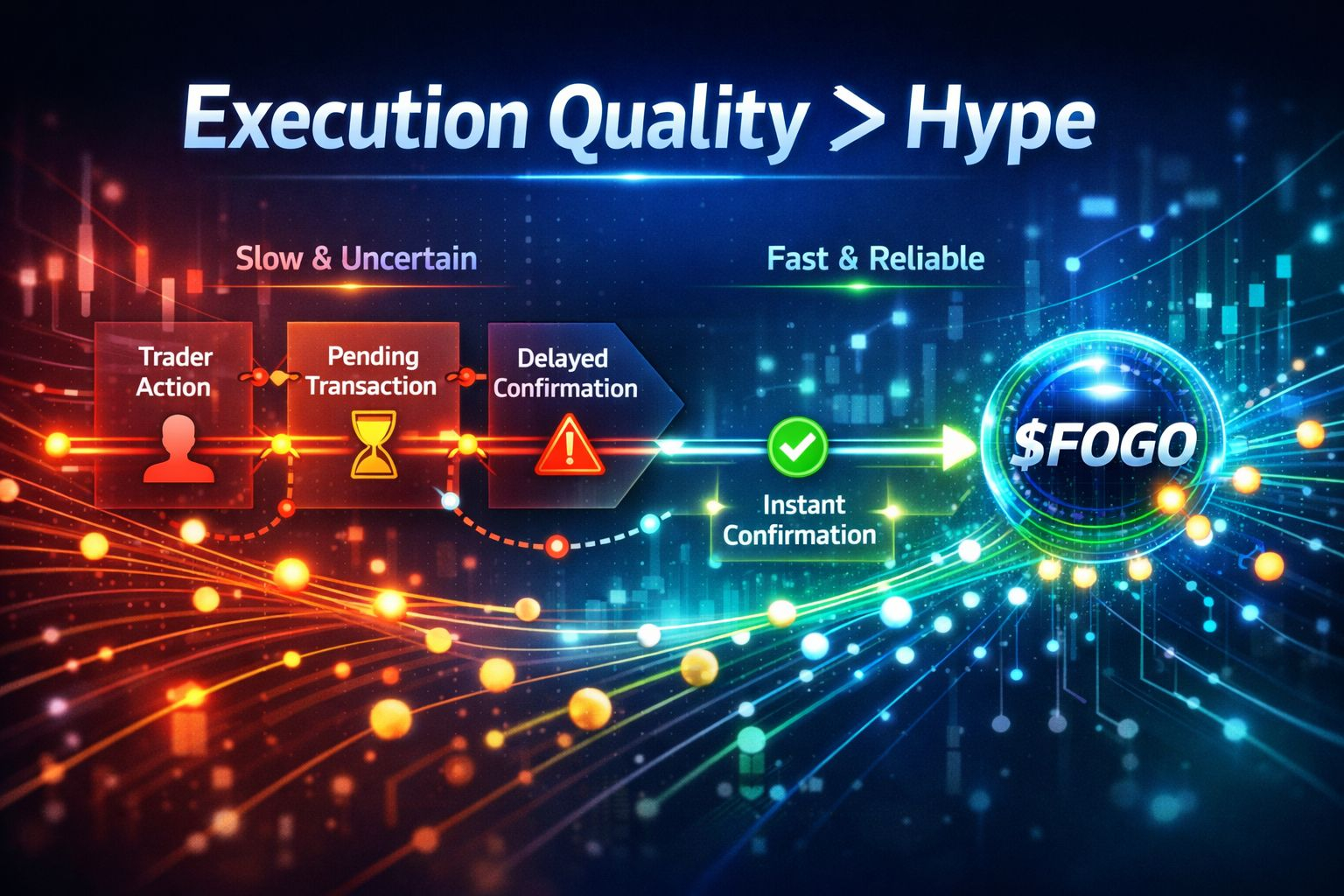
Speed in isolation is a marketing metric. Execution quality is a trading metric. The difference matters. When traders interact with a network, they are not just measuring block times — they are measuring how often their intent turns into a confirmed state without friction. If FOGO consistently shortens that path, it reduces uncertainty between decision and outcome.
On-chain trading has historically carried subtle stress: waiting for confirmations, re-signing approvals, adjusting for slippage while transactions sit pending. These micro-frictions add up. If FOGO can compress those delays and streamline interaction flow, it doesn’t just improve performance — it improves user psychology.
And psychology drives capital flow.
From a market structure perspective, tokens tied to infrastructure often move in stages. First comes narrative curiosity. Then comes performance validation. Only after that does sustained valuation expansion happen. FOGO appears to be transitioning between curiosity and validation — a phase where real usage metrics matter more than promotional momentum.
The upside scenario depends on retention. If traders begin to treat Fogo as a reliable execution layer rather than an experiment, liquidity could gradually anchor itself there. The downside risk is equally simple: strong specifications without sticky demand rarely justify long-term premium valuations.
The key variable isn’t marketing reach.
It’s repeat behavior.
If FOGO converts first-time users into consistent participants, the structural edge becomes measurable — and markets tend to price measurable advantages.