
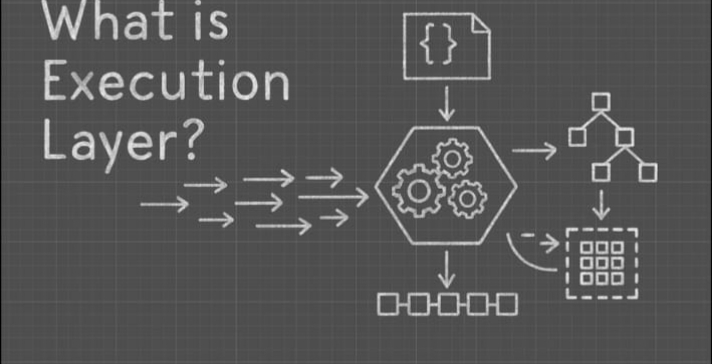
Most blockchain users focus on speed metrics like TPS or block time, but these numbers only tell part of the story. The deeper and more important question is whether a blockchain can execute transactions in a predictable, reliable, and deterministic way. Deterministic execution means that every validator in the network produces the exact same result from the same transaction, without delays, inconsistencies, or uncertainty. This property is not just a technical detail—it is the foundation that makes blockchain trustworthy as infrastructure.
Execution determinism becomes critical when blockchains support real economic activity. Financial systems, AI agents, automated trading platforms, and digital economies require precise execution outcomes. Even small execution inconsistencies can create instability, inefficiency, or risk. This is where most traditional blockchains face limitations. Their execution environments were not designed to support the level of predictability required for autonomous and real-time economic systems.
Fogo approaches this challenge by optimizing execution determinism at the architectural level. Instead of simply focusing on increasing raw execution speed, Fogo focuses on ensuring that execution outcomes are consistent, synchronized, and predictable across all validators. This creates a more reliable execution environment capable of supporting infrastructure-level applications rather than just experimental or low-frequency usage.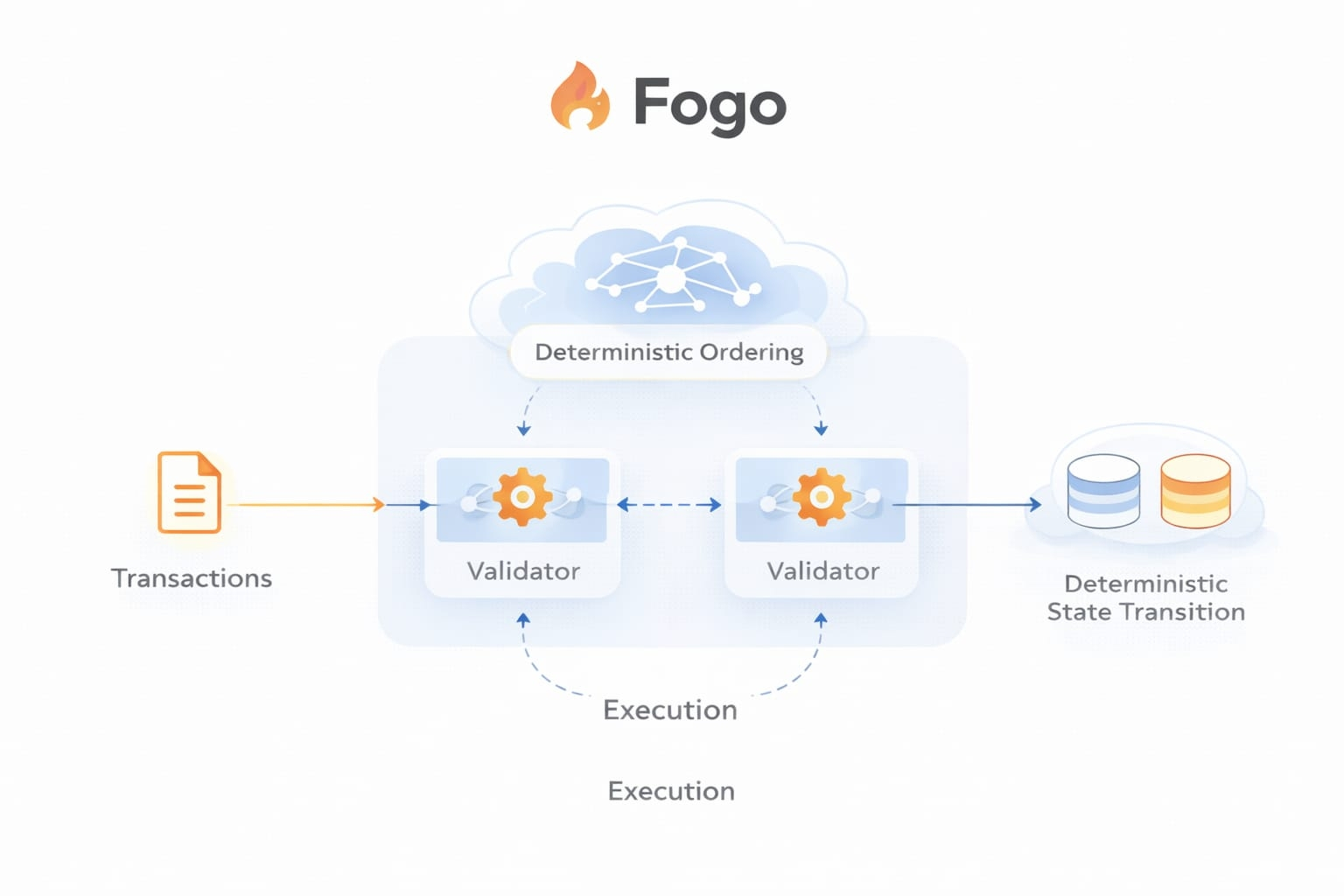
Execution determinism starts with transaction ordering. In distributed systems, validators must agree not only on which transactions are valid, but also on the exact order in which they are executed. If transaction ordering is inconsistent or inefficient, execution outcomes can become unpredictable. Fogo improves deterministic ordering by optimizing how transactions propagate and synchronize across validators, ensuring consistent execution sequences.
This deterministic ordering improves overall execution reliability. Validators process transactions in a coordinated and predictable sequence, reducing execution variability and improving network stability. This creates an execution environment that behaves more like traditional infrastructure systems while preserving decentralization.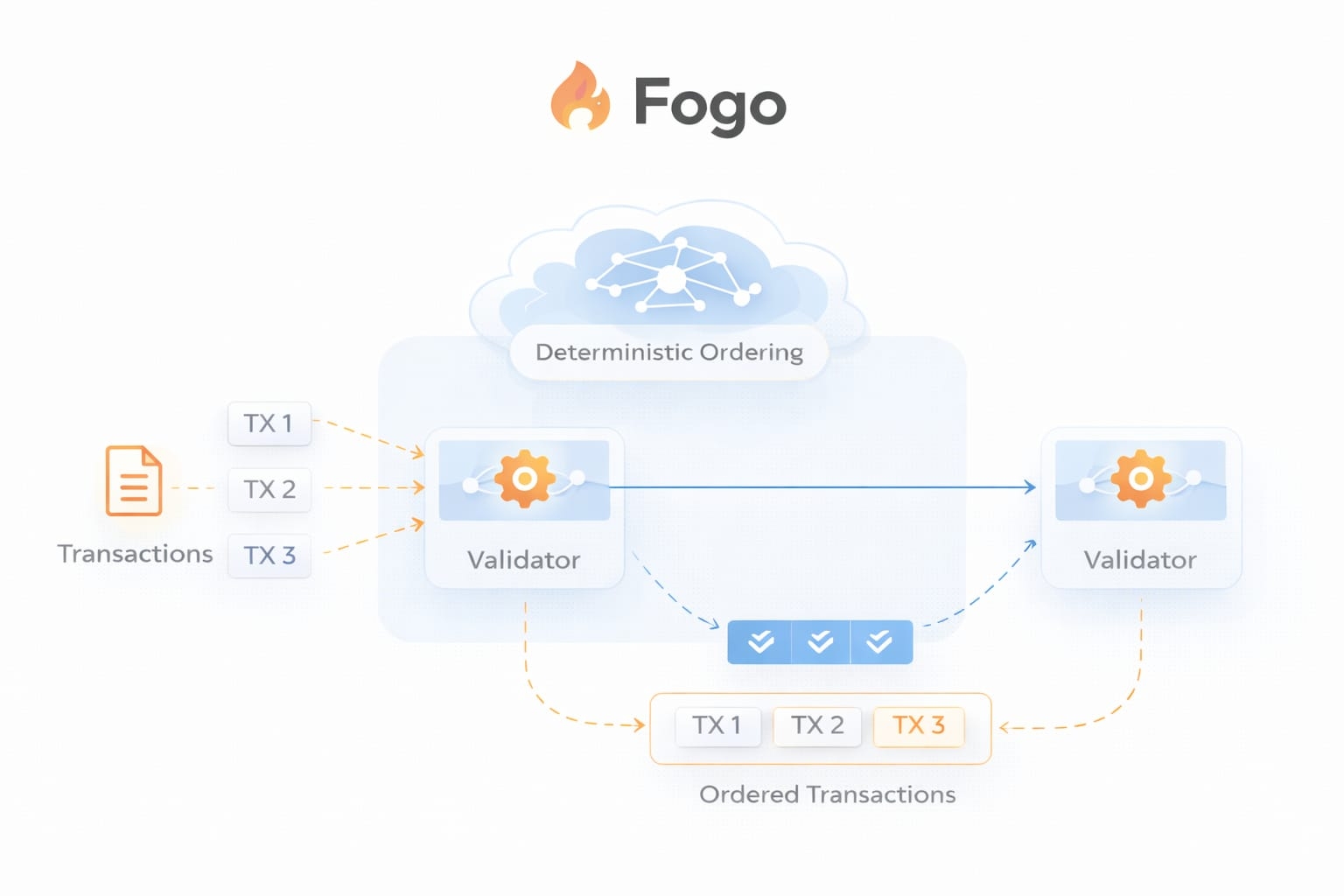
Another important factor in execution determinism is state synchronization. Blockchain networks maintain a shared state that reflects all transactions and execution outcomes. If state synchronization is slow or inconsistent, validators may temporarily operate on different states, creating inefficiencies or delays. Fogo improves state synchronization efficiency, ensuring that validators maintain consistent and synchronized execution environments.
Improved state synchronization reduces execution latency and improves network consistency. Validators can execute transactions without waiting for delayed synchronization, which improves throughput and performance predictability. This creates infrastructure capable of supporting continuous, real-time execution workloads.
Execution determinism also directly affects scalability efficiency. Many blockchain networks experience increased execution variability as usage grows. Coordination delays, synchronization overhead, and execution inconsistencies increase with scale. Fogo’s architecture is designed to maintain deterministic execution regardless of network load, ensuring consistent performance even as network activity increases.
This scalability stability makes Fogo suitable for infrastructure-level applications such as financial settlement systems, AI-driven autonomous agents, and digital economic platforms. These applications require reliable execution environments capable of supporting continuous, uninterrupted operation.
AI agents represent one of the most demanding use cases for deterministic execution. Autonomous agents require predictable execution timing and outcomes to operate effectively. Inconsistent execution environments can disrupt agent behavior and reduce system reliability. Fogo’s deterministic execution environment supports reliable autonomous agent operation, enabling blockchain infrastructure for AI-native economies.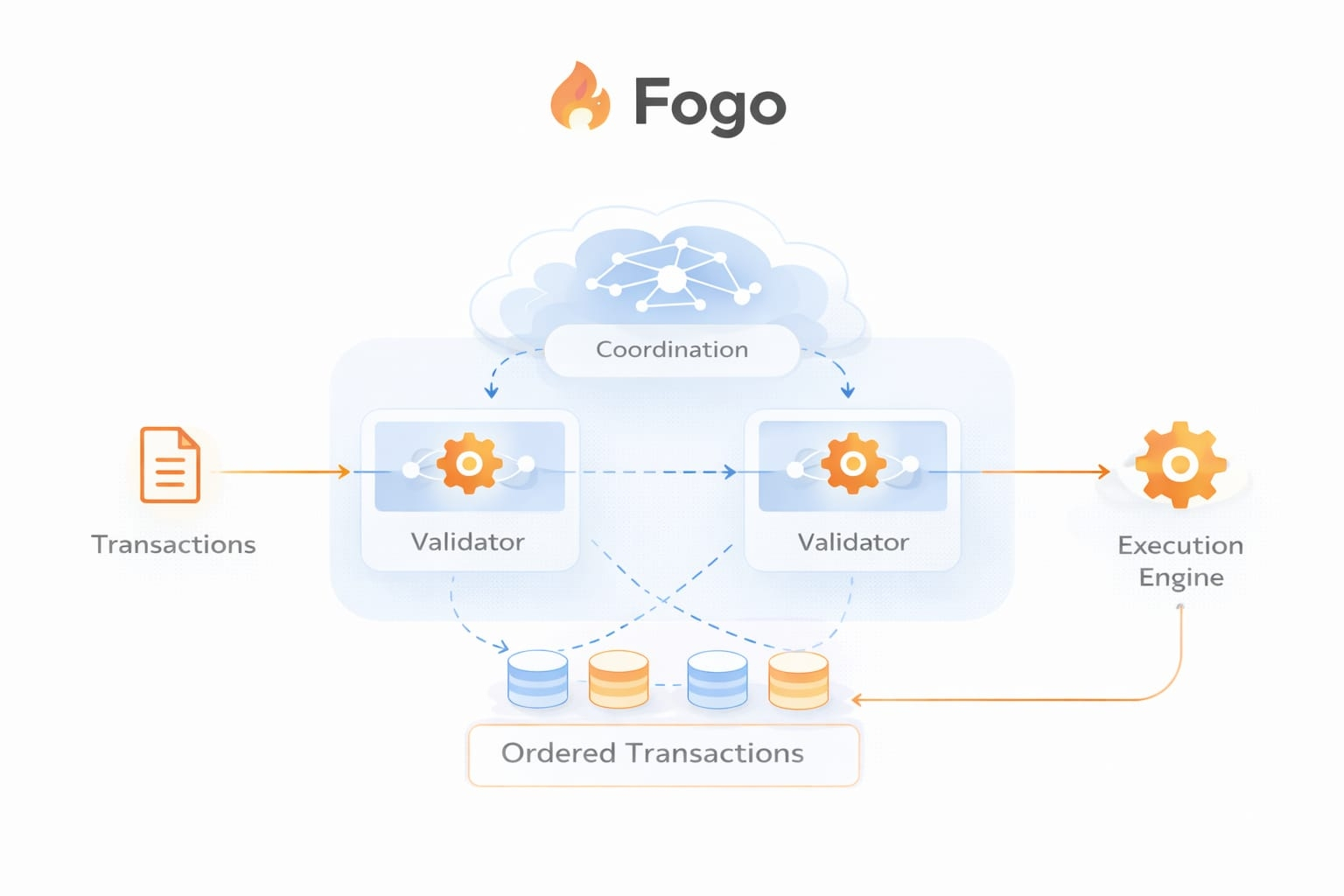
Financial infrastructure also benefits significantly from deterministic execution. Trading systems, settlement protocols, and automated financial systems require precise execution timing and predictable outcomes. Execution variability introduces risk and inefficiency. Fogo’s deterministic architecture reduces execution uncertainty, making it suitable for infrastructure-level financial deployment.
Another advantage of deterministic execution is improved developer reliability. Developers building applications on Fogo can rely on consistent execution outcomes, simplifying application design and improving reliability. This reduces complexity and improves developer confidence in the underlying infrastructure.
Deterministic execution also improves user experience. Users experience faster confirmations, reduced delays, and more predictable application performance. This creates infrastructure capable of supporting mainstream adoption rather than experimental usage.
Fogo achieves deterministic execution through architectural coordination between transaction propagation, validator synchronization, execution engines, and state settlement. Each layer of the system is optimized to maintain execution consistency and reduce variability.
This coordination creates a unified execution pipeline that supports predictable and efficient operation. The network behaves as a coordinated execution system rather than a loosely synchronized distributed network.
Fogo is not simply optimizing blockchain performance metrics. It is improving the reliability and predictability of execution infrastructure. This positions Fogo as a foundational layer capable of supporting the next generation of blockchain applications.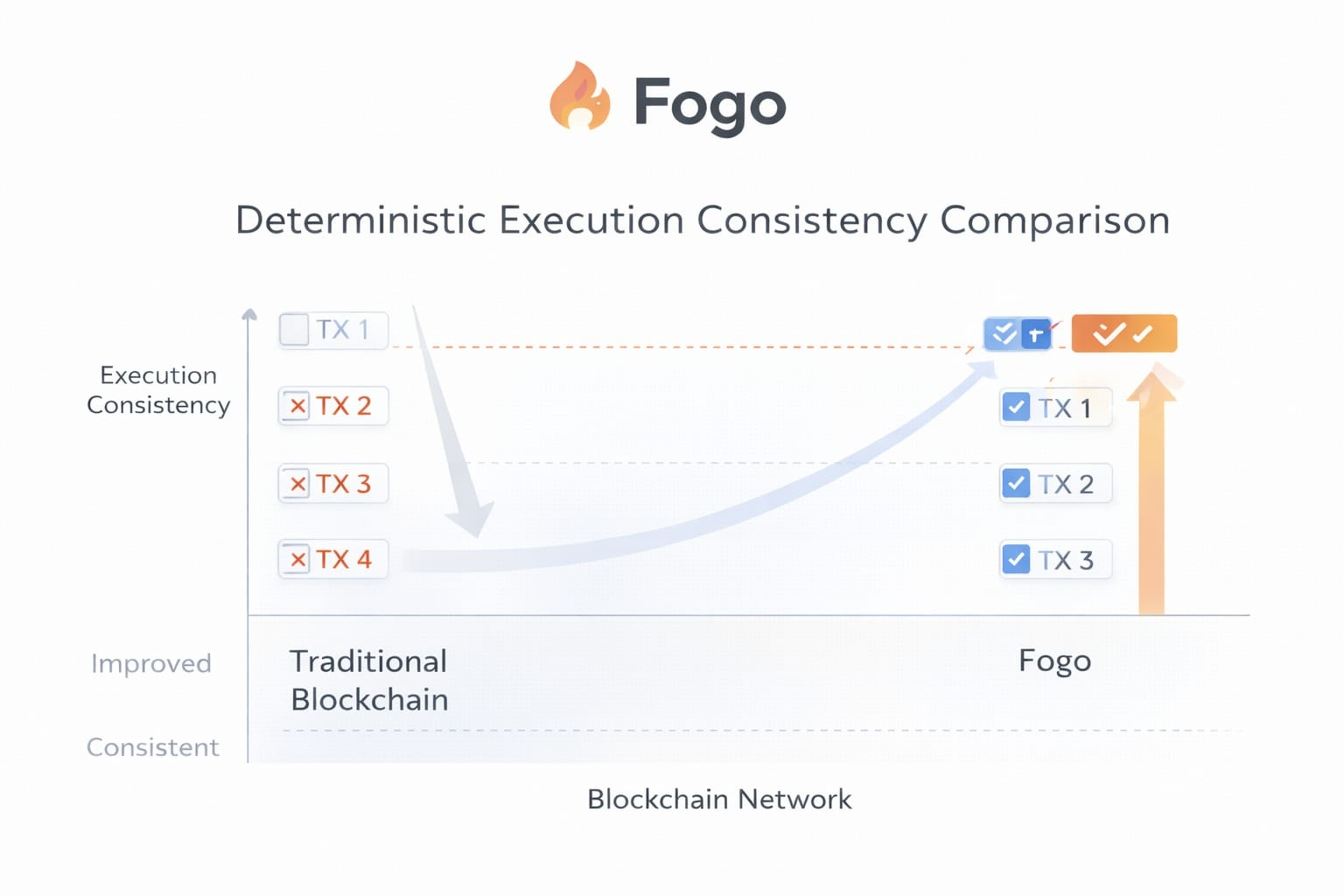
As blockchain adoption expands into financial infrastructure, AI economies, and digital ownership systems, deterministic execution will become essential. Networks that cannot provide reliable execution environments will struggle to support advanced applications.
Fogo is building infrastructure designed for deterministic execution from the ground up.
This positions Fogo as a key infrastructure layer in the future digital economy.