
Rețeaua Mira este dedicată avansării infrastructurii AI prin eliminarea halucinațiilor și a prejudecăților, asigurându-se că sistemele AI produc o acuratețe mai mare și rate de eroare mai mici. Folosind mecanisme de verificare descentralizate, Mira le oferă dezvoltatorilor instrumente pentru a construi aplicații mai fiabile bazate pe AI.
Inițiativa Magnum Opus este concepută pentru a accelera proiectele revoluționare la intersecția dintre AI generativ, sisteme autonome și tehnologie descentralizată. Cu 10 milioane de dolari în granturi retroactive, programul își propune să împuternicească fondatorii care conturează viitorul dezvoltării AI. Echipele care lucrează la agenți AI, modele de învățare automată și alte soluții alimentate de AI vor beneficia în mod special de accesul la infrastructura și suportul Mira.
Aplicațiile se deschid pe 3 februarie 2025, cu prima cohortă programată să înceapă în martie. Mira va integra 15–20 de echipe printr-un proces de selecție continuu, asigurând suport personalizat pentru proiecte cu un potențial ridicat. Participanții timpurii includ deja pionieri AI și tehnologici de la Google, Epic Games, OctoML, MPL, Amazon și Meta, evidențiind nivelul de talent pe care se așteaptă în proiect.
Comentând lansarea programului, Karan Sirdesai, CEO și co-fondator al rețelei Mira, a spus:
„Credem că viitorul dezvoltării IA se află la intersecția inovației, autonomiei și descentralizării. Pe lângă oferirea a 10 milioane de dolari în granturi retroactive, Magnum Opus permite următoarei generații de fondatori să împingă limitele a ceea ce este posibil.
„Acest program de granturi este despre cultivarea talentului, încurajarea muncii în echipă și crearea unei rețele de lideri vizionari care vor modela viitorul IA.”
Spre deosebire de programele tradiționale de accelerator, Magnum Opus oferă o experiență extrem de personalizată, adaptată cerințelor specifice ale fiecărei echipe. Participanții vor avea acces la finanțare retroactivă semnificativă și introduceri directe la investitori. De asemenea, vor beneficia de ore de birou cu inginerii și liderii din sectorul IA, precum și de suport tehnic și de dezvoltare a produsului.
Prin amplificarea PR, introducerile KOL și metodele de creștere personalizate pentru obiectivele proiectului, inițiativa oferă asistență pentru distribuție și intrarea pe piață. Chiar și după ce constructorii au atins reperele și grantul a fost distribuit, rețeaua Mira va continua să sprijine participanții prin mentorat pe termen lung, integrarea ecosistemului și asistență pentru expansiunea regională.
Programul de grant Magnum Opus nu este doar despre finanțare — ci este despre cultivarea unei comunități de constructori vizionari care vor modela următoarea eră a IA.
Despre rețeaua Mira
Mira construiește stratul de verificare fundamental care permite sisteme IA fără încredere prin mecanisme avansate de consens. Rețeaua combină transformarea sofisticată a cererilor și protocoalele de verificare distribuită pentru a obține o execuție IA de încredere la scară. Cu peste 400.000 de utilizatori activi și multiple desfășurări în producție, Mira a apărut ca un pionier în tehnologia de verificare IA. Prin rezolvarea provocărilor fundamentale legate de ratele de eroare și verificarea raționamentului complex, Mira stabilește noi standarde pentru fiabilitatea IA — pavând calea pentru sisteme IA cu adevărat autonome care pot funcționa fără supravegherea umană.
Cum funcționează rețeaua Mira
Rețeaua folosește un proces de verificare în mai multe etape pentru a transforma rezultatele probabilistice ale IA în cereri verificabile, deterministe:
Binarizarea (Decompoziția Cererilor): Răspunsurile complexe ale IA sunt descompuse în cereri discrete, atomice. De exemplu, propoziția "Tokyo este capitala Japoniei și Muntele Fuji este cel mai înalt vârf al său" ar fi împărțită în două declarații separate, verificabile.
Verificare Distribuită: Aceste cereri individuale sunt distribuite pe o rețea descentralizată de noduri de verificare independente. Pentru a proteja confidențialitatea, niciun nod singular nu vede întreaga ieșire; ele procesează doar „shard-uri” specifice.
Mecanism de Consens: Mai multe modele IA evaluează cererile. Rețeaua folosește un model hibrid de Dovadă de Muncă (PoW) și Dovadă de Participare (PoS).
Componenta PoW: Operatori de noduri efectuează „muncă” reală prin inferență IA (efectuând calcule pentru a verifica o cerere).
Componenta PoS: Operatorii trebuie să stakeze tokenuri MIRA pentru a participa. Dacă oferă rezultate incorecte sau neoneste, stake-ul lor poate fi „tăiat” (sancționat).
Certificatul criptografic: Odată ce consensul este atins, rețeaua emite un certificat criptografic care atestă „adevărul” conținutului.
Tokenul MIRA
Tokenul nativ MIRA (construit pe blockchain-ul Base) servește drept motor economic pentru ecosistem:
Acces API: Dezvoltatorii plătesc în MIRA pentru a accesa API-ul "Generare Verificată" pentru rezultate IA de înaltă precizie.
Recompense Staking: Operatori de noduri câștigă MIRA pentru a efectua muncă de verificare onestă.
Guvernanță: Deținătorii de tokenuri pot vota asupra actualizărilor protocolului și ratelor de emisie.
Aplicații Cheie
Rețeaua este utilizată în domenii cu mize mari unde precizia este critică:
Klok: O aplicație de chat multi-model care folosește Mira pentru rezultate imparțiale.
Learnrite: O platformă EdTech care a folosit, conform informațiilor, Mira pentru a crește precizia IA de la 75% la 96%.
Sănătate și Juridic: Oferind verificare audibilă pentru diagnostice medicale și analiza documentelor legale.
Mecanica de lucru
Pentru a înțelege cum funcționează fiecare aspect al infrastructurii rețelei Mira, să folosim un exemplu care cosplayează procesul.
De exemplu, dacă conținutul candidatelor ale unui utilizator este: “ Arsenal este un club din Londra care a câștigat trei (3) titluri UEFA Champions League.” Procesul de transformare începe prin descompunerea conținutului în cereri. Acest pas este cunoscut sub numele de Binarizare.
Arsenal este un club din Londra
Arsenal a câștigat trei (3) titluri UEFA Champions League
Următorul, rețeaua distribuie aceste cereri către modelele de verificare a nodurilor din rețea pentru a verifica fiecare cerere. Acest pas se numește verificare distribuită, iar ca măsură de securitate și confidențialitate, nicio unitate de verificare nu este capabilă să vadă conținutul complet.
În cele din urmă, după ce cererile au fost verificate de modelele specializate, un mecanism de consens hibrid care combină atât dovada de participare (PoS), cât și dovada de muncă (PoW) cunoscut sub numele de dovada de verificare începe.
În această fază, este în joc un mecanism criptoeconomic: Verificatorii sunt stimulați să efectueze inferențe, mai degrabă decât doar atestări asupra cererilor.
În cele din urmă, rezultatul verificării este trimis ca consens sub formă de certificat criptografic, însoțind rezultatul către proprietar.
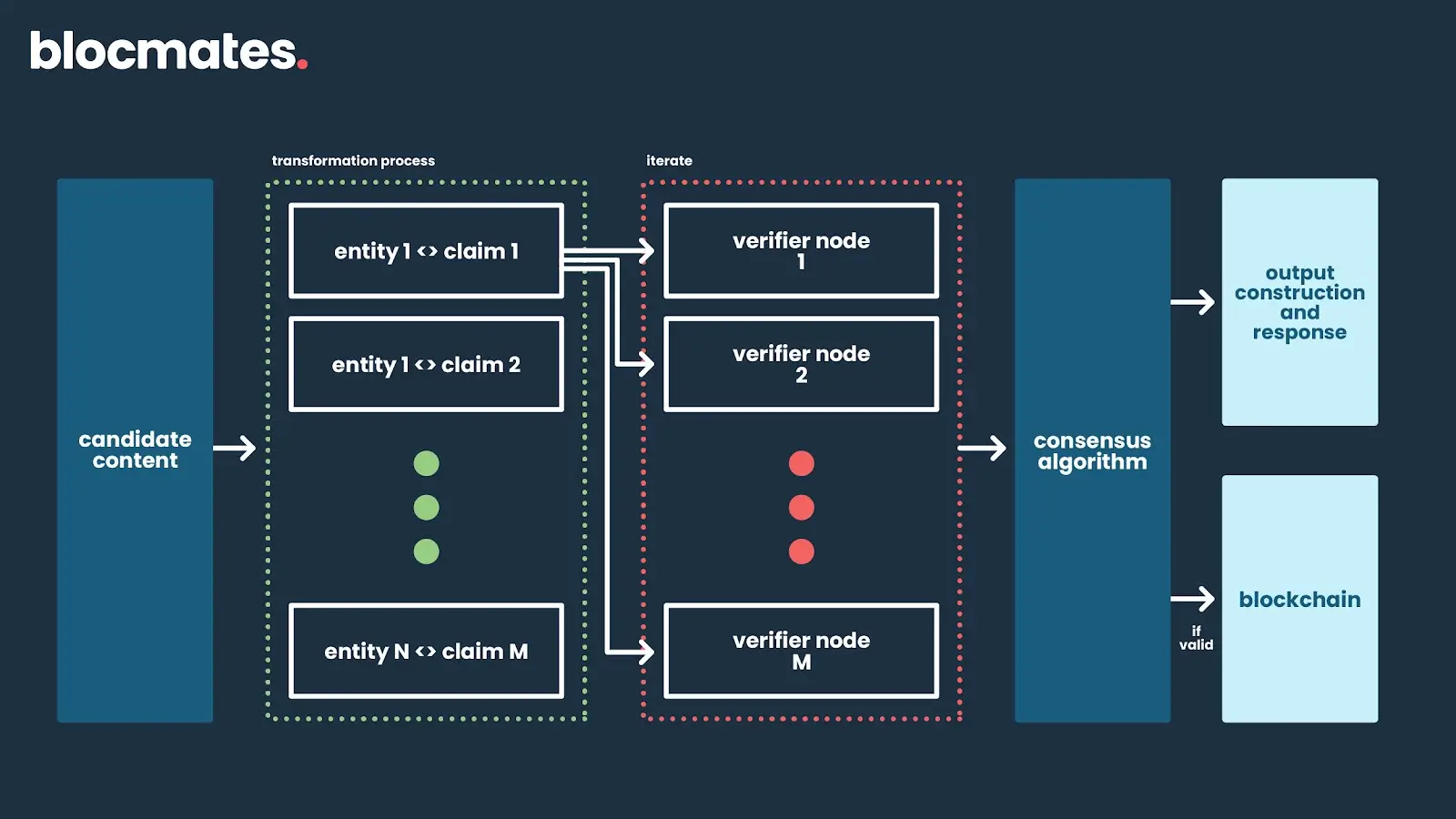
Așa cum am menționat anterior, Mira ia de asemenea în serios confidențialitatea, asigurând că conținutul sau intrările rămân private prin descompunerea acestora în perechi entitate-cerere și împărtășind cererile descompuse aleatoriu între participanții la rețea (noduri).
Acest proces de sharding permite transformarea și verificarea discrete a conținutului candidatelor, prin care răspunsurile după verificare rămân private până la consens.
Aplicarea de către Mira a tehnicilor de calcul securizat pentru a asigura confidențialitatea reflectă, de asemenea, post-consens. Certificatul emis există în formă criptografică, purtând doar detaliile unice de verificare executate per nod.
@Mira - Trust Layer of AI $MIRA #Mira #MiraNetwork #MIRAUSDTAnalysis
