

As blockchain, artificial intelligence, and robotics rapidly converge, ROBO the native asset of the Fabric Protocol is emerging as a key component in the next generation of autonomous machine economies. Rather than functioning as a typical speculative token, ROBO is designed to power a decentralized ecosystem where robots and AI systems can securely collaborate, transact, and coordinate tasks across platforms.
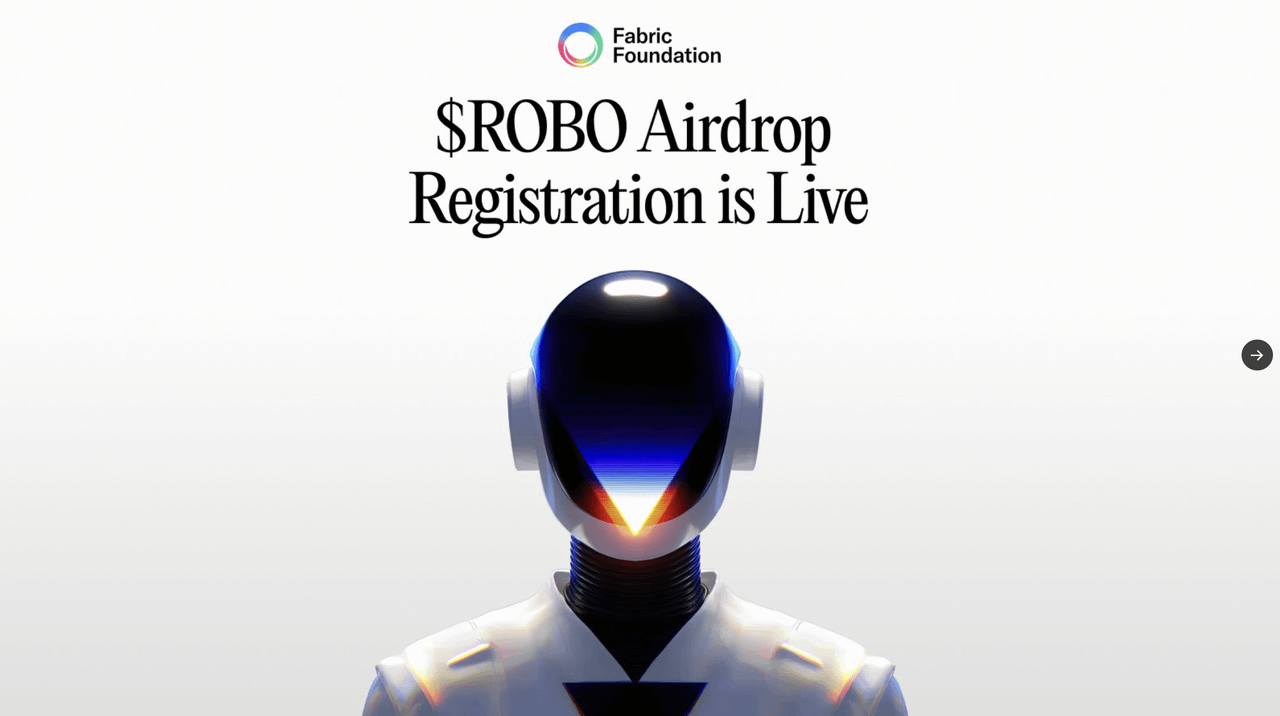
1. Role and Positioning of ROBO
The primary value of ROBO lies in enabling an open robotic network that removes long-standing barriers between machines built by different manufacturers or operating under separate AI frameworks. Traditionally, robots exist in isolated environments with limited interoperability, fragmented data, and no unified economic settlement layer. Fabric Protocol addresses this fragmentation, with ROBO acting as the core transactional and governance asset within the network.
Within this ecosystem, ROBO serves several foundational functions:
Decentralized identity: Robots and AI agents can establish unique on-chain identities, ensuring authenticity and preventing malicious or unauthorized machines from participating.
Task settlement medium: When robots perform real-world activities such as data collection, physical services, or computational work, rewards and payments are settled in ROBO on-chain.
Economic coordination layer: The token enables a Robot-as-a-Service marketplace where developers deploy algorithms, users submit tasks, and robots execute them, with ROBO circulating as the common value unit.
Governance and incentives: Token holders contribute to protocol upgrades, policy decisions, and incentive distribution, while also rewarding ecosystem contributors and developers.
In essence, ROBO functions simultaneously as the identity anchor, payment mechanism, and incentive engine for autonomous machine collaboration.
2. Technology Stack and Ecosystem Foundation
The ROBO economy is built on the OpenMind / Fabric Protocol framework, which aims to establish a trustworthy and interoperable robotic collaboration infrastructure. Industry analyses highlight three core components:
Fabric Protocol: Provides decentralized identity, task coordination, and on-chain settlement infrastructure, enabling robots from different vendors and environments to interact seamlessly.
OM1 Operating System: Enhances robotic cognition and operational intelligence, allowing machines to interpret tasks and execute them efficiently within the network.
ROBO Token: Serves as the economic layer that records value, distributes incentives, and enables payments across the ecosystem.
As robots and AI systems increasingly participate in real-world economic activities, ROBO is positioned to act as the bridge between physical automation and blockchain-based coordination.
3. Institutional Support and Market Validation
ROBO has attracted backing from several established investment institutions in the crypto and fintech sectors, including Pantera Capital, Coinbase Ventures, Digital Currency Group, Amber Group, and Ribbit Capital. Beyond capital injection, these partners contribute strategic guidance, industry connections, and ecosystem development support, reinforcing the project’s credibility and long-term growth trajectory.
4. Long-Term Outlook
The future trajectory of ROBO is closely tied to the expansion of autonomous robotics and AI-driven automation:
Global robotic collaboration economy: ROBO can enable interoperability and value exchange across robots from different manufacturers and service domains.
Integration of AI agents with on-chain economics: As autonomous agents mature, ROBO may become a standardized settlement and incentive layer for machine-executed tasks.
Infrastructure-level value accrual: As a foundational token, ROBO’s value is expected to scale with ecosystem adoption rather than short-term speculation.
Decentralized governance evolution: Community participation through ROBO holdings allows the network to adapt and self-evolve over time.
5. Conclusion
ROBO represents more than a digital asset; it is a foundational economic layer for a future where robots, AI, and blockchain converge into a unified autonomous economy. By enabling machines to possess verifiable identities, measurable contributions, programmable incentives, and governance participation, ROBO establishes the groundwork for decentralized robotic collaboration. As the ecosystem matures, it has the potential to become a central token infrastructure for the emerging era of intelligent automation.