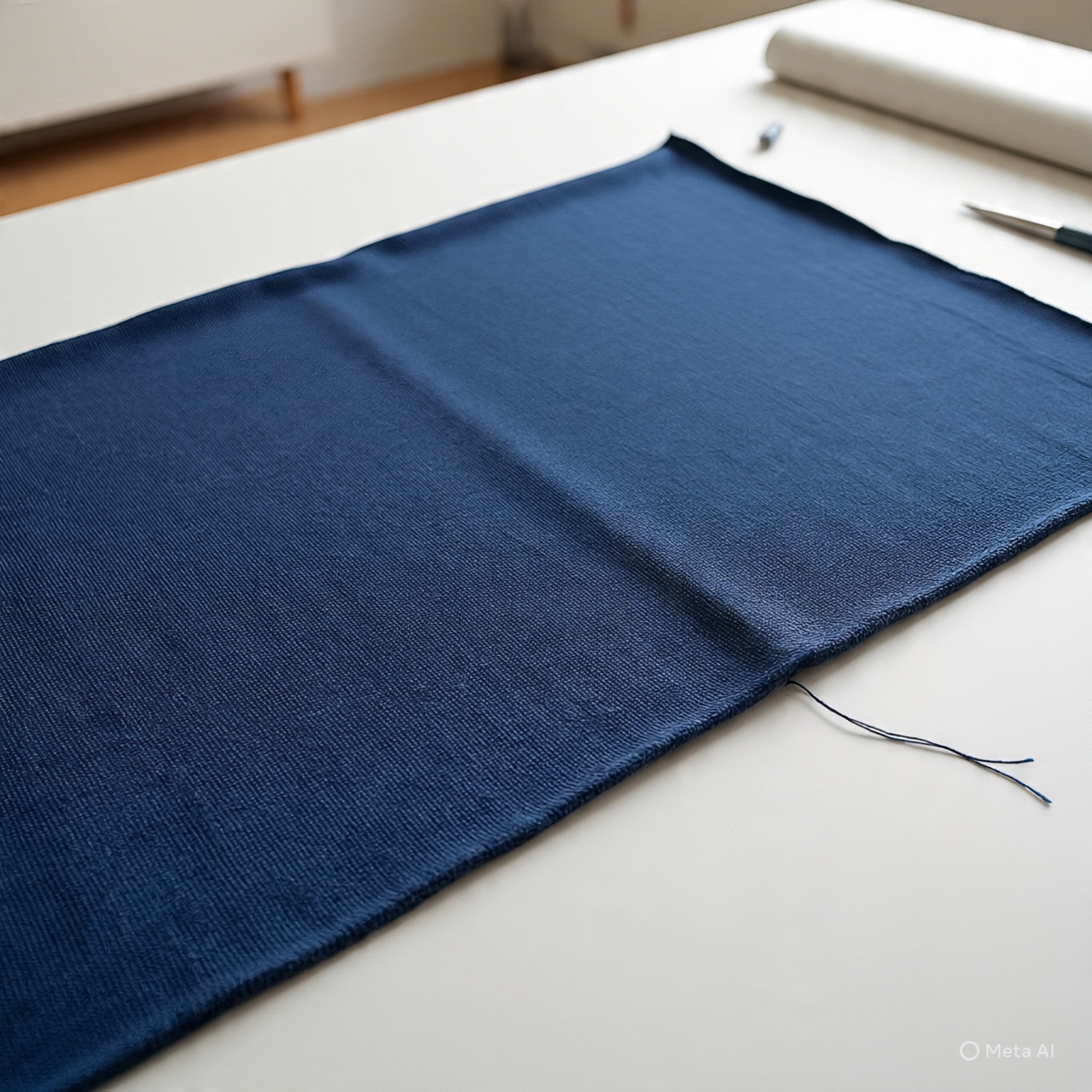
$AAPLon A fabric foundation (also called a geotextile foundation system) is a modern ground-improvement technique that uses high-strength synthetic fabric to reinforce weak soil and improve load-bearing capacity. It is commonly used in road construction, embankments, railways, and shallow foundations where the soil is soft or unstable.
1. Definition
$AAPLon A fabric foundation system consists of engineered fabric layers placed between soil layers to increase stability, prevent mixing of materials, and distribute loads evenly. The fabric used is generally made from polypropylene or polyester and is known as geotextile fabric.
2. Purpose of Fabric Foundation
The main objectives are:
Improve soil strength
Prevent settlement
Increase bearing capacity
Control erosion
Improve drainage
Separate different soil layers
It is especially useful in clayey, sandy, or marshy soils where conventional foundations may fail.
3. Types of Geotextile Fabrics
Woven Geotextiles – Strong and used mainly for reinforcement purposes.
Non-woven Geotextiles – Used for filtration and drainage.
Knitted Geotextiles – Less common, used in specialized applications.
4. Functions of Fabric in Foundation
a) Separation:
Prevents mixing of subgrade soil and aggregate layer.
b) Reinforcement:
Improves tensile strength of soil and distributes loads.
c) Filtration:
Allows water to pass while retaining soil particles.
d) Drainage:
Facilitates water flow within the soil structure.
e) Protection:
Protects geomembranes or other materials from damage.
5. Installation Process
Prepare and level the ground surface.
Remove sharp objects and debris.
Roll out the geotextile fabric smoothly over the surface.
Overlap adjacent sheets (usually 300–500 mm).
Place aggregate or fill material carefully over the fabric.
Compact the fill material properly.
Proper installation is critical to ensure performance and durability.
6. Advantages
Cost-effective compared to deep foundations
Quick and easy installation
Reduces maintenance costs
Increases service life of pavement
Environmentally friendly
Lightweight and flexible
7. Limitations
Not suitable for extremely heavy loads without additional reinforcement
Can be damaged during installation
Requires proper design and soil testing
8. Applications
Highway and road construction
Railway tracks
Airport runways
Retaining walls
Landfills
Embankments and slopes
Temporary construction roads
9. Design Considerations
Soil type and bearing capacity
Load intensity
Drainage conditions
Fabric strength and permeability
Overlap and anchorage length
Engineers must follow relevant standards and guidelines while designing a fabric foundation system.
Conclusion
$AAPLon Fabric foundation is an innovative and efficient soil stabilization method. By improving soil performance and distributing loads evenly, it enhances the stability and durability of construction projects. With proper design and installation, fabric foundations provide a reliable and economical solution for weak .#IranConfirmsKhameneiIsDead