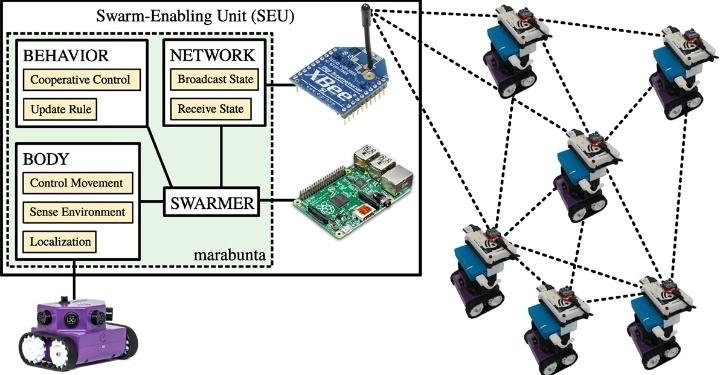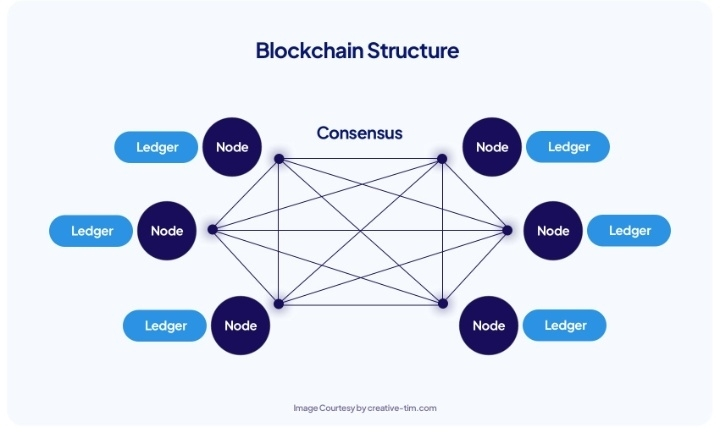
When you first learn about Fabric Protocol, it doesn’t hit you as just another tech project — it feels more like a quiet revolution unfolding in the background of the robotics and AI world. This isn’t about flashy robots doing tricks or impressive demos; it’s about solving one of the most fundamental problems that has quietly held back the way machines work together, especially in the real world.
Think about how humans coordinate. We can form teams, negotiate trust, share plans, follow agreed rules, and verify whether others did what they promised. That sense of trust and shared coordination is woven deeply into how society works. But with robots and autonomous systems today, those capabilities are largely missing. Many machines can be incredibly intelligent in their own sphere — navigating environments, recognizing objects, and even learning from data — but when you place them together from different manufacturers or software environments, their interactions become awkward at best, chaotic at worst. They’re as if they’re speaking different languages while trying to work on the same puzzle.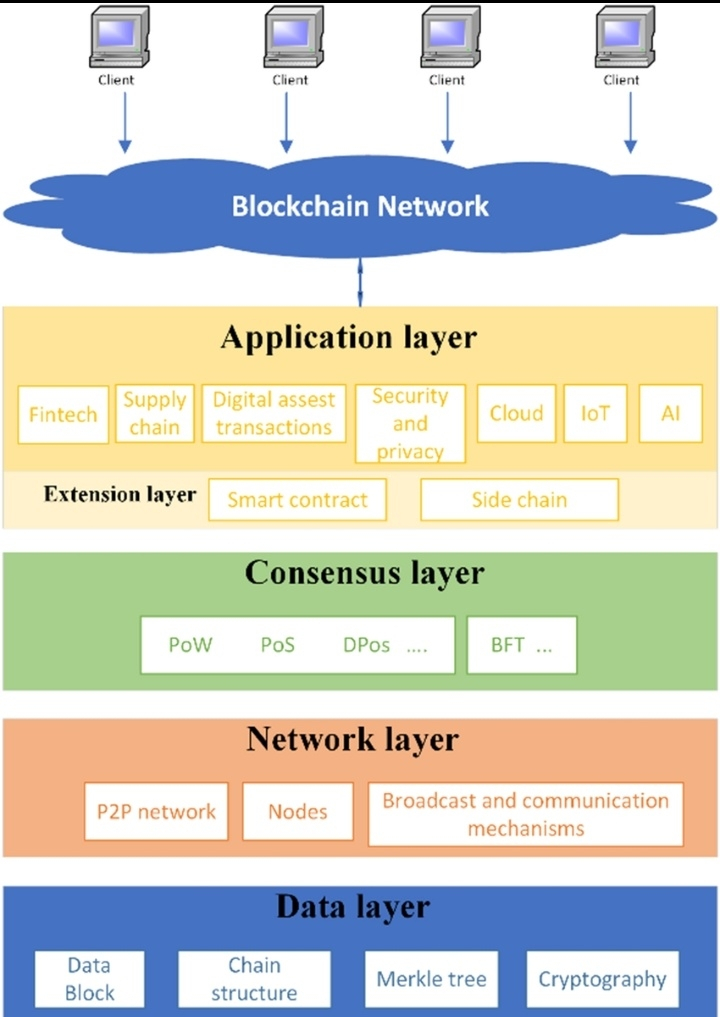
Fabric Protocol was born out of the desire to change that. Instead of thinking of robots as isolated assistants, the vision is to give them a common identity, a shared set of rules, and a verifiable way to interact with each other and with humans. At the heart of this vision is the belief that the future won’t be about humans commanding machines, but about machines collaborating with humans and with other machines in trusted ways. The idea is to build a digital infrastructure where any robot, agent, or autonomous system can prove what it did, why it did it, and whether it was legitimate — all without relying on a hidden server or a centralized company. This is made possible because the Fabric network coordinates data and computation across a public ledger that anybody can inspect, creating transparency and trust that’s built into the system itself.
What makes Fabric stand out is that it doesn’t just focus on intelligence or perception — two areas where robotics has already made huge strides — but on trust and collaboration. In the world of Fabric, robots from different makers, with different software stacks, can connect their identities, follow shared protocols, and work together without awkward translation layers or brittle integrations. The analogy often used by those close to the project is that it’s like giving machines a shared social contract — a way to understand rules, actions, and commitments that everyone else can verify.
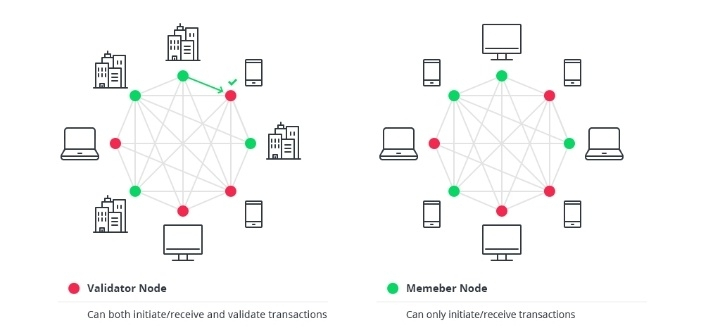
To enable all of this, Fabric Protocol introduced a native digital token called ROBO. But this isn’t another speculative digital coin devoid of real purpose; ROBO serves as the economic heartbeat of the network. It helps to power incentives for developers and operators, reward builders who contribute to the ecosystem, and enable machines themselves to participate in economic activity — such as paying for services, staking to support network validation, or earning rewards for carrying out verified tasks. In early 2026, ROBO’s public sale launched with a fully diluted valuation of roughly $400 million, aiming to raise around $2 million with early contributions from ecosystem partners.
The backbone of Fabric isn’t just token economics or robotic operating systems — it’s a layer of shared truth. Fabric combines mechanisms like verifiable computation, modular infrastructure, and agent-native primitives that empower machines to prove what they’ve done and interact with others in a way that’s both open and accountable. This kind of infrastructure means you don’t have to trust a single company’s server or codebase; instead, the public ledger itself becomes the source of truth that anybody — human or machine — can check.
What’s beautiful about this approach is how humane it feels, even though the subject is machines. It’s built on a recognition that trust matters not just for money or data, but for real-world collaboration. If autonomous vehicles are going to share our streets, if service robots are going to help in hospitals, and if fleets of machines are going to manage supply chains, there needs to be a common language of accountability — something that goes beyond closed ecosystems and proprietary standards. Fabric’s founders and supporters see this as the next frontier, where machines don’t just compute or follow orders, but participate in a trustworthy network of shared responsibility and collaboration.
This vision, however, isn’t without challenges. Bringing together diverse hardware platforms, software systems, and institutional expectations into a single open network requires enormous technical effort and collaborative spirit. Industry incumbents with closed platforms may resist opening their systems; regulators around the world will demand rigorous safety and compliance guarantees; and the social acceptance of autonomous systems that act with some degree of independence is still evolving. Moreover, economic incentives tied to tokens require careful design to avoid volatility or misplaced priorities. But the very fact that Fabric is addressing these questions — not as an afterthought, but as a core part of its architecture — sets it apart from conventional approaches that either ignore collaboration or treat governance as a separate layer of policy and contracts.
In a deeper sense, what Fabric represents is a shift in how we think about autonomy itself. It invites us to imagine a future where machines are not black boxes owned by a few companies, nor isolated systems hidden away in factories. Instead, they become networked participants that can interact, learn from one another, and integrate into human workflows with transparency. The vision is not about surrendering control, but about forging new kinds of cooperation — where machines enhance human capability while being accountable to shared norms that we can all inspect and understand. If this dream unfolds at scale, it could redefine how people work with technology, transforming robots from solitary tools into partners we trust with our world.