

Midnight is interesting to me for one reason more than any other: it is getting close enough to reality that the excuses are starting to run out.
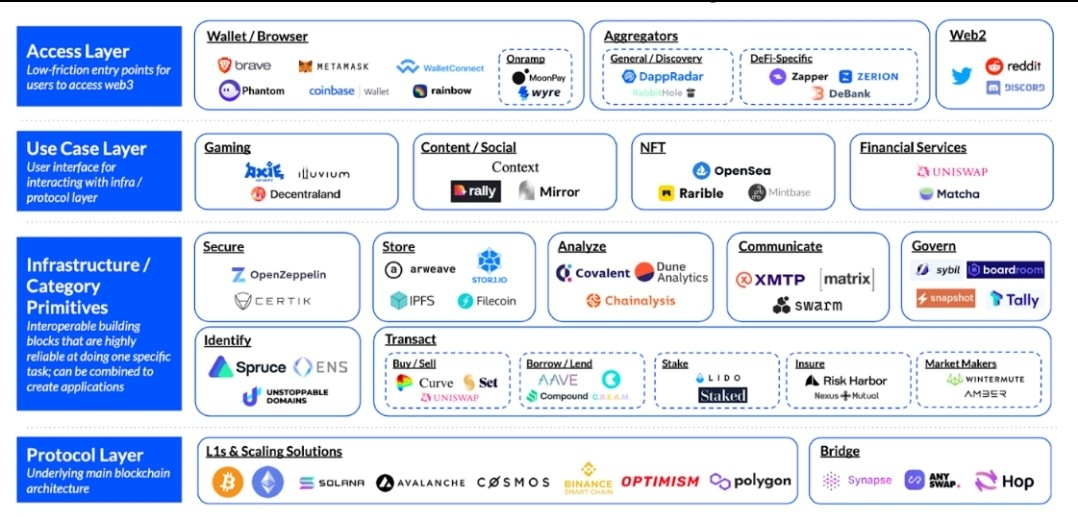
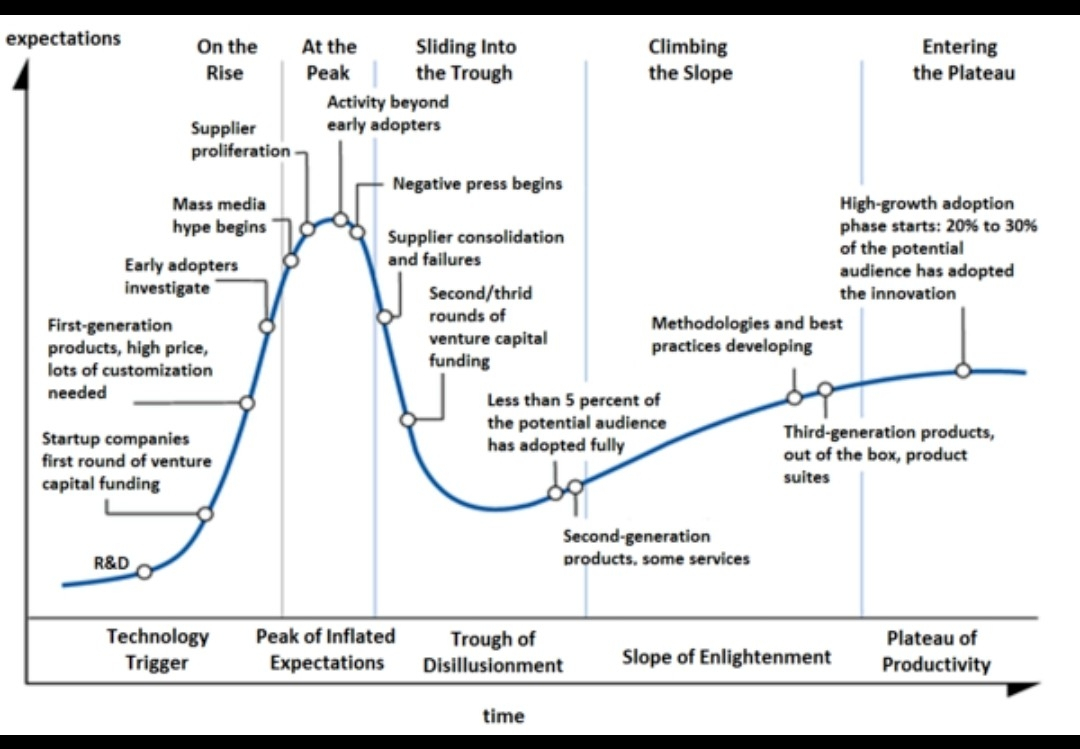
That is usually the moment when I start paying real attention. Not when an idea first appears on Crypto Twitter, and not when a whitepaper makes everything sound perfectly engineered. Early concepts almost always look impressive because nothing has faced pressure yet. But as launch gets closer, theory begins to meet reality. Developers have to build. Users have to interact with the system. Friction appears. And suddenly those clean diagrams must survive real behavior. Most projects struggle at that stage.
Midnight is slowly entering that phase now.
The reason it caught my attention is not simply because it calls itself a privacy project. That label has been used so often in crypto that it barely carries meaning anymore. Over the years privacy has been marketed as ideology, as compliance theater, as technical prestige, and sometimes just as a narrative to trade around. Many of those projects sounded convincing in theory but faded once practical use cases failed to appear.
What makes Midnight slightly different is the problem it is trying to address.
Blockchains were built on radical transparency. Every transaction, every interaction, every wallet movement is visible to anyone willing to look. That transparency built trust in the early days, but it also created a strange environment where every action lives permanently in public view. In many situations that level of exposure is simply unnecessary.
Not every process needs to be fully visible forever.
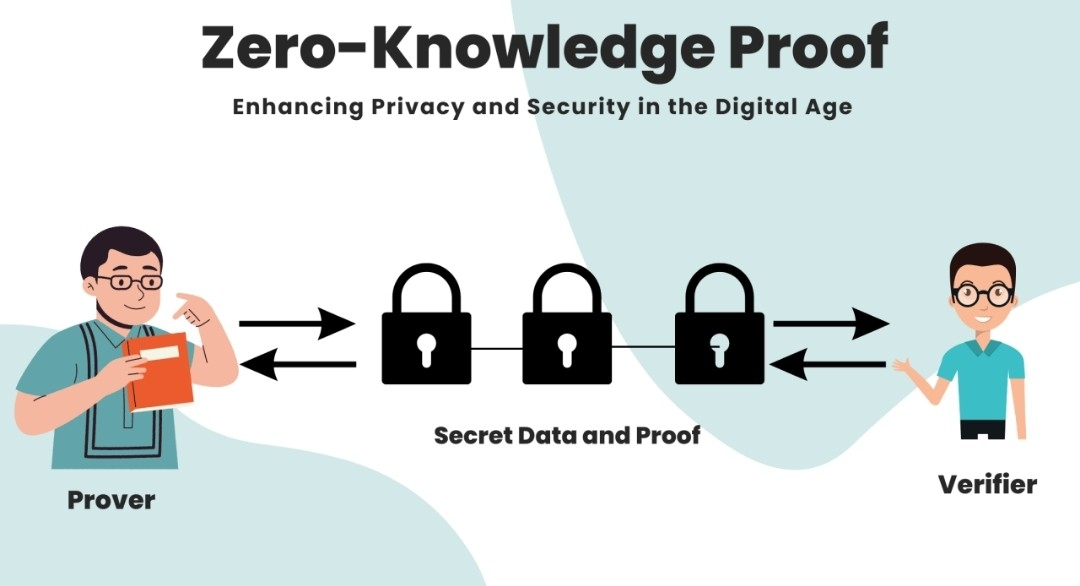
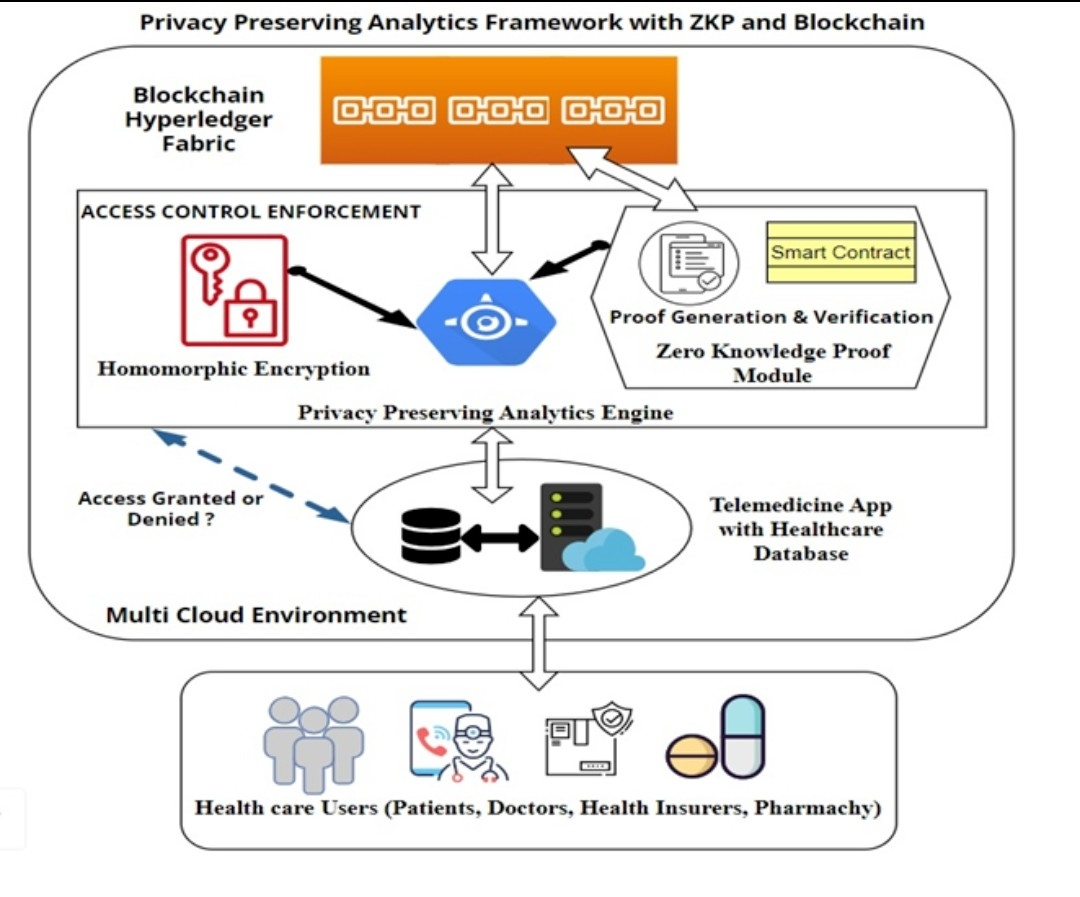
In the real world people often need to prove something without revealing everything behind it. A company might need to confirm compliance without exposing internal data. A user might need to verify identity without publishing personal information. Business logic, internal rules, and certain transactions often work better when the proof is visible but the details remain private.
That middle ground is where Midnight seems to be positioning itself.
Instead of trying to hide everything or expose everything, the idea revolves around selective disclosure powered by zero-knowledge technology. In simple terms, the system allows someone to prove that something is valid without revealing the full data behind it. If that works smoothly, it could solve a real friction point that public blockchains have quietly carried for years.
But recognizing the right problem is only the beginning.
Crypto history is full of projects with excellent ideas that never turned into real ecosystems. Many of them had elegant architectures, impressive research, and enthusiastic early communities. Yet once the system opened to real users, things became complicated. Development was harder than expected. User experience felt heavy. And the original vision never translated into daily activity.
That is the stage Midnight is approaching.
For me, the real question is not whether the concept is interesting. It clearly is. The question is whether the network can survive the grind that follows launch. Developers must feel comfortable building applications on it. Users must interact with it without feeling overwhelmed by complexity. Privacy needs to appear as a natural feature of the system, not as an extra layer that adds friction.
Because privacy alone is not enough to keep people around.
Privacy is not a product. It is a property of a system. People stay on networks when something becomes easier, smoother, or less stressful than before. When a workflow that used to feel exposed or inefficient suddenly feels natural. If Midnight manages to create that experience for certain types of applications, then the network could find a durable place in the ecosystem.
If it cannot, even strong technology will not be enough.
I have watched the crypto market many times reward projects with attention long before they earned long-term relevance. A new narrative appears, excitement builds, token activity creates momentum, and suddenly curiosity gets mistaken for adoption. But attention is cheap in this industry. Real retention appears only when users return again and again because the system genuinely improves something they need.
That is the test Midnight will eventually face.
Still, I do think it is aiming at a more realistic opportunity than many past privacy projects. It does not need to become the universal home for everything on-chain. In fact, that would probably make the story less believable. A stronger path may lie in smaller, specific areas where full transparency never made sense in the first place and where selective disclosure could genuinely improve how applications function.
Those pockets of activity already exist in crypto. They simply lacked the tools to handle privacy correctly.
Midnight seems to be trying to build those tools.
Whether it succeeds will depend on far more than architecture. It will depend on how difficult the system is to build on, how intuitive the user experience feels, and whether privacy becomes something developers can integrate naturally rather than something they must fight against.
I have seen technically brilliant systems collapse simply because using them felt like joining a research laboratory.
That is the line Midnight will have to walk.
For now, what I see is a project that at least recognizes a real weakness in blockchain design. The industry spent years assuming that absolute transparency was always a strength, when in practice it often created unnecessary exposure, awkward incentives, and operational friction.
Midnight is trying to challenge that assumption.
Not with slogans or dramatic promises, but by experimenting with a system where proof matters while exposure does not. If that balance can be made practical, the network may quietly become useful in areas where current blockchains still feel slightly broken.
But good instincts do not guarantee success.
Crypto has a long history of ideas that made perfect sense until they encountered the realities of building, scaling, and maintaining user attention. Midnight may eventually prove itself to be different, or it may become another respected project that never quite found a reason for people to stay.
Right now it sits in that uncertain space.
What I can say is this: Midnight has more substance than many projects at this stage. It is pushing against a real design limitation in the blockchain world, and it is doing so with a fairly grounded understanding of how transparency and privacy actually interact in practice.
That earns attention.
But attention is only the beginning. The real question is whether Midnight can turn that substance into repeat behavior, into something developers build with and users return to because it makes certain activities less exposed, less awkward, and less fragile than they were before