
The other morning I was sitting with my coffee, staring at the same empty inbox I've ignored for weeks, feeling that quiet frustration of wanting to say something real but knowing most conversations in this space just echo the same optimism. It's like everyone's shouting into mirrors.
Later that day I pulled up Binance Square, scrolled to the CreatorPad section, and clicked into the NIGHT campaign page for Midnight. There was this leaderboard staring back, rows of usernames ranked by points from completing tasks—posting, engaging, whatever the table said to do. I hit "Join now," skimmed the instructions, and started one of the simple actions: writing something tied to the ecosystem. As the progress bar ticked up and I saw how the points accumulated from those repetitive interactions, it hit me differently than expected. That moment of watching the system reward volume over substance made me pause—the entire setup felt like it was quietly training us to produce more noise rather than better signals.
We keep telling ourselves that crypto communities thrive on participation, that every like, post, and task builds something stronger. But what if the real effect is the opposite? What if these incentive layers, especially when they're tied to new tokens like NIGHT in the Midnight ecosystem, aren't empowering voices so much as they're diluting them? The more we gamify expression—turning thoughts into point-chasing exercises—the more everything starts to sound the same. Genuine unease or doubt gets smoothed out because it doesn't rank as well as upbeat takes or keyword-stuffed updates. It's not about censorship; it's subtler. The mechanism itself pushes toward consensus through repetition, not through friction or real challenge.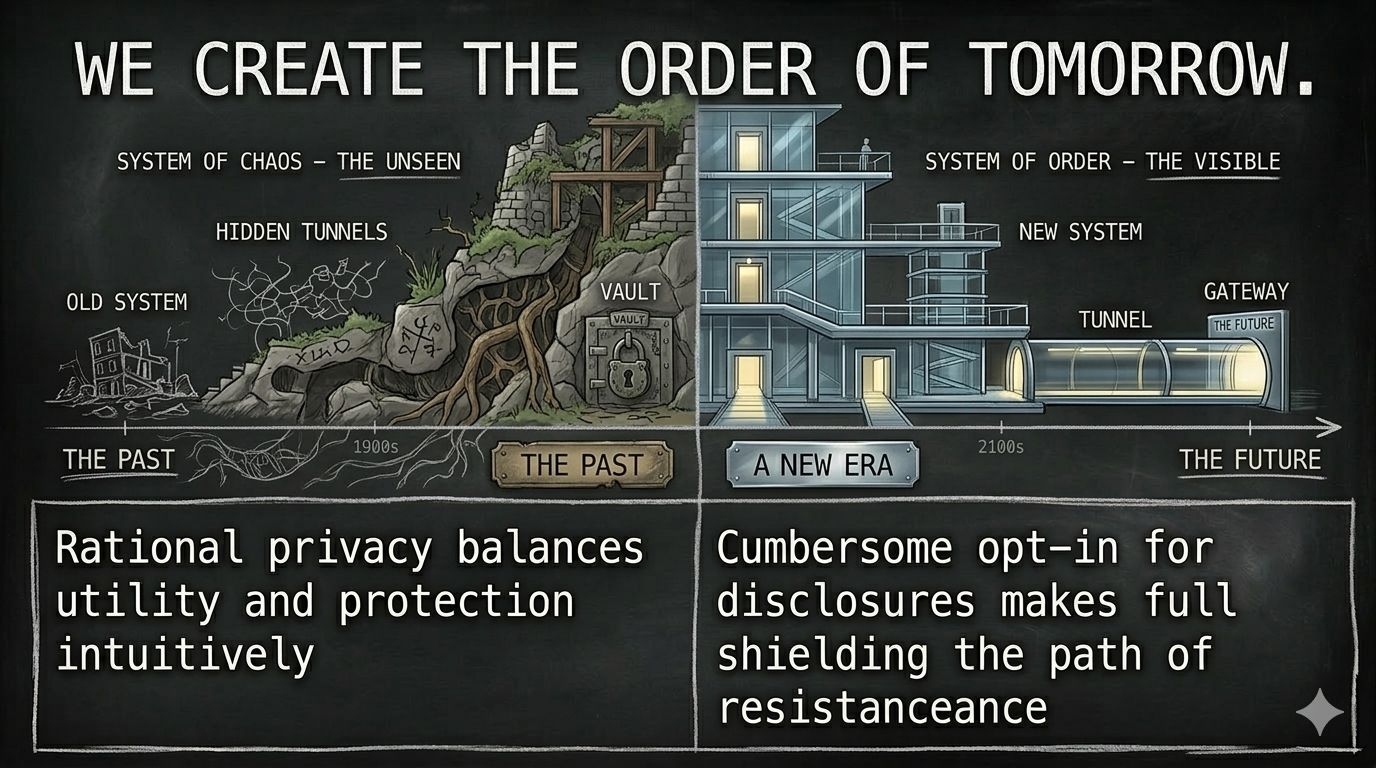
Midnight itself tries to carve out space for something else—rational privacy through zero-knowledge proofs, a dual setup where NIGHT stays public while DUST handles the shielded side. The idea is elegant on paper: separate governance and capital from the messy operational side, let people hold NIGHT to generate what they need without burning the token directly. It promises predictability in a space that's usually chaotic. But even here, the token's role in campaigns like this one on Binance Square pulls it right back into the familiar cycle. We're not just holding or staking; we're performing for scraps of it. That performance doesn't deepen understanding of programmable privacy or why unshielded governance might matter—it just adds another layer of activity metrics.
I wonder if this is the trap we've built for ourselves. Privacy tech like Midnight's could let us finally speak without every move being tracked and monetized, yet the way we distribute and engage around the token keeps us locked in the same attention economy we claim to escape. The louder we get to earn, the less we're actually saying anything that risks disagreement or real thought.
So what happens when the incentives start valuing quantity and alignment over anything uncomfortable? Are we building networks that protect privacy or just better mechanisms to manufacture agreement? #night $NIGHT @MidnightNetwork