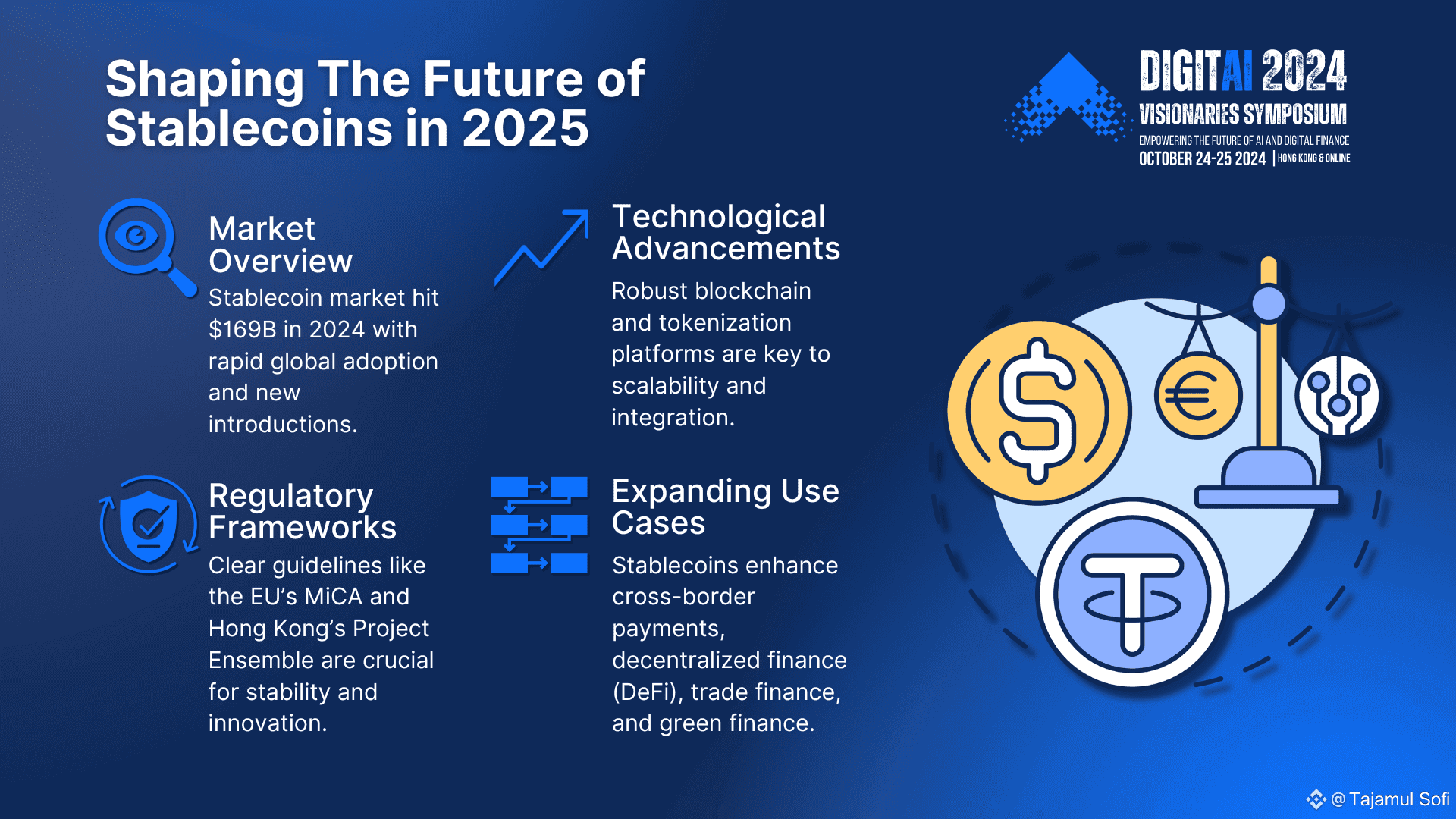
Here is a detailed breakdown of this complex relationship.
The Core Problem: Economic Instability in Emerging MarketsTo understand why stablecoins are gaining traction, we must first understand the challenges people face:
Hyperinflation and Currency Devaluation: Currencies like the Venezuelan Bolívar, Argentine Peso, or Nigerian Naira can lose purchasing power rapidly. Saving in local currency is akin to watching your wealth evaporate.
Weak Banking Infrastructure: Large segments of the population are unbanked or underbanked. Physical banks may be inaccessible, and fees can be prohibitively high.
Capital Controls: Governments often restrict the flow of foreign currency (like USD) to prevent capital flight. This traps savings within a failing system and creates a lucrative black market for dollars.
Political Instability and Corruption: Trust in central banks and government institutions is low. Citizens fear their assets could be frozen, confiscated, or rendered worthless by poor policy.
Stablecoins as a Survival Tool: The "How"
Stablecoins directly address these survival challenges by offering a digital representation of stability, primarily pegged to the US Dollar.
1. Preserving Savings and Wealth:
Digital Dollarization:Citizens can convert their volatile local currency into a stablecoin like USDT or USDC. This acts as a lifeboat, preserving the value of their savings against inflation. It's a form of "digital dollarization" that bypasses the need for a physical US dollar bank account, which is often impossible to open due to capital controls.
Example: An Argentine freelance developer can receive payment in USDC and hold it without worrying about the peso devaluing 50% in a few months.
2. Facilitating Remittances:
Lower Cost and Faster Speed:Traditional remittance services (like Western Union) can charge fees of 5-10% and take days. Stablecoin transfers are near-instant and cost a fraction of a cent.
Example: A migrant worker in the US can send USDC to their family in the Philippines via a blockchain network. The family receives it within minutes and can convert it to local currency through a crypto exchange or peer-to-peer (P2P) platform
3. Enabling Commerce and Access to Global Markets:
A Stable Unit of Account:For businesses operating in high-inflation environments, pricing goods and services in the local currency is a nightmare. Stablecoins provide a stable unit of account for contracts and invoices.
Access to DeFi (Decentralized Finance):While risky, DeFi platforms allow users with an internet connection and a crypto wallet to earn yield on their stablecoin savings, access loans, and trade—services traditionally reserved for those with access to sophisticated financial systems.
#AltcoinStrategicReserves #BinanceHODLerFF The Paramount Challenge: Trust
The very survival utility of stablecoins hinges on one fragile element trust. This trust operates on multiple levels.
#StablecoinRevolution 1. Trust in the Peg (The Promise of Stability)
The Core Question:Is the stablecoin actually backed 1:1 by safe, liquid reserves (like cash and US Treasuries)?
The Specter of Collapse:The failure of TerraUSD (UST), an algorithmic stablecoin, in 2022 is a cautionary tale. It proved that if trust in the mechanism breaks, the peg collapses, and people lose everything—precisely the opposite of their survival goal.
Transparency is Key: Trustworthy stablecoins like USDC (issued by Circle) undergo regular attestations and audits. Others, like Tether (USDT), have faced scrutiny over the composition of their reserves. For someone risking their life savings, this transparency is non-negotiable.
2. Trust in the Technology.
Security: Users must trust that the underlying blockchain (e.g., Ethereum, Solana) is secure and that their digital wallets are safe from hackers. Loss of private keys means irreversible loss of funds.
Usability: The user experience must be simple enough for non-technical users. Complexity breeds mistakes and erodes trust.
3. Trust in the Ecosystem.
On-Ramps/Off-Ramps:Trust is needed in the local crypto exchanges or P2P platforms used to convert local currency to stablecoins and back. Are they solvent? Are they regulated? Will they freeze your assets?
Regulatory Uncertainty:Governments in emerging markets have mixed reactions. Some embrace the technology (e.g., El Salvador), while others ban it (e.g., China). A sudden regulatory crackdown can trap assets or make conversion illegal, destroying trust overnight.
The Evolving Landscape: From Survival to Empowerment
The narrative is evolving from pure survival to broader economic empowerment.
Dollar-Linked Stablecoins vs. Local Currency Token, While dollar-pegged stablecoins are dominant, some projects are exploring stablecoins pegged to local currencies (e.g., a Brazilian Real-pegged stablecoin). This could integrate with local economies more seamlessly but would still require immense trust in the issuer and the underlying monetary policy.
Central Bank Digital Currencies (CBDCs): In response to stablecoins, many emerging market central banks are exploring their own digital currencies. However, this raises a different trust issue: CBDCs could give governments unprecedented control over spending (e.g., programmable money with expiration dates), which may not solve the trust deficit citizens have in their governments.
Conclusion: A Fragile Lifeline
Stablecoins have emerged as a powerful, technology-driven response to systemic economic failures in emerging markets. They are a tool for survival, enabling individuals to protect their wealth, receive affordable remittances, and participate in the global economy.
However, their utility is entirely dependent on a complex and fragile chain of trust:
* Trust that the coin is truly backed.
* Trust that the technology is secure.
* Trust that the local infrastructure (exchanges) is reliable.
* Trust that the regulatory environment won't change catastrophically.
$BNB For the user in an emerging market, the calculus is a desperate one the risk of trusting a new, digital system versus the certainty of watching their life savings decay in a broken, traditional one.As long as the traditional financial system fails them, the appeal of stablecoins will remain powerful, making the pursuit of transparency and regulatory clarity perhaps the most important factor for their long-term survival and positive impact.