I’ve been thinking about digital identity a lot lately, and honestly, it still feels pretty broken.
We already “own” our data on paper. We have wallets, logins, verifiable credentials, and self sovereign identity standards that sound perfect in theory. But in practice, every time we need to prove something, we end up handing over way more than necessary. Want to prove you’re over 18? Upload your full ID. Want to verify employment? Share your entire certificate. Want a loan? Hand over your whole credit history. It’s the same old story: trust still demands oversharing.
That’s exactly why @MidnightNetwork caught my attention.
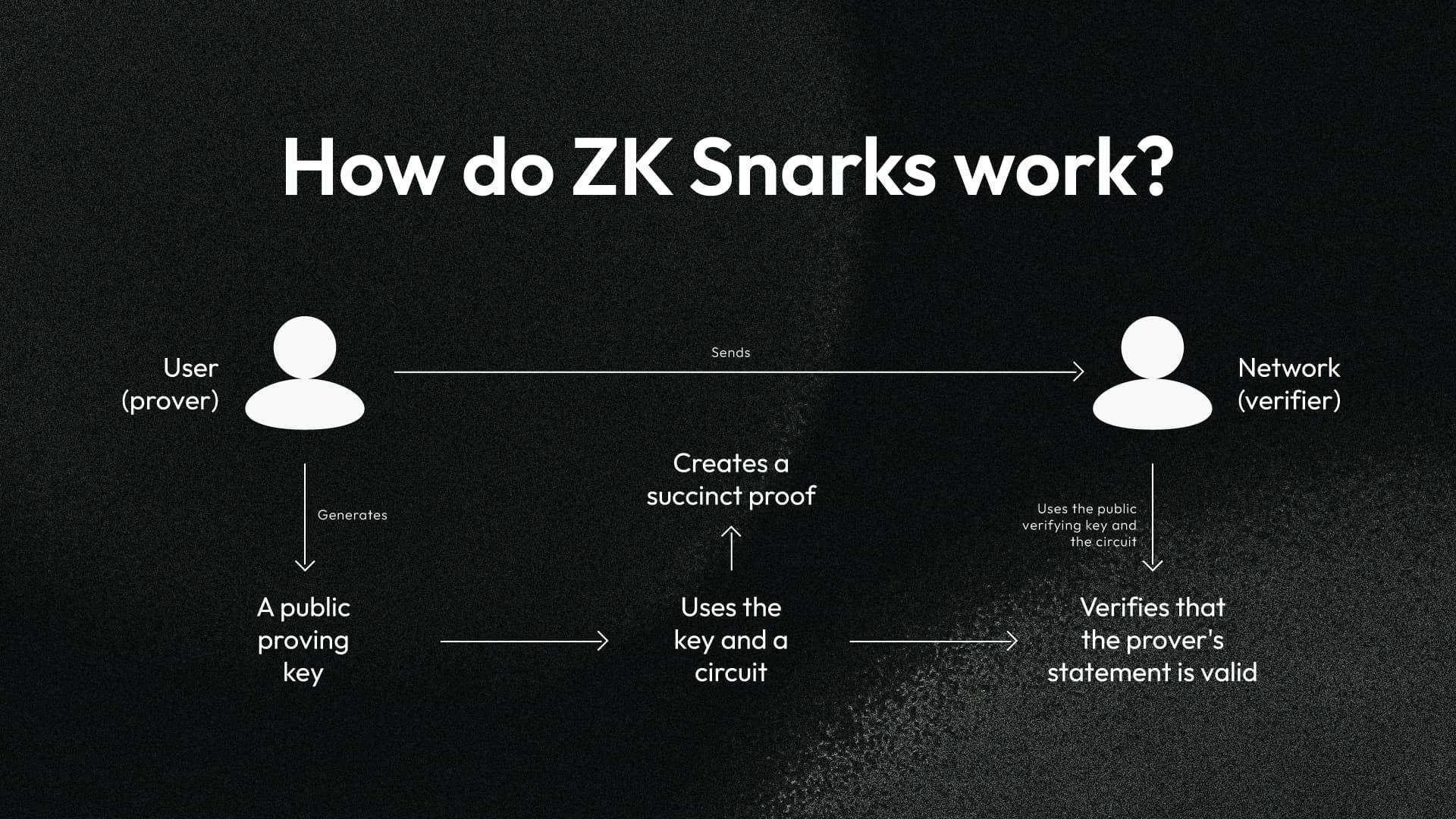
Instead of forcing you to expose everything, Midnight uses recursive zk-SNARKs to let you prove facts without revealing the underlying data. You can generate a tiny proof that says “yes, I meet the age requirement” or “yes, my credit score is above the threshold” and that’s all the other side sees. No birthdate, no full ID, no transaction history. The proof is compact, fast to verify, and non interactive, so it actually works in real time.
This selective disclosure changes everything. Age verification becomes private instead of invasive. Employment checks stay secure without handing documents to every recruiter. KYC for DEXs can finally be compliant without creating massive centralized databases full of sensitive data. Even credit checks or health verifications can happen without exposing the raw information.
For me, this isn’t just another privacy feature, it’s a shift in what ownership actually means. Ownership shouldn’t just mean “your name is attached to it.” It should mean you control what stays private and what gets shared, under your own terms.
Midnight pairs this with a dual ledger system: sensitive data stays shielded on your device, while public interactions (like governance) remain transparent. Developers get TypeScript smart contracts that make building these privacy first apps straightforward. The result is infrastructure that lets real world systems finally work the way we’ve always wanted,it's useful without treating user exposure as the default price of entry.
In 2026, with regulations tightening and data breaches everywhere, this kind of rational privacy could finally make blockchain usable for normal people and institutions at the same time.
It opens the door for secure digital IDs, private credential sharing, compliant DeFi, and even government services that respect boundaries instead of demanding total visibility.
The tech is already here. The question now is how quickly builders and users start using it. If you’re a developer working on identity, verification, or compliance tools, Midnight’s stack is worth exploring right now. The ability to prove without revealing isn’t just a nice to have. It’s the missing piece that could make digital ownership feel real for the first time.
What do you think? could zk-SNARKs finally make digital identity feel like true control?
Let me know your thoughts below; I read every comment!