
Industria roboticii are o problemă de fragmentare pe care majoritatea oamenilor nu au apreciat-o pe deplin încă. Când un Spot de la Boston Dynamics intră într-un depozit alături de un umanoid UBTech și o unitate de reabilitare Fourier Intelligence, aceste mașini sunt efectiv străine una față de cealaltă - ele funcționează pe sisteme de operare proprietare separate, nu pot partaja datele senzorilor și nu au un limbaj comun pentru coordonare. Aceasta nu este doar o neplăcere; este un plafon structural care limitează potențialul sistemelor autonome la o fracțiune din ceea ce este teoretic posibil.
OpenMind pariază că soluția nu constă în construirea de roboți mai buni, ci în construirea stratului care îi conectează pe toți.
Problema: Trei Tehnologii Puternice, Zero Integrare
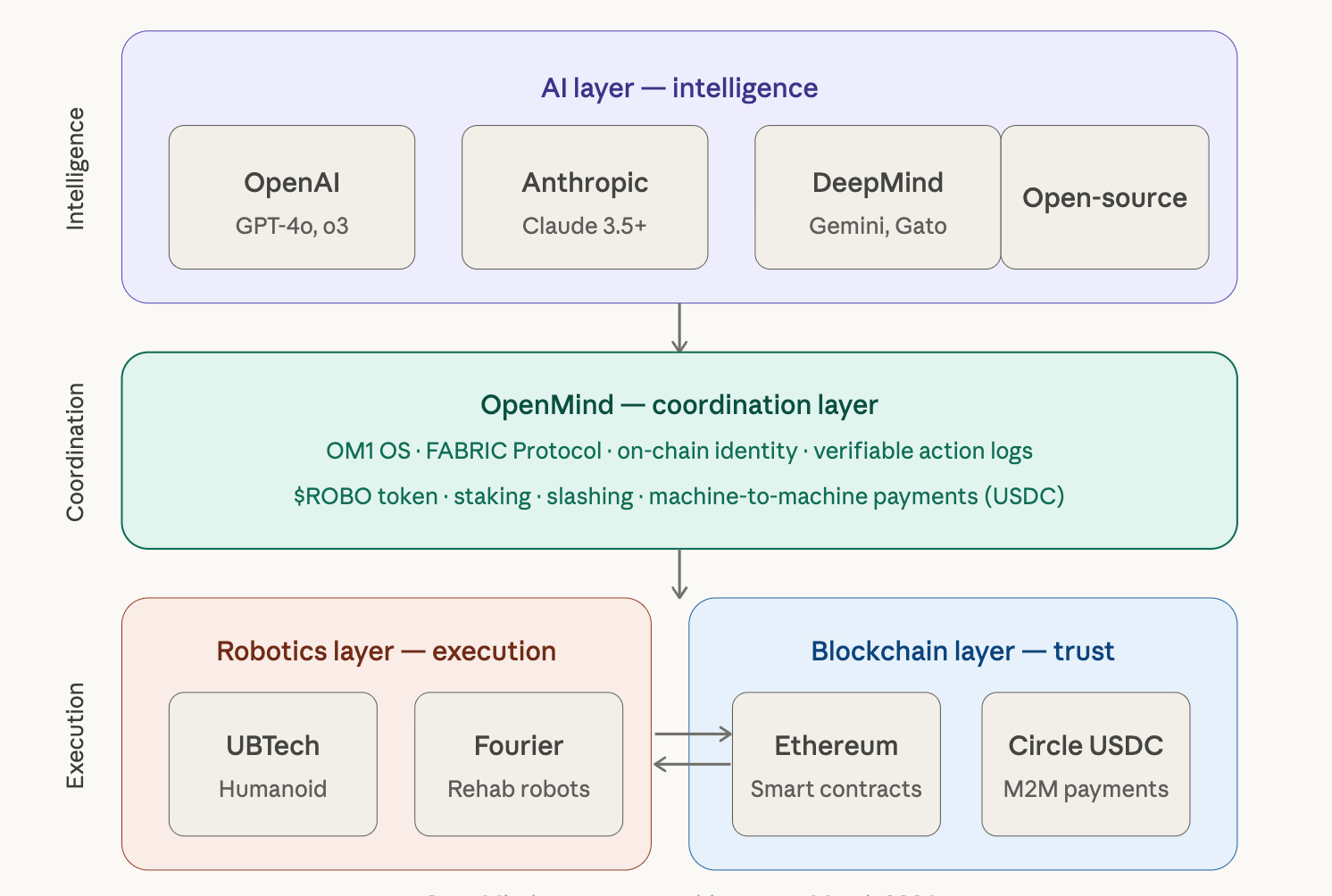
Pentru a înțelege de ce abordarea OpenMind este importantă, ajută să vedem peisajul actual clar. Avem trei tehnologii transformaționale care se maturizează simultan, dar fiecare operează în izolare aproape completă față de celelalte.
AI, așa cum a fost dezvoltat de organizații precum OpenAI, DeepMind și Anthropic, a atins un punct de inflexi remarcabil. Benchmark-urile recente arată că modelele AI obțin scoruri de peste 0,5 la "Ultimul Examen al Umanității" - un test considerat inițial nesolvabil de către mașini, cu o performanță îmbunătățită de cinci ori în doar zece luni. Aceste sisteme pot procesa medii complexe, pot lua decizii și pot controla hardware fizic prin cod open-source. Cu toate acestea, în ciuda acestei capacități, agenții AI nu au în prezent un mod standardizat de a fi trași la răspundere pentru acțiunile lor în lumea reală.
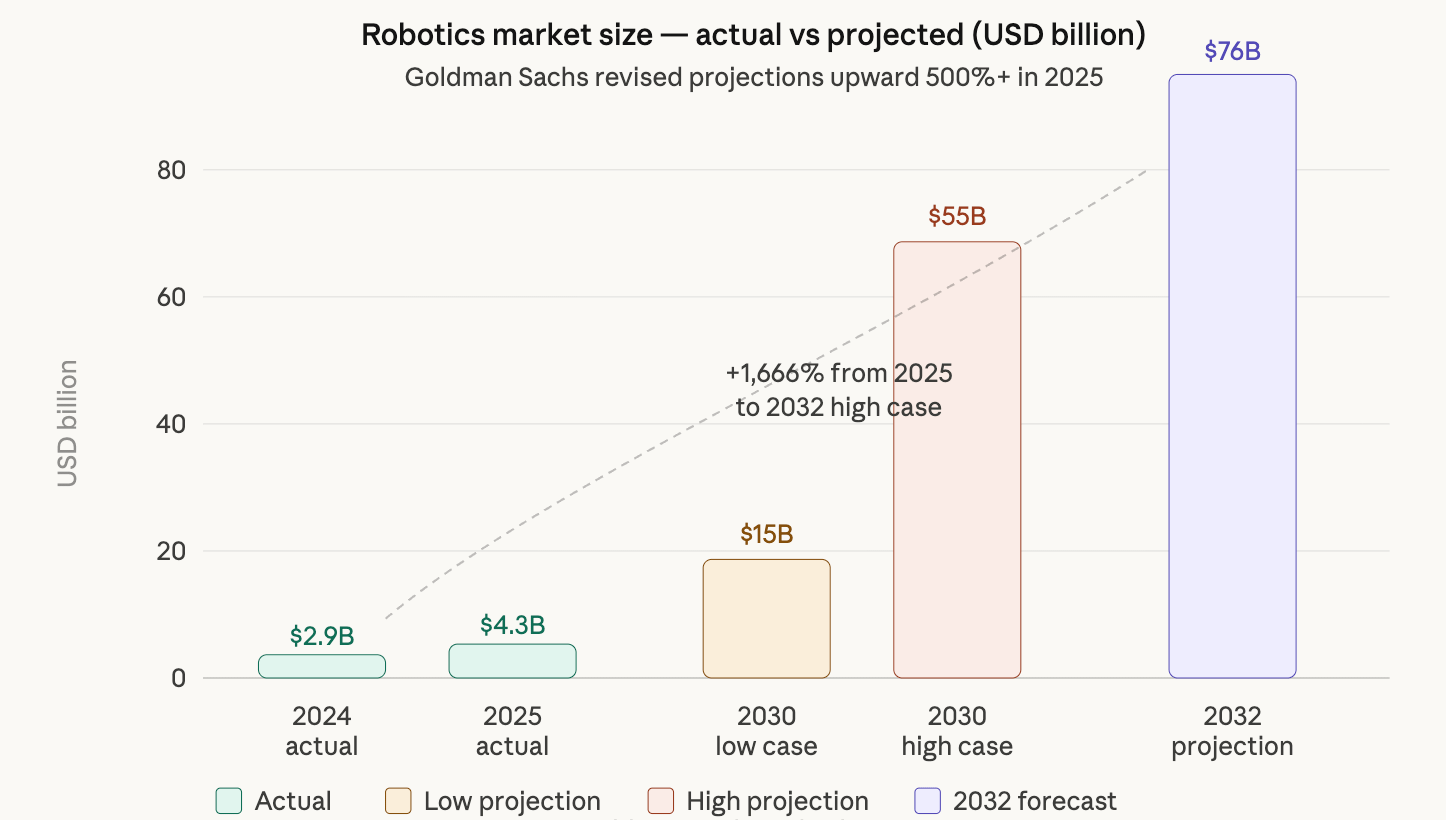
Pe partea de hardware, piața roboticii umanoidale a fost evaluată între 2,9 - 4,3 miliarde de dolari în 2025, iar Goldman Sachs a revizuit estimările de creștere în sus cu peste 500%, cu piața putând ajunge la 15–76 miliarde de dolari până în 2030-2032. Optimus de la Tesla, desfășurările Figure AI în fabricile BMW și unitățile comerciale Atlas de la Boston Dynamics reprezintă o industrie care trece de la demonstrații de laborator la medii de producție cu viteză. Dar fiecare dintre aceste sisteme rulează pe software închis și proprietar. Un Optimus Tesla și un Figure 02 nu împărtășesc nicio infrastructură comună, nu pot coordona sarcini și nu pot transfera comportamente învățate între ele.
Rețelele blockchain, cum ar fi Ethereum și Solana, au perfectionat în același timp decontarea fără încredere și stimulentele economice programabile - dar se confruntă cu o limitare fundamentală: nu pot verifica nativ ce se întâmplă în lumea fizică. Un contract inteligent poate impune termeni de plată, dar nu poate confirma independent dacă un robot a finalizat efectiv sarcina sa alocată.
Aceasta creează o deconectare în trei direcții: AI poate decide, dar nu poate fi urmărit, roboții pot acționa, dar nu pot dovedi, iar blockchain-urile pot impune, dar nu pot observa realitatea. Teza OpenMind este că închiderea acestui triunghi merită 22 milioane de dolari în capital de risc și atenția unor investitori dintre cei mai agili atât în crypto, cât și în robotică.
Arhitectura OpenMind: Două Produse, O Viziune
Mai degrabă decât să concureze cu producătorii de hardware sau laboratoarele de modele fundamentale, OpenMind și-a construit strategia în jurul a două produse de infrastructură complementare.
OM1 este un sistem de operare independent de hardware pentru mașini inteligente. Proiectat să funcționeze pe diferite hardware-uri de la diferiți producători, OM1 acționează ca un strat cognitiv universal - permițând roboților din diferite mărci să perceapă mediu lor, să ia decizii și să acționeze într-un mod consistent și interoperabil. Analogia cu Android este intenționată: așa cum Android a permis dezvoltatorilor de software să scrie aplicații care rulează pe Samsung, LG sau orice dispozitiv Android, mai degrabă decât să fie blocați în ecosistemul unui singur producător, OM1 își propune să permită aplicațiilor robotice să fie desfășurate pe UBTech, Zhiyuan Robotics, Fourier Intelligence și altele printr-un singur standard.
FABRIC este stratul de protocol nativ blockchain care stă deasupra OM1. Oferă fiecărui robot o identitate verificabilă pe blockchain, permite partajarea sigură a contextului între mașini și permite ca acțiunile fizice să fie înregistrate ca date pe blockchain, imposibil de falsificat. Gândiți-vă la el ca la o combinație de GPS peer-to-peer, un VPN și un strat de handshake criptografic - toate funcționând pe o rețea descentralizată, mai degrabă decât printr-un server centralizat. Whitepaper-ul FABRIC, publicat în decembrie 2025, propune un model dinamic de emitere a tokenurilor unde $ROBO emisiunea se ajustează în funcție de două semnale active: utilizarea efectivă a rețelei versus capacitate, și scorurile calității serviciului în timp real. Acest mecanism recompensează munca reală în timp ce penalizează performanța degradată.
Împreună, aceste două produse abordează lacuna de coordonare care a împiedicat roboții să devină adevărați agenți economici.
Trafic Real: De la Whitepaper la Producție
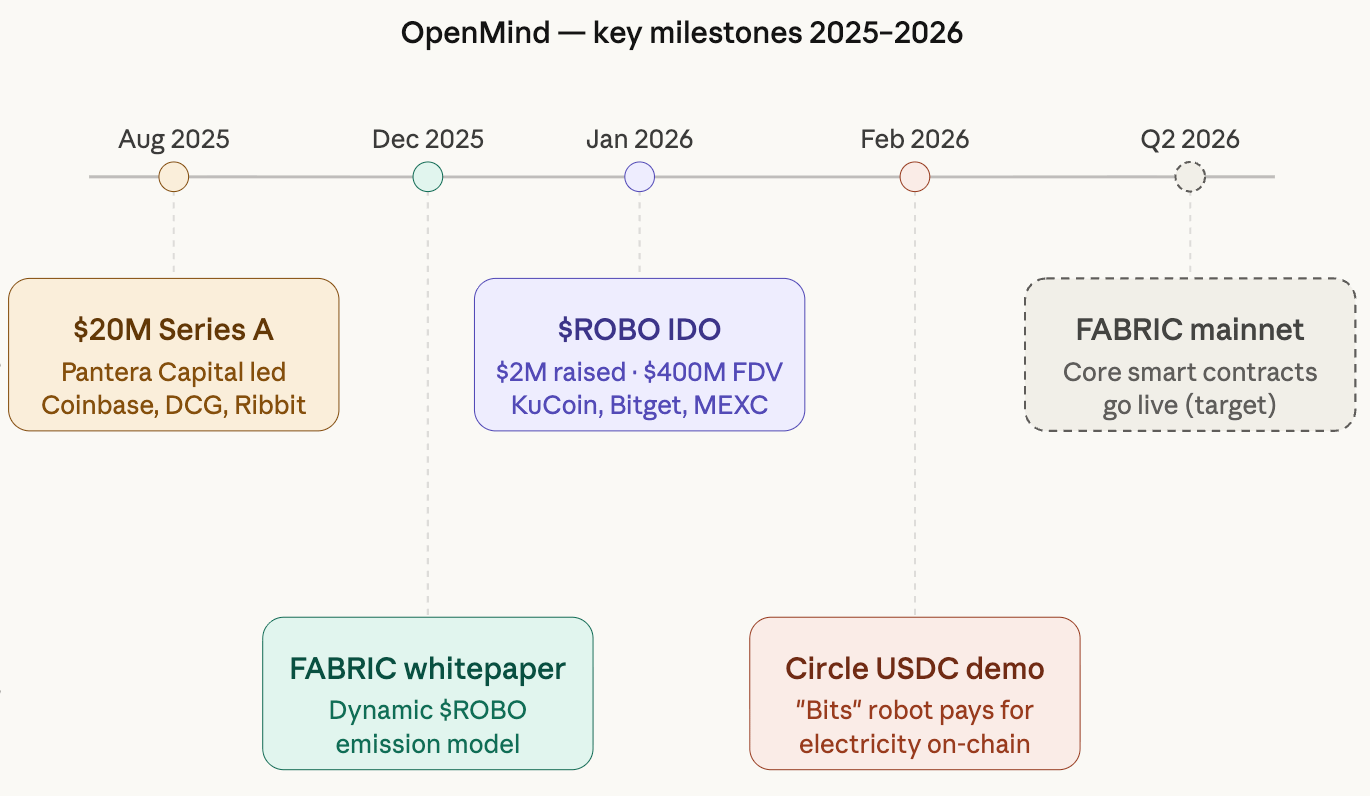
Ce separă OpenMind de proiectul tipic de concept AI-blockchain sunt etapele concrete pe care le-a atins deja. În august 2025, Pantera Capital a condus o rundă de finanțare de 20 milioane de dolari - un semnal notabil având în vedere istoricul Pantera în investiții timpurii în Ethereum, Polkadot și Solana. Runda a inclus Coinbase Ventures, Digital Currency Group, Ribbit Capital, HongShan (fost Sequoia China), Lightspeed Faction, Amber Group și Primitive Ventures. Partenerul Pantera, Paul Veradittakit, a subliniat că "roboții și agenții AI evoluează de la instrumente izolate la actori economici care au nevoie de infrastructură financiară", încadrând investiția nu ca o miză pe tehnologia OpenMind în izolare, ci pe stratul de infrastructură al unei economii emergente a mașinilor.
Validarea mai semnificativă a venit în februarie 2026, când Circle - emitentul USDC, a doua cea mai mare stablecoin din lume cu peste 60 miliarde de dolari în circulație - a colaborat cu OpenMind pentru a demonstra prima plată automată AI-robot alimentată de USDC pe infrastructura blockchain. În demonstrație, câinele robot OpenMind „Bits” a identificat că bateria sa scade, a localizat cea mai apropiată stație de încărcare, s-a conectat fizic și a plătit autonom pentru electricitate utilizând USDC - toate fără intervenție umană. CEO-ul Circle, Jeremy Allaire, a descris-o ca pe o privire în viitorul în care mașinile și agenții AI pot tranzacționa între ei fără implicarea umană. Crucial, această tranzacție a necesitat percepția mediului în timp real, luarea de decizii autonome, manipularea fizică și integrarea infrastructurii financiare - cinci straturi distincte de capacitate care funcționează în secvență.
Protocolul x402 de la Coinbase, care stă la baza acestei infrastructuri de plată, a fost lansat în mai 2025 și a procesat deja 156.000 de tranzacții săptămânale, cu o creștere de 492% de la început. Această cale de plată de bază oferă economiei mașină-la-mașină a OpenMind un strat financiar de calitate de producție din prima zi.
Pe partea de parteneriate hardware, OpenMind a obținut angajamente de integrare de la zece producători, inclusiv UBTech, Zhiyuan Robotics și Fourier Intelligence. O colaborare cu DIMO (Infrastructura Digitală pentru Obiecte în Mișcare) conectează rețeaua OpenMind la peste 170.000 de vehicule existente, deschizând cazuri de utilizare în coordonarea încărcării vehiculelor electrice și infrastructura orașelor inteligente. În octombrie 2025, participarea Pi Network Ventures la runda de finanțare OpenMind a fost validată printr-un pilot de dovadă a conceptului în care peste 350.000 de noduri Pi active au contribuit cu resurse de calcul distribuite pentru a rula modelele de recunoaștere a imaginilor OpenMind - o demonstrație live că rețelele peer-to-peer pot gestiona sarcini reale de inferență AI.
Economia Tokenurilor: ROBO și Fabric Foundation
Stratul economic al ecosistemului OpenMind funcționează prin tokenul $Robo, emis de Fabric Foundation - o entitate non-profit separată de OpenMind. IDO-ul public din ianuarie 2026 a strâns 2 milioane de dolari pe platforma Kaito la o evaluare complet diluată (FDV) de 400 milioane de dolari, oferind doar 0,5% din oferta totală cu 100% deblocată la evenimentul de generare a tokenului (TGE). Tokenul a fost ulterior listat pe KuCoin, Bitget, MEXC și a fost adăugat pe foaia de parcurs oficială a listelor Coinbase în februarie 2026.
Tokenul lor servește trei funcții principale în ecosistem: plata pentru verificarea identității roboților și decontarea sarcinilor, activarea condițiilor de staking și slashing legate de performanța efectivă a roboților și guvernarea parametrilor protocolului prin vot decentralizat. Modelul de emisiune este notabil diferit de majoritatea tokenurilor DeFi - mai degrabă decât programe de inflație fixe, ROBO folosește un controler de feedback care crește emisiunile atunci când rețeaua este subutilizată și le scade atunci când calitatea serviciului scade. Participanții activi care finalizează sarcini verificate ale roboților, contribuie cu date de antrenament sau dezvoltă abilități câștigă tokenuri proporțional cu scorurile lor de contribuție; deținerea pasivă nu generează nimic. Acest design face ca tokenul să funcționeze mai mult ca salarii pentru muncă verificabilă decât venituri din investiții, ceea ce are implicații semnificative pentru atât poziționarea de reglementare, cât și sustenabilitatea pe termen lung.
Poziționare Competitivă și Narațiunea Mai Largă a Economiei Mașinilor
@Fabric Foundation poziționarea are cel mai mult sens atunci când este văzută în contextul întregului peisaj al convergenței AI-blockchain. Fetch.ai și Robonomics au urmărit idei legate în domenii mai restrânse, dar niciunul nu a realizat combinația de sprijin instituțional, parteneriate cu producători de hardware și infrastructură de plată de producție pe care o are OpenMind. Platformele tradiționale de robotică, cum ar fi ROS, domină cercetarea și desfășurarea academică cu o cotă estimată de 70%, dar aceste ecosisteme închise nu au fost concepute pentru coordonarea între producători sau pentru decontarea economică.
Narațiunea mai largă la care OpenMind contribuie - uneori numită "economia mașinilor" sau "AI încorporată" - este din ce în ce mai recunoscută atât în lumea crypto, cât și în cea tradițională a tehnologiei. Coinbase Ventures, în perspectiva sa pentru 2026, a identificat explicit colectarea de date stimulată de DePIN ca un factor critic pentru sistemele AI robotizate, în special pentru datele de interacțiune fizică fine, cum ar fi dinamica de prindere și presiune, care rămân rare și fragmentate. Repostarea conținutului OpenMind de către divizia de robotică NVIDIA semnalează cel puțin conștientizarea, și potențial o colaborare mai profundă, asupra integrării hardware-ului.
La sfârșitul anului 2025, a avut loc lansarea primei ferme robotizate tokenizate din lume pe ecosistemul peaq din Hong Kong - roboți automatizați care cultivă legume hidroponice, convertind veniturile în stablecoins și distribuind profiturile pe blockchain către deținătorii de NFT-uri. Aceasta nu este o demonstrație de concept. Este un sistem live, generând fluxuri de numerar, care demonstrează teza economiei mașinilor la o scară mică. OM1 OS de la OpenMind oferă stratul operațional pentru extinderea acestor sisteme la alte hardware-uri și medii.
Evaluarea Riscurilor: Ce Ar Putea Rupe Teza
O analiză echilibrată necesită confruntarea riscurilor structurale reale cu care se confruntă OpenMind. FDV-ul de 400 milioane de dolari la IDO o plasează la capătul agresiv al proiectelor comparabile - Protocolul Virtuals se tranzacționa în jurul unei capitalizări de piață de 540 milioane de dolari în momentul vânzării ROBO, Sentient în aproximativ 200 milioane de dolari și Grass în aproximativ 127 milioane de dolari. Cu peste 80% din ofertă în prezent blocată și supusă unor programe de vesting viitoare, presiunea de diluare este o considerație reală pentru participanții de pe piața secundară.
Provocarea adoptării este probabil mai fundamentală decât evaluarea. Tesla și Boston Dynamics au favorizat istoric ecosisteme închise, iar convingerea producătorilor de nivel mediu să integreze un strat de coordonare terță parte necesită ca OpenMind să demonstreze un ROI clar înainte ca acești producători să investească în costurile de integrare. Istoria standardelor platformelor deschise - de la succesul Android până la inițiativele eșuate de robotică ale Google - sugerează că abordările conduse de comunitate pot înfrunta incumbentele, dar doar dacă ating masa critică înainte de a fi depășite sau achiziționate.
Problema oracle merită mai multă atenție decât primește de obicei în materialele de marketing ale OpenMind. Valoarea blockchain-ului în acest sistem depinde în întregime de integritatea datelor din lumea reală care sunt introduse în contractele inteligente. Un robot cu un ansamblu de senzori compromis care raportează finalizări false ale sarcinilor sau un semnal GPS fals care determină un robot să se comporte în moduri neașteptate ar putea declanșa recompense de staking sau condiții de slashing bazate pe date false. Nu există o auditare de securitate publicată a componentelor blockchain ale FABRIC disponibile în prezent, iar documentația protocolului în sine recunoaște că sistemul rămâne în stadiul de testnet/pilot.
Incertitudinea reglementării adaugă o altă dimensiune. Cele mai multe jurisdicții nu au cadre clare pentru mașinile autonome ca actori economici - întrebările de responsabilitate atunci când un robot coordonat prin blockchain cauzează daune sau cum se aplică cadrele KYC plăților inițiate de mașini rămân nerezolvate. Statele Unite au anunțat un proces de dezvoltare a unei strategii naționale pentru robotică în martie 2025, iar China continuă să prioritizeze robotică ca infrastructură strategică, dar niciuna nu a produs orientări clare pentru coordonarea descentralizată a roboților. Foia de parcurs a OpenMind vizează T2 2026 pentru desfășurarea mainnet-ului contractelor de bază, cu scalarea de la desfășurări pilot la desfășurări comerciale în T3 2026 și 2027 - aceste cronologii sunt realizabile, dar presupun că nu vor exista întârzieri reglementare semnificative.
Concluzie: Infrastructură, Nu Speculație
Propunerea de valoare de bază a OpenMind este că cea mai importantă întrebare în economia emergentă a roboticii nu este "care robot va câștiga?" ci "ce va conecta toți roboții care câștigă?" Aceasta este aceeași logică care a făcut Linux valoros pe piața serverelor și Android valoros pe piața mobilă - niciunul nu a concurat cu dispozitivele pe care rulau; ambele au devenit indispensabile ecosistemelor care s-au dezvoltat în jurul lor.
Dovezile de până acum - 22 milioane de dolari de la investitori de top, parteneriate de producție cu Circle și zece producători de hardware, plăți efective între mașini pe testnet, o comunitate de dezvoltatori de peste 1.000 de ingineri - sugerează că OpenMind își execută această viziune mai degrabă decât să o descrie simplu. Riscurile sunt reale, evaluarea este agresivă, iar tehnologia rămâne în mare parte neprobată la scară de producție. Dar lacuna de infrastructură pe care OpenMind o vizează este reală, sincronizarea pe piață se aliniază cu o industrie a roboticii care crește cu 39–49% anual, iar combinația echipei de cercetare AI de la Stanford, inginerie CSAIL MIT și experiență operațională Palantir îi oferă o credibilitate neobișnuită în toate cele trei domenii pe care încearcă să le conecteze.
Economia mașinilor nu este un scenariu îndepărtat. Prima fermă robotizată tokenizată este deja în funcțiune. Prima plată între mașini a fost deja efectuată. Întrebarea nu mai este dacă această categorie va exista - ci cine va deține stratul de coordonare atunci când se va întâmpla.
Această analiză se bazează pe date disponibile publice până în martie 2026. Nu constituie sfaturi financiare. Toate investițiile în crypto și tehnologie emergentă comportă riscuri semnificative, inclusiv pierderea totală a capitalului. Efectuați întotdeauna o diligență independentă.
#ROBO $ROBO
