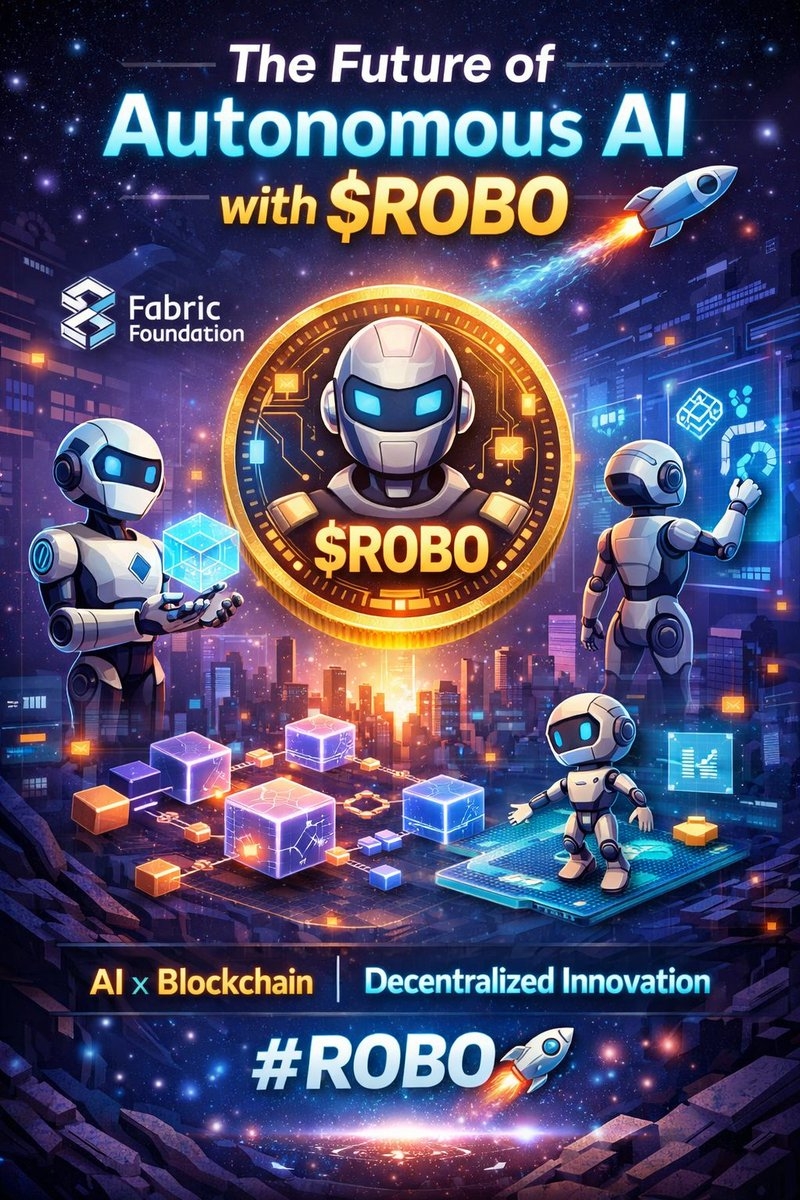
Fabric Protocol represents a transformative step toward a future where humans and machines collaborate seamlessly in a decentralized, transparent, and trustworthy environment. At its core, the protocol is a global open network supported by the non-profit Fabric Foundation, designed to enable the construction, governance, and continuous evolution of general-purpose robots. By leveraging verifiable computing and agent-native infrastructure, Fabric Protocol creates a foundation where robotics development is no longer siloed or controlled by a handful of entities, but instead becomes a collaborative and open process.
One of the most compelling aspects of Fabric Protocol is its emphasis on decentralization. Traditional robotics development often relies on centralized organizations that control data, updates, and system behavior. This can limit innovation, reduce transparency, and create trust issues. Fabric Protocol addresses these challenges by introducing a public ledger that coordinates data, computation, and regulatory processes. This ledger ensures that all actions taken by robotic systems are verifiable, traceable, and governed by shared rules rather than opaque decision-making structures.
The integration of verifiable computing is another cornerstone of the Fabric Protocol. In a world where autonomous systems are becoming increasingly sophisticated, ensuring that computations are correct and trustworthy is critical. Verifiable computing allows participants in the network to confirm that robotic actions and decisions are executed as intended without needing to trust a central authority. This capability not only enhances security but also builds confidence among users, developers, and regulators who interact with the system.
Fabric Protocol also introduces the concept of agent-native infrastructure. This means that robots and autonomous agents are treated as first-class participants within the network, capable of interacting, learning, and evolving in a structured environment. Unlike traditional systems where robots are passive tools, Fabric Protocol enables them to actively contribute to and benefit from the ecosystem. They can share data, improve algorithms collaboratively, and even participate in governance mechanisms that shape the future of the network.
Another critical component of the protocol is its modular infrastructure. By designing the system in a modular way, Fabric Protocol allows developers to build, integrate, and upgrade components without disrupting the entire network. This flexibility accelerates innovation and ensures that the system can adapt to new technological advancements and use cases. Developers can experiment with new robotic capabilities, data models, and governance structures while maintaining compatibility with the broader ecosystem.
The governance model within Fabric Protocol is equally important. As robots become more autonomous and integrated into everyday life, questions around regulation, ethics, and accountability become increasingly complex. Fabric Protocol addresses this by embedding governance directly into its architecture. Stakeholders, including developers, users, and organizations, can participate in decision-making processes that define how the network operates. This collaborative governance model ensures that the system evolves in a way that reflects the needs and values of its community.
Safety and human-machine collaboration are at the heart of Fabric Protocol’s mission. By combining transparent data coordination with verifiable computation, the protocol creates an environment where humans can trust robotic systems to act responsibly and predictably. This is particularly important in sectors such as healthcare, manufacturing, and logistics, where the stakes are high and the margin for error is minimal. Fabric Protocol’s approach ensures that safety is not an afterthought but a fundamental design principle.
The role of the Fabric Foundation is crucial in maintaining the integrity and direction of the protocol. As a non-profit organization, the foundation focuses on supporting the network’s growth, fostering collaboration, and ensuring that the protocol remains aligned with its core values of openness, transparency, and inclusivity. By removing profit-driven incentives from the governance layer, the foundation helps create a more balanced and community-driven ecosystem.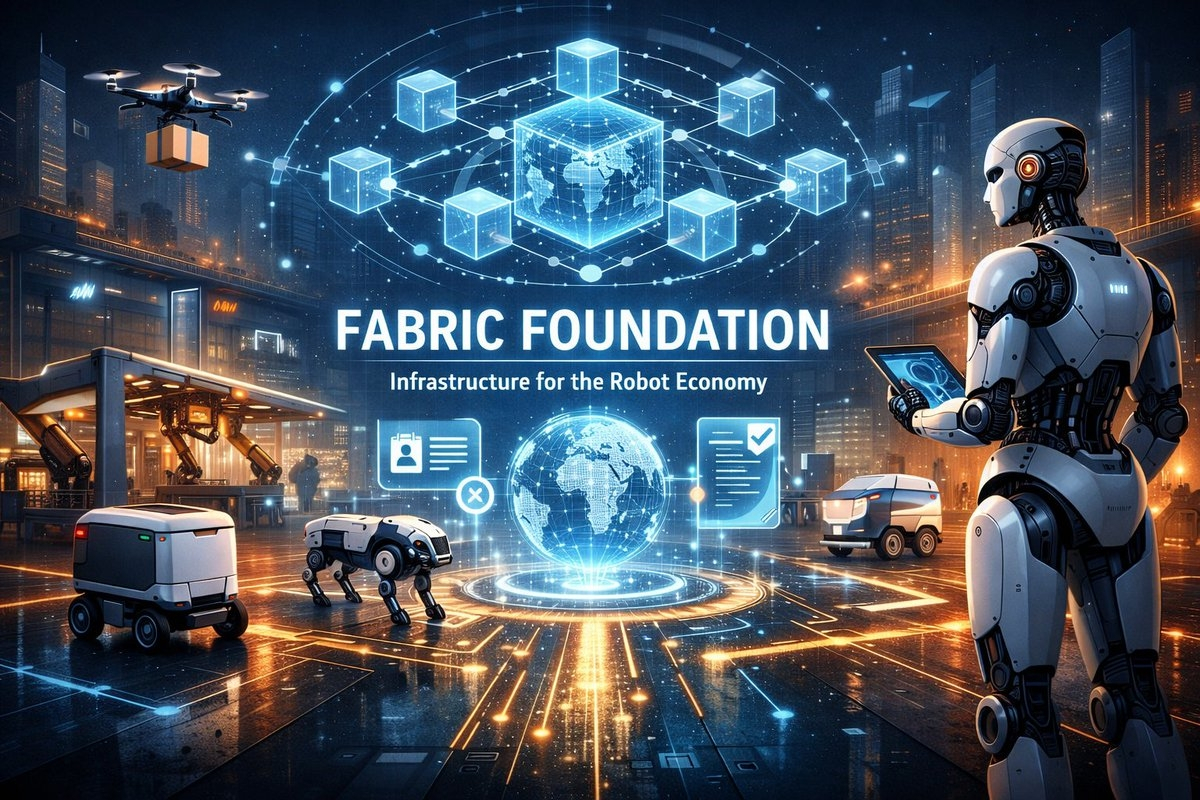
Fabric Protocol also opens up new economic opportunities. By enabling decentralized coordination of data and computation, the network allows participants to contribute resources and be rewarded for their efforts. Developers can monetize their innovations, data providers can earn from sharing valuable datasets, and operators of robotic systems can benefit from participating in a global network. This creates a dynamic and sustainable economic model that encourages continuous growth and participation.
In addition to economic incentives, the protocol fosters innovation through collaboration. By providing a shared infrastructure, Fabric Protocol enables researchers, developers, and organizations from around the world to work together on complex challenges. This collaborative approach accelerates the development of advanced robotic systems and ensures that knowledge and progress are distributed more evenly across the ecosystem.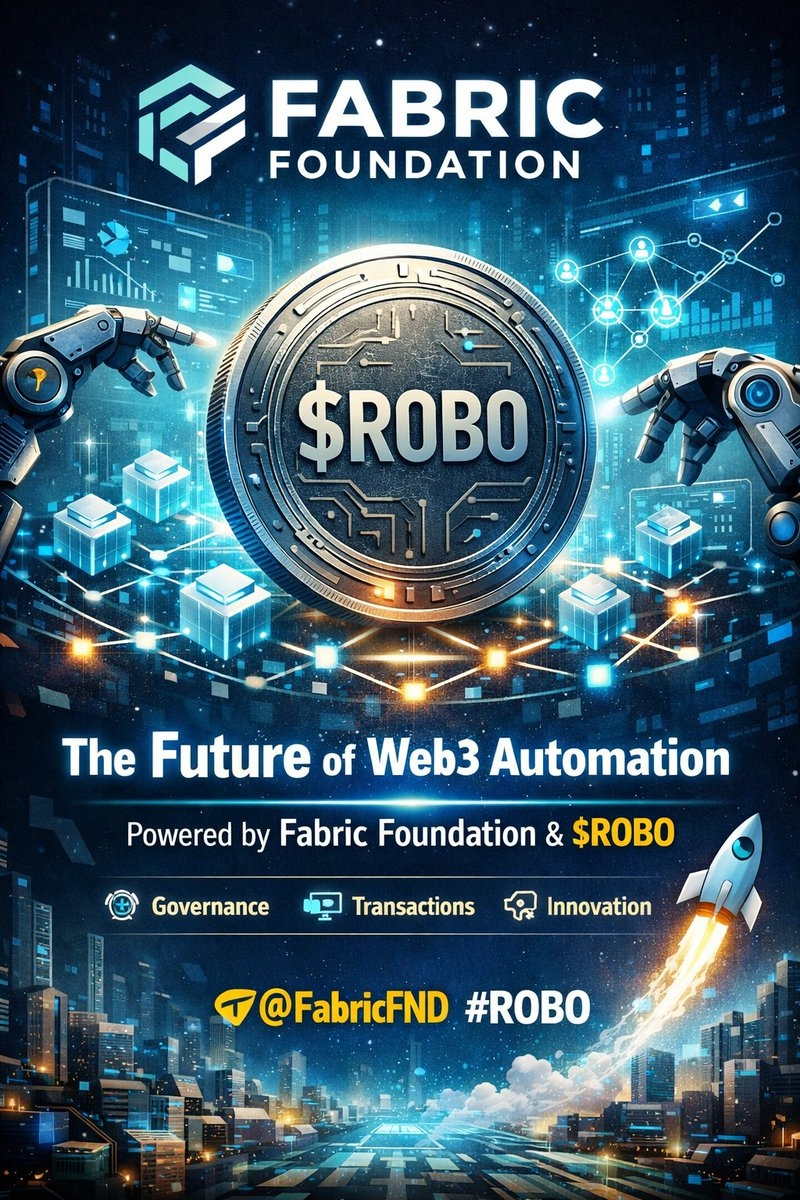
Looking ahead, Fabric Protocol has the potential to redefine how we interact with technology. As robotics and artificial intelligence continue to advance, the need for transparent, secure, and collaborative systems will only grow. Fabric Protocol addresses these needs by creating a framework where innovation can thrive without compromising trust or safety. It lays the groundwork for a future where humans and machines coexist in a harmonious and mutually beneficial relationship.
In conclusion, Fabric Protocol is more than just a technological innovation; it is a vision for a new paradigm in robotics and decentralized systems. By combining verifiable computing, agent-native infrastructure, and a public ledger with modular design and collaborative governance, the protocol creates a robust and adaptable ecosystem. Supported by the Fabric Foundation, it represents a significant step toward a more open, transparent, and inclusive future for robotics and human-machine collaboration.#night $NIGHT @Night_