
I don’t think a system like this begins with ambition. I think it begins with friction that keeps repeating until someone decides to stop ignoring it.
After enough cycles, I stopped being impressed by new architectures or technical claims. I started paying attention to patterns that don’t change. The same inefficiencies show up again and again, even as the technology evolves. Capital gets misused, traders are pushed into bad timing, and protocols quietly reward behavior that weakens them over time. Most of this isn’t obvious at first glance. It hides behind activity, volume, and short-term success.
The Blockchain idea of using zero-knowledge proofs to reshape how a blockchain operates feels less like a leap forward to me and more like a correction to something that went too far.
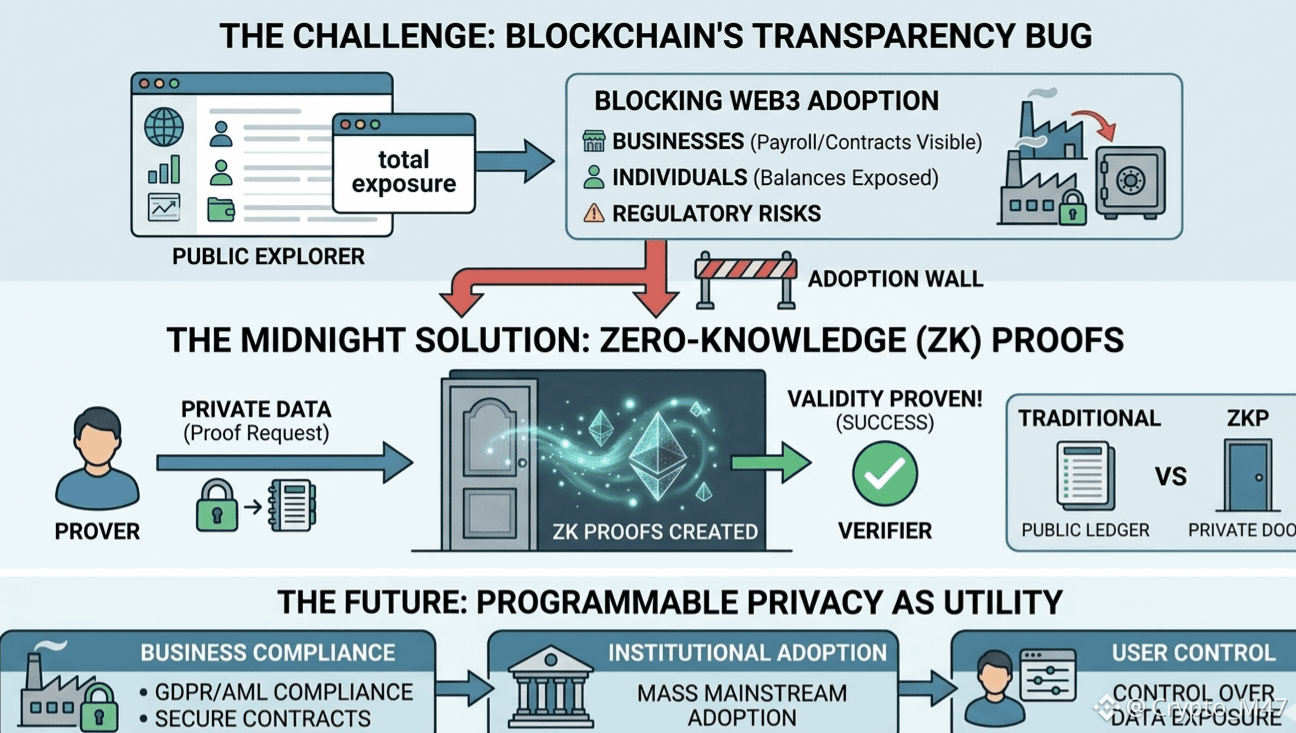
Transparency was supposed to be the foundation of trust in decentralized systems. And in many ways, it still is. But I’ve seen how full visibility changes incentives. When every action is exposed, markets don’t just reflect decisions—they start influencing them in real time. Participants adjust not only based on their own analysis, but based on how they think others will react to their positions.
I’ve watched this play out in ways that are hard to quantify but easy to feel. A position that should have been held gets closed early because it becomes too visible. Liquidity gets pulled not because the fundamentals changed, but because exposure increases perceived risk. Traders don’t just think about outcomes—they think about being seen.
That constant visibility creates a kind of pressure that doesn’t exist in traditional systems to the same degree. It forces decisions into shorter timeframes. It rewards speed over patience. And over time, it shapes a market where long-term thinking becomes harder to maintain.
This is where I start to see the purpose behind a zero-knowledge-based approach.
The ability to verify actions without revealing the underlying data introduces a different kind of environment. It doesn’t remove transparency completely, but it changes what is visible and when. That shift matters more than it might seem at first.
When intent is no longer immediately exposed, I notice that behavior begins to change. There’s less urgency to react to every small movement. There’s more room to hold a position based on conviction rather than fear of being targeted or anticipated. It doesn’t eliminate risk, but it redistributes it in a way that feels more balanced.
Still, I don’t see this as a perfect fix.
One of the deeper problems I’ve seen across DeFi is the way capital is allocated. Many systems look efficient on paper, but they depend on a level of rational behavior that doesn’t hold up in practice. People don’t act logically when markets move against them. They exit too late, or too early. They overcommit when things feel safe and withdraw when stability is actually needed.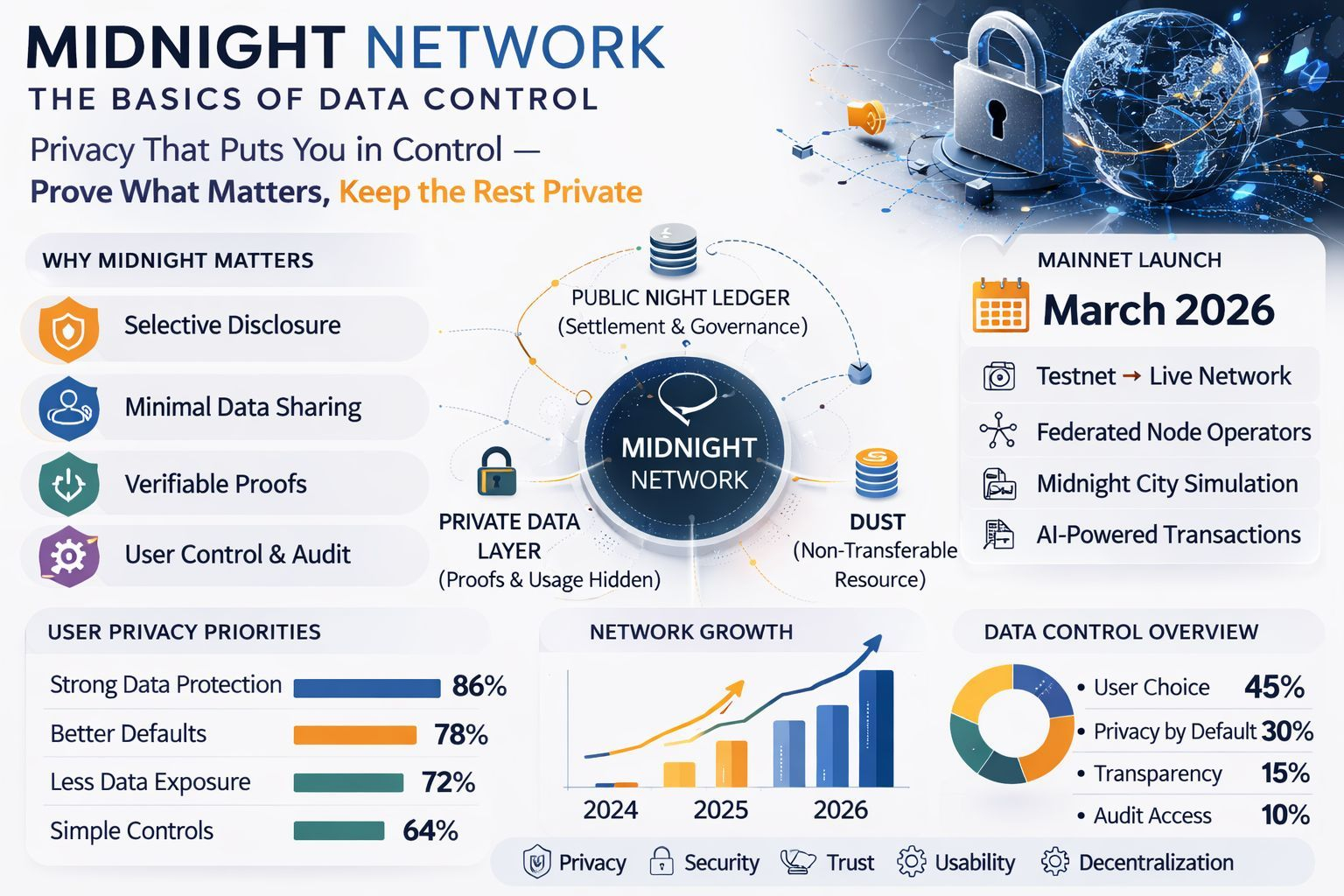
A more private execution layer can reduce some external pressures, but it doesn’t solve the internal ones. Fear, greed, and uncertainty don’t disappear just because data is hidden. If anything, they can become harder to detect from the outside, which introduces a different kind of risk.
This is where design starts to matter more than technology.
I’ve seen governance systems fail not because participants didn’t have enough information, but because they were incentivized to think short-term. Voting becomes a tool for protecting current positions rather than strengthening the protocol. Proposals that look strong in theory often break under real conditions because they assume users will act in ways that align with long-term goals.
Privacy doesn’t fix that. It can reduce signaling and manipulation to some extent, but it doesn’t change human nature. A system like this still needs to build around realistic behavior, not ideal scenarios.
There’s also a quieter issue that I think doesn’t get enough attention: how risk accumulates over time.
In transparent systems, risk can sometimes be identified early because everything is visible. In a more private system, that visibility is reduced by design. While that protects individual participants, it also means that systemic risks might grow without being immediately obvious.
I don’t see that as a flaw, but I do see it as a trade-off. Every improvement in one area creates new considerations in another. The question is whether those trade-offs lead to a more stable system overall.
From what I’ve observed, the answer depends less on the technology itself and more on how it’s applied.
If zero-knowledge proofs are used simply as a feature—something to attract attention or differentiate a protocol—then the impact will likely be limited. But if they are integrated into the core design in a way that acknowledges real market behavior, then they can start to change outcomes in more meaningful ways.
I’ve come to believe that the most important measure of a system isn’t how it performs under ideal conditions, but how it behaves under stress. That’s where most protocols reveal their weaknesses. Liquidity disappears, incentives break down, and participants act in ways that weren’t anticipated.
A system that reduces unnecessary pressure during those moments has an advantage that doesn’t show up in early metrics.
I don’t expect something like this to create immediate shifts. I’m not looking for a sudden change in how markets operate. What I pay attention to are smaller signals over longer periods. Do positions last longer? Do participants seem less reactive? Does the system hold together more consistently when conditions become unstable?
Those are the kinds of changes that matter to me.
Because in the end, I’ve learned that most losses in this space don’t come from a lack of opportunity. They come from structural weaknesses that push people into bad decisions. Sometimes those weaknesses are obvious. More often, they are built into the environment itself.
A protocol that recognizes this and tries to adjust the environment, even slightly, is moving in a direction that I respect.
I don’t see it as a solution to everything. I see it as an attempt to correct a specific imbalance—one that has been present for a long time but rarely addressed directly.
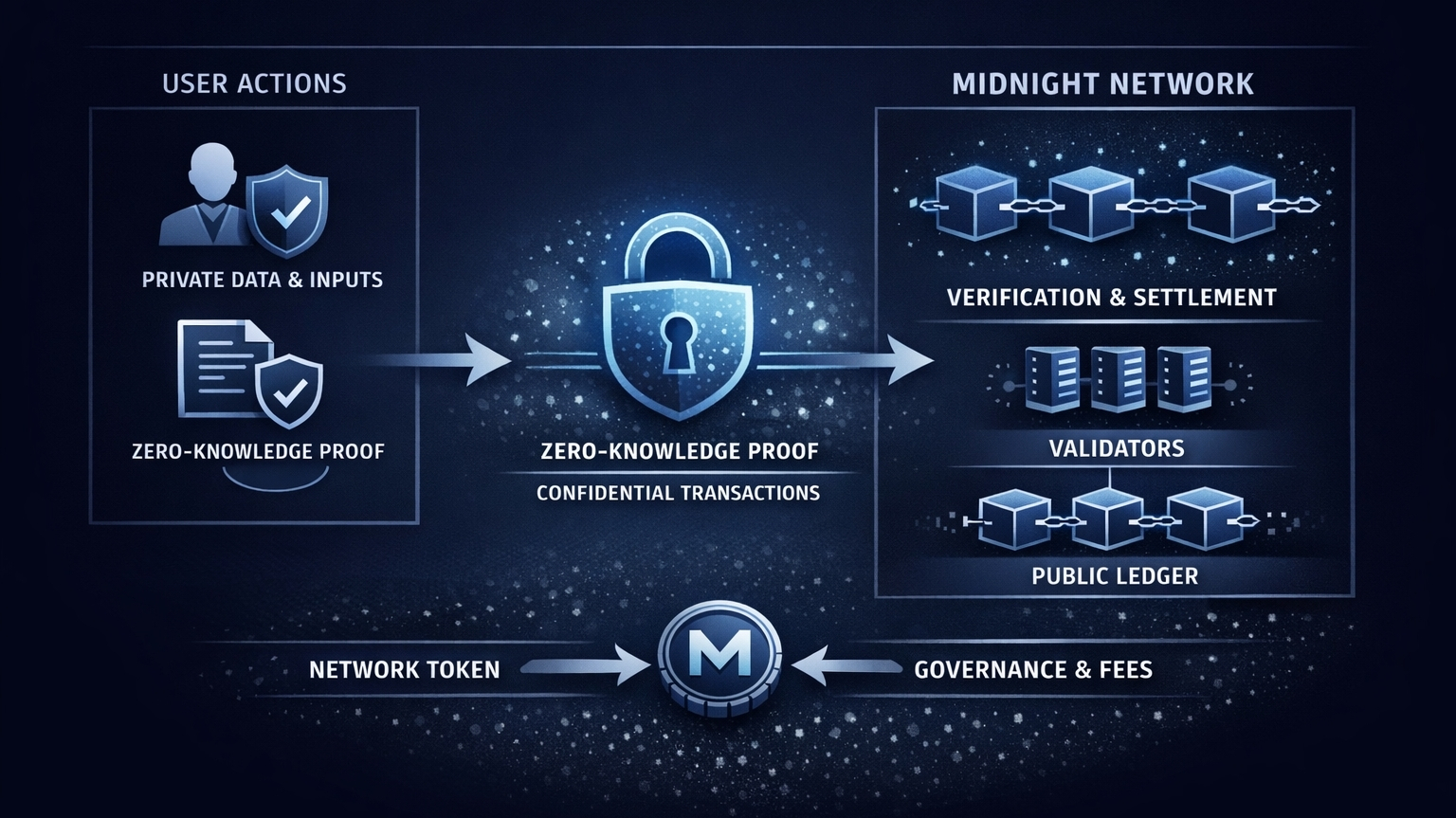
@MidnightNetwork #night $NIGHT
